7 Proven Solar Marketing Strategies for Summer 2026 Growth
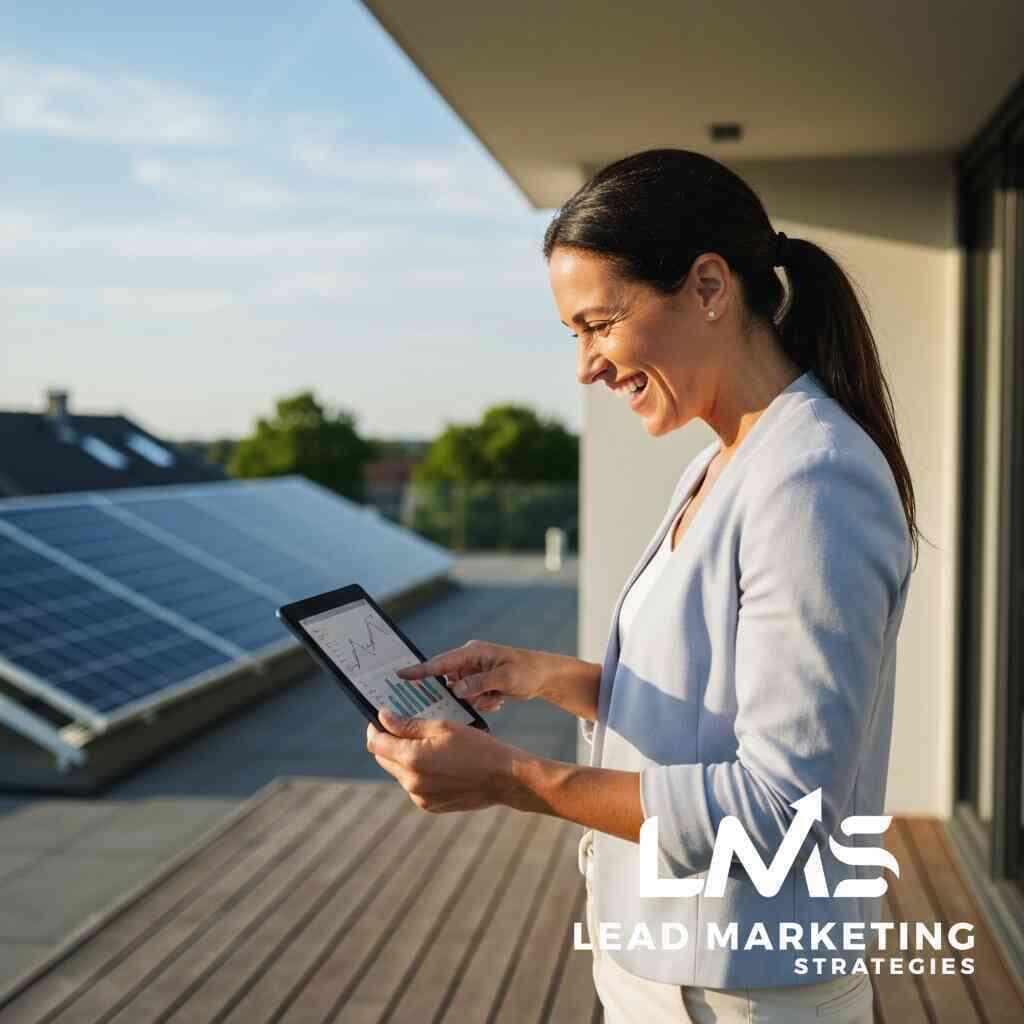
As the peak summer season arrives in 2026, solar installers face a critical window to maximize their annual revenue. Homeowners are currently feeling the immediate impact of high energy bills caused by rising temperatures, creating a surge in demand for renewable energy solutions. To convert this seasonal interest into signed contracts, businesses must move beyond generic advertising and adopt data-driven marketing strategies that prioritize precision, local authority, and high-intent customer engagement.
1. Mastering Local Search Optimization
Local search is the foundation of any successful residential solar business. When electricity usage spikes, homeowners head to search engines to find local help. If your business is missing from the top map results, you are effectively invisible to the most qualified buyers. A robust strategy involves technical SEO precision combined with localized content that keeps your brand visible during periods of peak demand.
2. Capitalizing on High Commercial Intent
Homeowners searching for solar solutions today demonstrate a clear commercial intent. Unlike passive browsers, these individuals are actively seeking reputable contractors to solve their energy cost problems. By aligning your digital presence with this intent, you can move away from aggressive cold calling and instead focus on meeting customers exactly when they are ready to discuss a site assessment. This approach significantly improves conversion efficiency.
3. Enhancing Your Google Business Profile
Your Google Business Profile functions as the digital front door for your installation company. In 2026, maintaining this profile is essential. Accuracy is the first step, but engagement is what drives growth. Consistently updating your profile with photos of recent projects, responding promptly to reviews, and providing educational updates demonstrates professionalism. These actions build the trust necessary for a homeowner to choose you over a competitor.
4. Creating Location-Specific Authority
General website content rarely captures the unique needs of every service area. It is highly effective to develop dedicated pages for each city or region you serve. These pages should address local utility rates, solar incentives, and regional sunshine availability. By crafting content that speaks to the specific concerns of a neighborhood, you signal to search engines that your business is the primary authority for that area, which helps secure long-term local dominance.
5. Refining Targeted PPC Campaigns
Google Ads can either be a significant growth engine or a drain on resources. The key lies in managing your ad spend with strict keyword targeting. Many installers make the mistake of bidding on overly broad terms, which attracts price-shoppers rather than ready-to-buy homeowners. By focusing on high-intent buyer keywords, you ensure that every dollar spent serves to generate a qualified appointment for your sales team.
6. Avoiding Common Advertising Pitfalls
Successful solar advertising requires a disciplined approach to negative keywords. You should actively exclude terms related to DIY projects, research, or academic queries to prevent paying for irrelevant clicks. Furthermore, the experience a user has on your landing page must be perfectly aligned with the promise of the advertisement. If your landing page does not directly address the pain points mentioned in your ad, bounce rates will increase, and lead quality will drop.
7. Managing Leads in Competitive Markets
In highly competitive regions, the cost per lead can increase rapidly if not monitored. Strategy should involve regular analysis of conversion data to identify which ad sets are producing the highest quality leads. By refining your geo-targeting and cutting underperforming ad creatives, you protect your margins while scaling your outreach efforts. This data-backed management ensures that your budget remains focused on your most profitable installation zones.
Focusing on Long-Term Results
Effective marketing in the solar industry is rarely about quick fixes. It is about establishing a consistent, authoritative presence that makes your brand the obvious choice during the summer months and beyond. By focusing on local search intent, maintaining a polished professional profile, and managing your advertising budgets with surgical precision, you can bridge the gap between initial interest and a completed solar installation. As 2026 continues, prioritizing these core tactics will allow your business to thrive in a crowded market, ultimately leading to more sustainable growth and a stronger bottom line.
Top 7 Solar Marketing Strategies for Summer Sales Success


Comments
Post a Comment