Web 3.0 NFT Marketing Explained: Strategies to Win in 2026
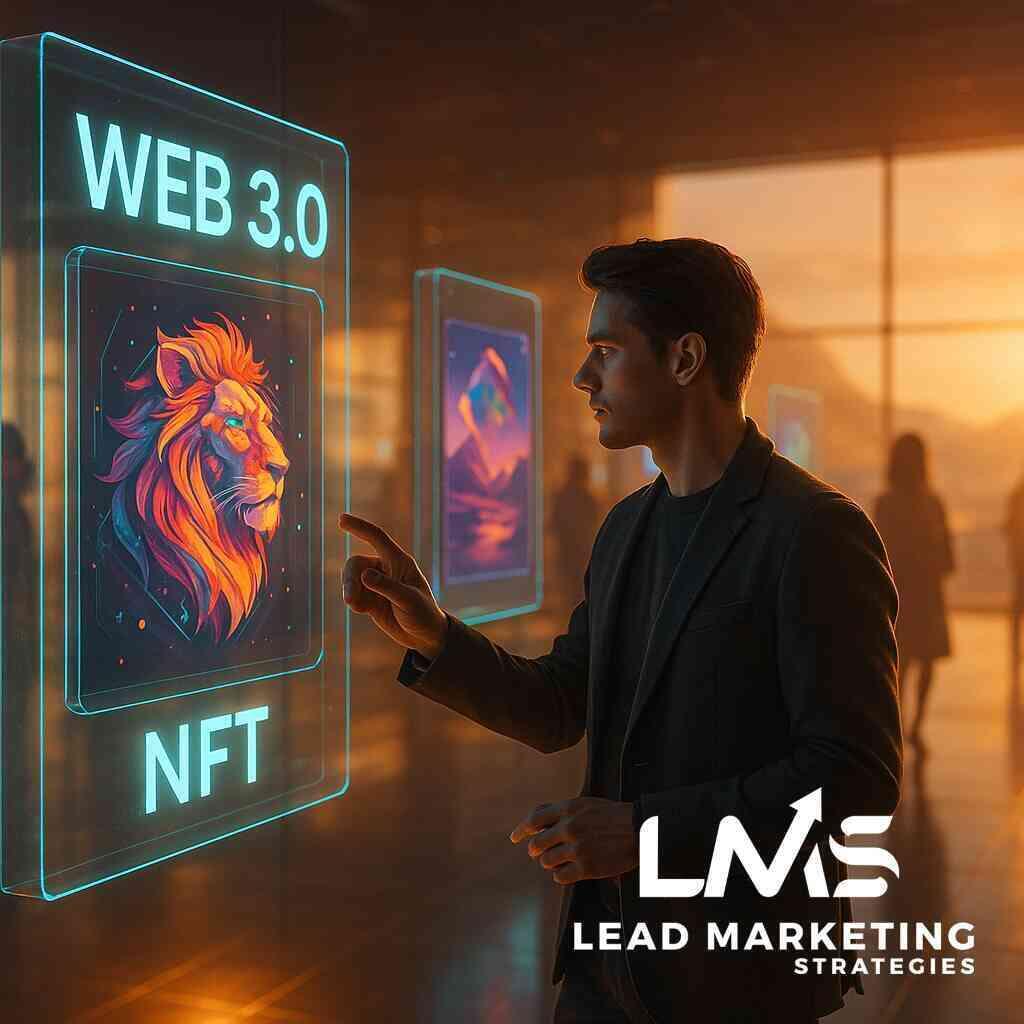
Web 3.0 NFT Marketing Explained: Strategies to Win in 2026
Web 3.0 NFT marketing represents a fundamental shift in how digital projects reach audiences, build trust, and generate lasting value. If you are working in the NFT space in 2026, understanding this shift is no longer optional — it is essential.
From Web 2.0 to Web 3.0: Why It Matters for NFT Marketing
Web 2.0 gave us social media, user-generated content, and interactive platforms. Web 3.0 takes the next step by introducing decentralization — a model where users have greater control over their own data, identity, and digital assets.
Blockchain technology powers this shift. For NFT marketers, that means working within a system that is transparent, verifiable, and resistant to manipulation. Traditional marketing relied on centralized platforms that acted as gatekeepers. Web 3.0 removes many of those gatekeepers, creating new opportunities to connect directly with audiences.
This is not just a technical upgrade. It fundamentally changes who holds power in the marketing relationship.
Decentralized Marketing: What It Looks Like in Practice
Decentralized marketing prioritizes peer-to-peer connections over broadcast-style advertising. Instead of pushing messages outward from a brand, it pulls communities inward through shared ownership and participation.
For NFT projects, this can look like:
- Token-gated communities where holders access exclusive content or experiences
- DAO-style governance that gives supporters a voice in project decisions
- On-chain proof of engagement that rewards loyal participants
- Transparent roadmaps anchored to verifiable blockchain records
Each of these approaches builds credibility because the system itself enforces accountability. Promises made on-chain are harder to walk back than those made in a press release.
Blockchain's Role in NFT Trust and Credibility
Blockchain is not just infrastructure — it is a trust mechanism. Every NFT transaction, ownership transfer, and provenance record is publicly visible and immutable. This transparency is a powerful marketing tool.
When a collector knows exactly where an NFT came from, who created it, and how many exist, they can make informed decisions. That confidence drives purchasing behavior. Marketers who lean into blockchain transparency rather than treating it as a technical footnote will find it significantly easier to build loyal buyer bases.
In 2026, authenticity is a competitive advantage. Blockchain makes authenticity verifiable.
Key NFT Marketing Strategies for 2026
Influencer Partnerships That Add Real Value
NFT influencer marketing works best when the partnership feels genuine. Audiences in the Web 3.0 space are highly skeptical of paid promotions that lack substance. The most effective collaborations involve creators who actually use and believe in the projects they promote.
When selecting influencers, look beyond follower counts. Engagement quality, niche alignment, and community trust matter more. A smaller influencer with a deeply engaged Web 3.0 audience can outperform a mainstream figure with millions of passive followers.
Community Building as a Core Strategy
In NFT marketing, the community is often the product. A vibrant, engaged community amplifies reach organically, defends the project during market downturns, and attracts new buyers through word of mouth.
Practical community-building tactics include:
- Regular AMA (Ask Me Anything) sessions with the founding team
- Exclusive early access to new drops for long-term holders
- Community-voted decisions on creative direction or utility features
- Consistent communication across Discord, Telegram, and similar platforms
The goal is to make community members feel like stakeholders, not just customers.
Using NFT Analytics to Guide Decisions
Data-driven marketing is just as important in Web 3.0 as it is anywhere else. NFT analytics tools can reveal which audiences are engaging, which platforms are driving traffic, and how market conditions are affecting demand.
Tracking these metrics consistently allows marketing teams to adjust campaigns in near real time. Projects that ignore analytics often repeat the same messaging strategies even when the data suggests a pivot is needed.
Brand Storytelling That Resonates
A well-crafted narrative sets an NFT project apart. Buyers are not just purchasing a digital asset — they are buying into a story, a vision, or a community identity.
Effective NFT brand storytelling focuses on:
- The creative origin of the project
- The values and mission behind the work
- The long-term roadmap and what it means for holders
- The human voices behind the brand
Storytelling should be consistent across all channels and reinforce the project's unique identity.
Final Thoughts
Web 3.0 NFT marketing in 2026 rewards transparency, community investment, and strategic authenticity. Projects that combine blockchain's inherent trust mechanisms with thoughtful influencer strategies, strong community engagement, and data-informed decisions are best positioned to grow.
The landscape is competitive, but the tools available to NFT marketers today are more powerful than ever. Understanding how to use them — and why they work — is the foundation of any winning approach.
What Is Web 3.0 NFT Marketing and How to Win in 2026


Comments
Post a Comment