Virtual Tour Marketing for Real Estate: 7 Smart Tips
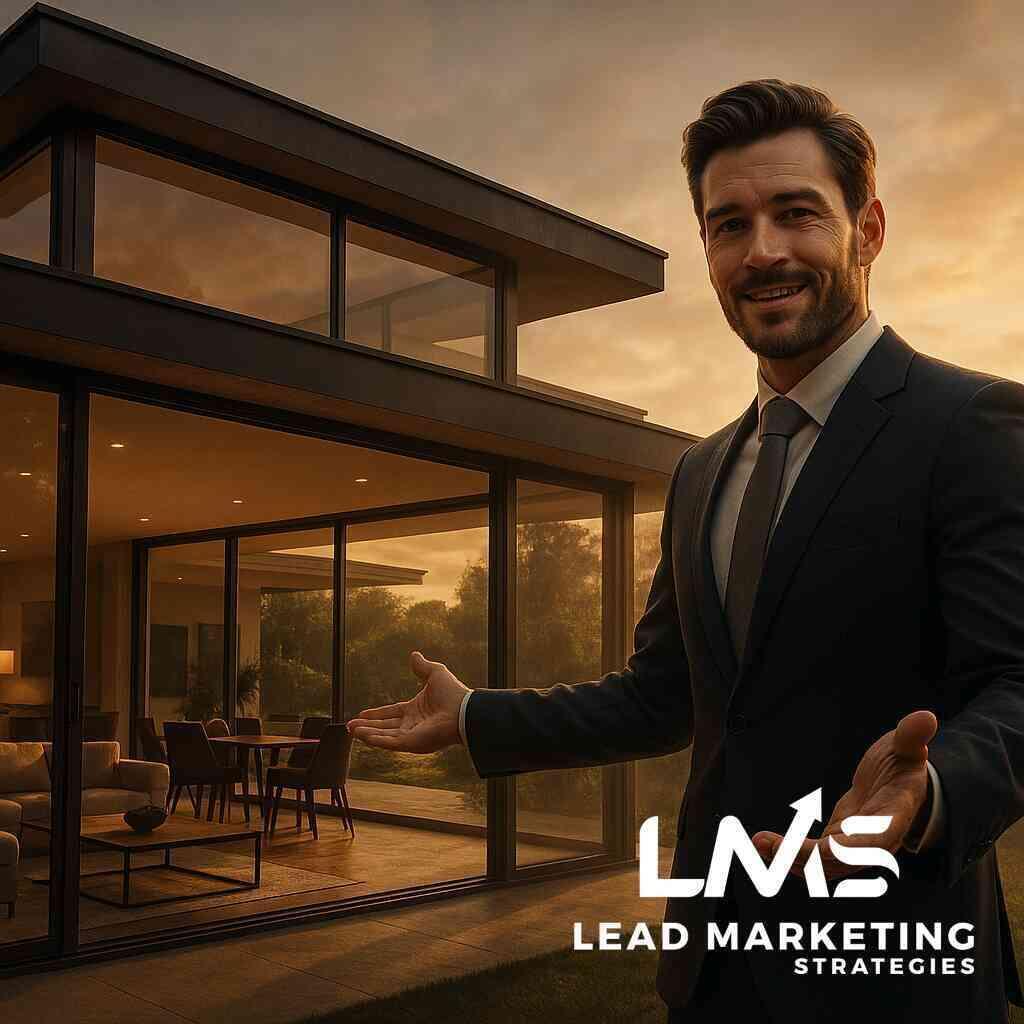
Virtual Tour Marketing for Real Estate: 7 Smart Strategies That Work
Real estate virtual tours have moved from a novelty to a necessity. As the spring 2026 buying season gains momentum, agents and marketers who lean into immersive digital property experiences are seeing measurable advantages over those still relying on static photos alone.
This overview breaks down seven practical strategies to sharpen your virtual tour marketing approach right now.
1. Build Genuinely Immersive Property Experiences
A virtual tour should feel like a visit, not a slideshow. High-definition video combined with 3D modeling gives buyers the freedom to explore a property at their own pace. When done well, this kind of experience builds an emotional connection that flat images simply cannot replicate.
Focus on smooth navigation, clear room transitions, and accurate spatial representation. Buyers who feel comfortable exploring a home virtually are far more likely to take the next step.
2. Use 3D Home Walkthroughs to Add Depth
3D walkthroughs go beyond standard photography by giving buyers a realistic sense of scale and layout. Seeing how rooms connect, how light moves through a space, and how large a kitchen or living area actually feels — these are details that matter during the decision-making process.
Properties listed with quality 3D walkthroughs tend to attract more serious inquiries, which means less time wasted for everyone involved.
3. Incorporate Interactive Elements
Static virtual tours are a starting point, but interactive tours elevate the experience significantly. Consider adding:
- Clickable floor plans that let buyers jump between rooms
- Embedded video segments highlighting key features
- Hotspots with details about finishes, appliances, or upgrades
- Virtual reality compatibility for buyers with VR headsets
These elements encourage buyers to spend more time exploring a listing, which directly supports stronger engagement and lead quality.
4. Leverage Virtual Reality for High-End Presentations
Virtual reality is no longer reserved for luxury listings alone. As VR hardware becomes more accessible, more buyers expect this option. A well-produced VR home presentation allows someone to feel genuinely present in a space without physically being there.
For agents handling relocation clients or out-of-state buyers, VR presentations can be the deciding factor in moving a deal forward. The technology also signals professionalism and forward-thinking service.
5. Optimize Virtual Tours for Mobile Viewing
A large share of property searches now happen on smartphones and tablets. If your virtual tour loads slowly, displays poorly on smaller screens, or requires a desktop to function properly, you are losing potential buyers before they even get started.
Prioritize mobile-first design when selecting your virtual tour platform. Test across multiple devices before publishing. Fast load times and intuitive touch controls are non-negotiable in 2026.
6. Promote Virtual Tours Across Social Media Channels
Creating an excellent virtual tour is only half the work. Distributing it effectively is just as important. Social platforms offer strong reach for property content, especially short video clips pulled from a full virtual tour.
Practical promotion tactics include:
- Sharing teaser clips on social feeds to drive traffic to the full tour
- Using platform-specific formats (vertical video, carousel posts) for better engagement
- Running targeted paid promotion to reach buyers in specific geographic areas or demographics
- Embedding tours in email campaigns to past leads or interested prospects
Consistent social distribution keeps listings visible and generates ongoing interest throughout the selling window.
7. Pair Virtual Tours with Strong Listing Copy and SEO
A virtual tour paired with well-written listing content performs far better in search results than a tour alone. Descriptive, keyword-aware copy helps search engines understand what the property offers and who it is suited for.
Make sure each listing page includes:
- A clear, descriptive headline
- Accurate and detailed property descriptions
- Alt text for images
- A properly embedded tour with a fast-loading player
This combination improves both organic search visibility and the overall user experience, giving listings a competitive edge.
Why Spring 2026 Is the Right Time to Act
Buyer activity traditionally spikes in spring, and this year is no different. More buyers are entering the market with higher digital expectations than ever before. They want convenience, detail, and the ability to narrow their choices before scheduling an in-person visit.
Virtual tours meet all of those expectations. Real estate professionals who invest in quality virtual tour marketing this season are better positioned to attract motivated buyers, reduce time on market, and stand out in a crowded listing environment.
The tools are available. The audience is ready. The strategies outlined here provide a clear path forward for any real estate marketer looking to make the most of the spring buying season.
Top 7 Real Estate Virtual Tour Marketing Tips for Spring 2026


Comments
Post a Comment