Top Email Marketing Tactics to Grow Your Lawn Service in 2026
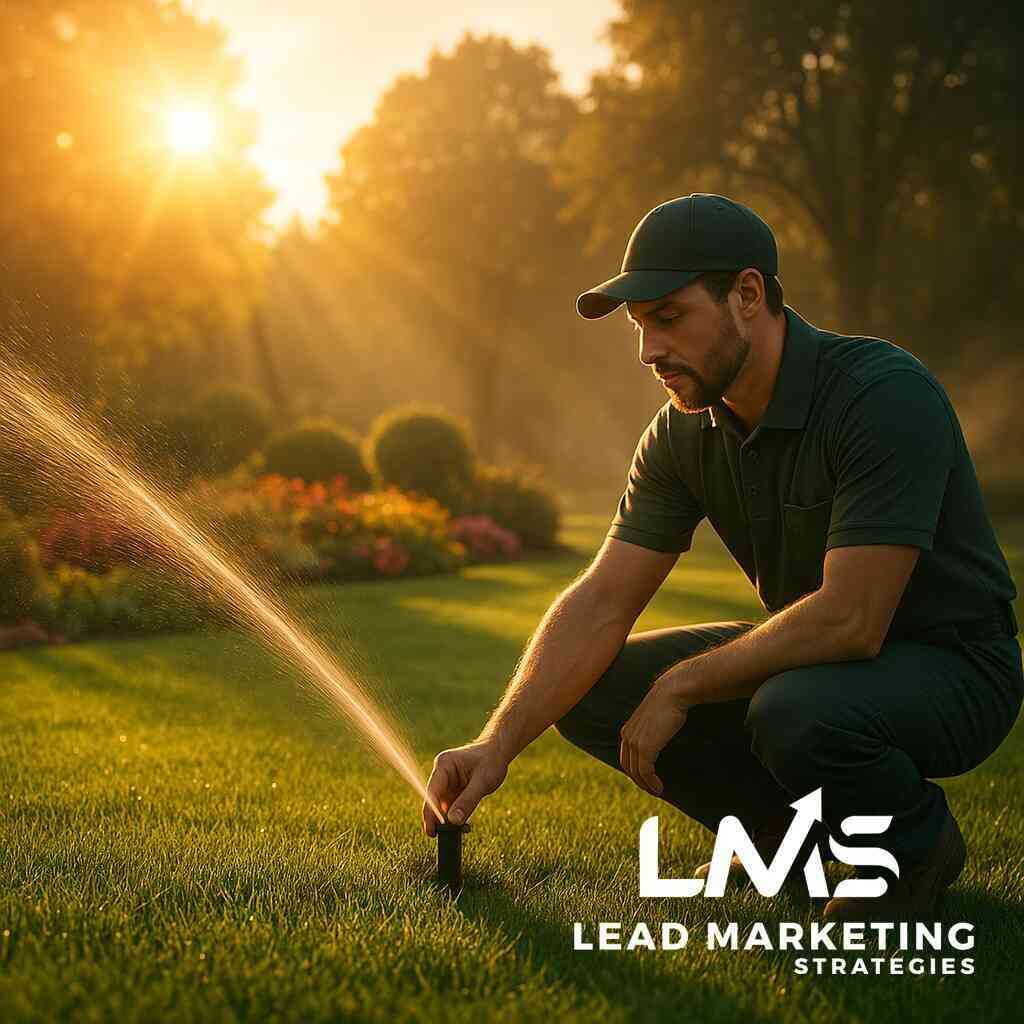
Top Email Marketing Tactics to Grow Your Lawn Service in 2026
Email marketing remains one of the most direct and cost-effective ways for lawn service businesses to attract new clients and retain existing ones. This overview breaks down five practical tactics that are driving real growth for landscaping companies right now.
Why Email Marketing Matters for Lawn Care Businesses
The lawn care industry is competitive. Customers have plenty of choices, and staying top of mind is a constant challenge. Email gives you a direct line into a potential or existing client's inbox — without relying on social media algorithms or paid ads.
When done well, email builds trust over time. It educates clients, reminds them of seasonal needs, and keeps your business visible between service visits. That consistency is what turns one-time customers into long-term relationships.
Tactic 1: Segment Your Email List by Client Type
Not every subscriber has the same needs. A homeowner with a small backyard has different priorities than a property manager overseeing a commercial complex.
Segmenting your list allows you to send more relevant messages to each group. Common segments for lawn service businesses include:
- Residential clients — focus on tips for home lawn care, seasonal prep, and recurring maintenance plans
- Commercial clients — highlight reliability, professionalism, and capacity for large-scale upkeep
- New leads — send introductory content that builds awareness and establishes credibility
- Lapsed customers — re-engagement messages with a friendly reminder of your services
Relevant emails get opened. Generic ones get ignored. Segmentation is the foundation of effective lawn care email marketing.
Tactic 2: Personalize Beyond the First Name
True personalization goes deeper than greeting someone by name. It means delivering content that reflects their specific situation, preferences, or past behavior.
For a lawn service, that might look like:
- Sending spring lawn prep tips to clients in colder climates before the season changes
- Referencing the specific service a client used last season
- Offering a follow-up tip sheet after a recent treatment
This level of personalization signals that your business pays attention. It builds a sense of trust that generic mass emails simply cannot replicate.
Tactic 3: Write Subject Lines That Actually Get Opened
The subject line is the first thing a recipient sees. If it does not grab attention, nothing else matters.
Effective subject lines for lawn service emails tend to be:
- Specific — "Your Spring Lawn Checklist Is Ready" works better than "Check This Out"
- Timely — referencing the current season or an upcoming event creates urgency
- Benefit-focused — hint at what the reader will gain by opening
A/B testing different subject lines is one of the simplest ways to improve open rates. Try two variations with a small portion of your list, then send the better-performing one to the rest.
Tactic 4: Use Automation to Stay Consistent
Manually sending individual emails is not scalable. Automation allows you to set up sequences that run in the background while you focus on running your business.
Here are some automation workflows that work well for lawn service companies:
- Welcome sequence — a short series of emails that introduces your business to new subscribers
- Seasonal reminders — automated messages timed to the start of each season, prompting clients to schedule services
- Post-service follow-up — a check-in email sent after a job is completed, reinforcing quality and inviting feedback
- Re-engagement campaign — triggered when a subscriber has not opened or clicked in several months
Automation keeps communication consistent without requiring constant manual effort.
Tactic 5: Use Drip Campaigns to Nurture Leads
Not every lead is ready to hire a lawn service immediately. Drip campaigns help move potential clients along at their own pace.
A drip campaign is a series of pre-written emails delivered over a set period. For a lawn care business, a simple drip sequence might look like this:
- Email 1 — introduce your business and what sets you apart
- Email 2 — share a helpful lawn care tip or seasonal guide
- Email 3 — highlight a common problem you solve and how you approach it
- Email 4 — include a client success story or testimonial
- Email 5 — offer a soft prompt to reach out or learn more
This approach builds familiarity and credibility without pressure. By the time a lead is ready to make a decision, your business is already the one they trust.
Measuring What Works
No email strategy improves without tracking performance. Key metrics to watch include:
- Open rate — are your subject lines working?
- Click-through rate — is your content driving action?
- Unsubscribe rate — are you sending too frequently or missing the mark on relevance?
Reviewing these numbers regularly helps identify what is connecting with your audience and what needs adjustment.
Final Thoughts
Email marketing is one of the most reliable growth tools available to lawn service businesses in 2026. The tactics covered here — segmentation, personalization, strong subject lines, automation, and drip campaigns — work together to build a system that attracts, nurtures, and retains clients over time. Starting with even one or two of these approaches can make a measurable difference in how your business grows.
Best 5 Email Marketing Tactics for Lawn Service Growth 2026


Comments
Post a Comment