Spring Solar PPC Strategies That Maximize ROI in 2026
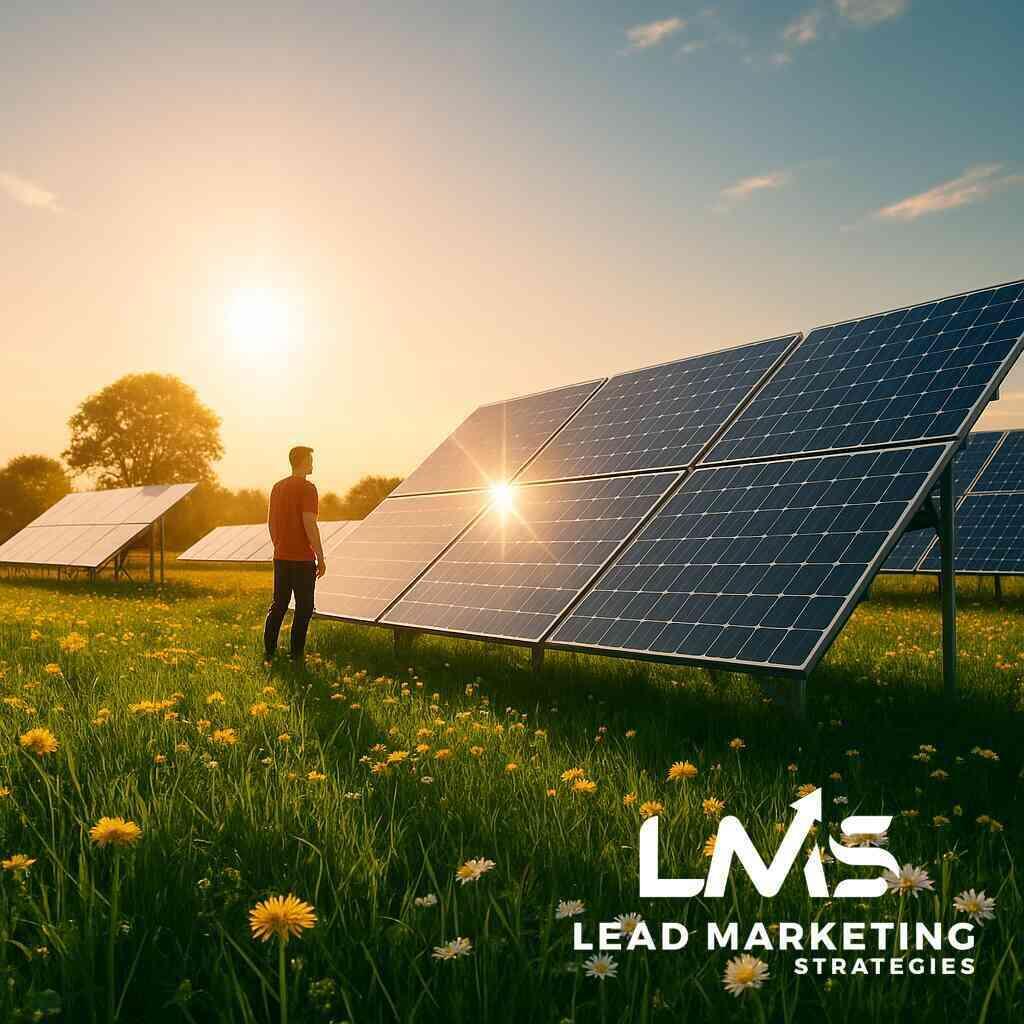
Spring Solar PPC Strategies That Maximize ROI in 2026
Spring 2026 is shaping up to be one of the most competitive seasons for solar PPC advertising, and companies that plan ahead are already seeing stronger returns. This overview breaks down how smart solar marketing strategies can power meaningful ROI gains through well-timed, well-targeted pay-per-click campaigns.
Why Spring Is a Critical Season for Solar PPC
The shift into spring is more than a change in weather. For solar businesses, it represents a genuine surge in consumer interest. Longer daylight hours, lower heating costs, and growing awareness around sustainability all push potential buyers toward researching solar options.
This seasonal pattern creates a window of opportunity. Consumers are actively searching, comparing, and making decisions. A well-structured PPC campaign that launches at the right moment can capture that intent and convert it into leads.
Timing your campaign launch to coincide with early spring — rather than waiting until peak summer — puts your brand in front of buyers before competitors crowd the space.
Building a Solar PPC Campaign That Performs
Start With a Precise Keyword Strategy
Keyword selection is foundational. In solar PPC, it helps to balance high-intent keywords (like "solar panel installation cost") with more specific long-tail phrases that reflect where a buyer is in their decision process.
Regular keyword audits matter here. Search trends shift with the season, and what performed well in January may not carry the same weight in April. Building in time for ongoing research keeps campaigns aligned with how real people are searching right now.
Using negative keywords is equally important. Filtering out irrelevant traffic reduces wasted spend and improves overall campaign efficiency.
Audience Targeting With Precision
Effective solar PPC is not about reaching everyone — it is about reaching the right people. Geo-targeting allows campaigns to focus on regions with strong solar adoption potential, favorable incentive programs, or high electricity costs where solar savings are most compelling.
Demographic and behavioral data can further refine targeting. Homeowners in certain income brackets, individuals researching energy costs, or users who previously visited your site are all valuable segments worth addressing directly.
Retargeting is especially powerful in spring. Someone who visited your site in February but did not convert may be ready to take action now that the season has shifted and motivation is higher.
Optimizing for Conversion, Not Just Clicks
Clicks are only valuable when they lead somewhere useful. Landing page quality plays a major role in whether PPC spend translates into actual leads.
A strong landing page for a solar PPC campaign should:
- Load quickly on mobile devices
- Match the specific message of the ad that brought the visitor there
- Present a single, clear call to action without clutter
- Include trust signals such as certifications, reviews, or project examples
A/B testing different versions of landing pages reveals what resonates with your audience. Small changes — headline wording, image choice, form placement — can have a measurable impact on conversion rates over time.
Continuous Campaign Management and ROI Tracking
One of the biggest mistakes in PPC is setting a campaign and leaving it alone. The solar market moves quickly, and competitor activity, bid prices, and consumer behavior can all shift within a single week.
Regular performance reviews help marketers catch underperforming ad groups, identify high-performing keywords worth scaling, and reallocate budget toward what is working. Bid strategies should be adjusted as the season progresses and data accumulates.
Tracking ROI accurately requires connecting PPC data to downstream outcomes — not just clicks or impressions, but qualified leads, appointments, and closed deals. When that full picture is visible, it becomes much easier to make informed decisions about where to invest.
The Role of Advanced Tools in Modern Solar PPC
AI-assisted audience insights and predictive analytics are no longer reserved for large enterprises. Solar companies of varying sizes can now access tools that help forecast demand, identify high-value segments, and automate bid adjustments.
These tools do not replace strategic thinking, but they do reduce the manual workload and surface patterns that would otherwise take much longer to identify through manual analysis alone.
Key Takeaways for Spring 2026 Solar PPC
- Launch campaigns early in the season to capture intent before competition peaks
- Refine keyword lists regularly based on current search behavior
- Use geo-targeting and demographic data to reach the most relevant audiences
- Prioritize landing page quality and message consistency
- Track performance at every stage, from click through to conversion
- Use available tools to automate where possible and focus human attention on strategy
Spring 2026 offers real momentum for solar businesses willing to invest in thoughtful PPC execution. The companies that treat paid search as an ongoing process — not a one-time setup — are the ones most likely to see their investment pay off as the season builds.
How Solar Marketing Strategies Powers Spring PPC ROI 2026


Comments
Post a Comment