Real Estate Video Marketing Strategies That Sell Homes Faster
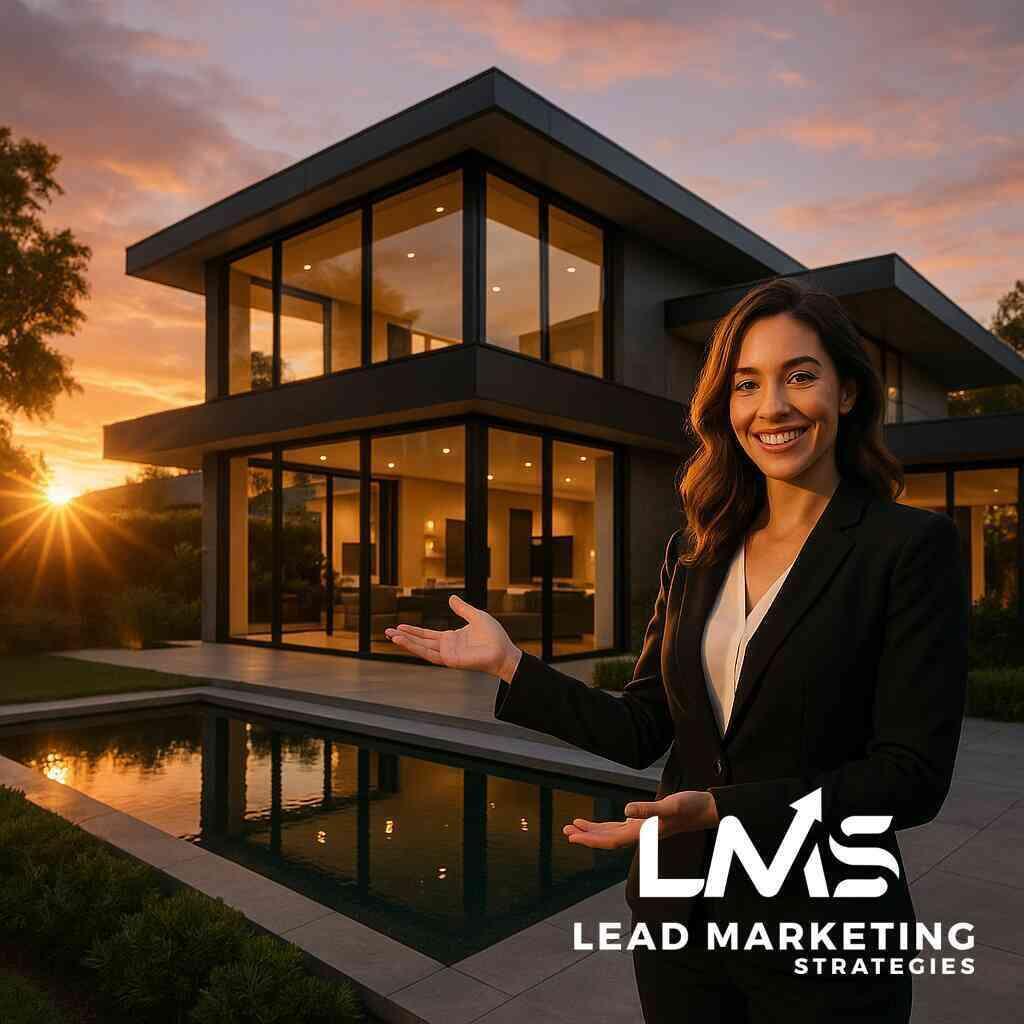
Real Estate Video Marketing Strategies That Sell Homes Faster
Video marketing has become one of the most effective tools in real estate today. If you want to attract serious buyers and move properties faster, understanding how to use video content strategically makes a real difference in 2026.
Why Video Has Become Essential in Real Estate
The days of relying solely on listing photos are behind us. Buyers now expect richer, more immersive experiences before scheduling an in-person visit. High-quality video content bridges the gap between a static listing and a real walkthrough.
Video does something photography cannot — it conveys motion, atmosphere, and scale. A buyer watching a well-produced property tour gets a genuine sense of flow between rooms, natural light throughout the day, and the overall feel of a home. That emotional connection often drives faster decisions.
Realtors who invest in video consistently report stronger engagement on listings and shorter time on market. It is not a trend reserved for luxury properties. Video works across all price points and property types.
Types of Real Estate Video Content Worth Producing
Not all real estate video is the same. Different formats serve different purposes, and the most effective marketing strategies use a mix of them.
Property Walkthrough Videos
These are the foundation of real estate video content. A well-shot walkthrough guides the viewer through the home in a logical, engaging sequence. The goal is to highlight the best features while maintaining a natural, unhurried pace.
Good walkthrough videos rely on:
- Smooth camera movement through each space
- Thoughtful lighting to show rooms at their best
- Clear audio if narration or music is included
- Proper editing to keep the runtime tight and engaging
Cinematic Property Tours
Cinematic tours go further by incorporating techniques from professional filmmaking. Drone footage, time-lapse sequences, and carefully planned transitions elevate the presentation from informative to genuinely compelling.
This format works especially well for properties with strong architectural features, scenic surroundings, or distinctive neighborhoods. The goal is not just to show the home — it is to communicate the lifestyle that comes with it.
Neighborhood and Community Videos
Buyers are not just purchasing a property. They are choosing a place to live. Short videos highlighting nearby parks, schools, dining, and local character help buyers picture their daily life in a neighborhood.
These videos also strengthen search visibility when paired with location-specific content strategies.
Agent Introduction and Market Update Videos
Short, professional videos where an agent speaks directly to the camera build trust and credibility. These do not need to be highly produced — authenticity matters more than polish here. Market update videos that share local insights position agents as knowledgeable resources rather than just salespeople.
Key Production Principles to Follow
You do not need a Hollywood budget to produce effective real estate video. However, certain fundamentals make a significant difference in quality.
Lighting matters most. Natural light is your best asset. Schedule shoots during the golden hour or when a property receives the most daylight. Avoid harsh midday shadows or dim interiors.
Stabilization is non-negotiable. Shaky footage loses viewers quickly. Use a gimbal, tripod, or slider to ensure smooth movement throughout the property.
Audio quality counts. If you are including narration or a voiceover, invest in a quality microphone. Poor audio undermines even the best visuals.
Edit with intention. Keep videos concise. A property tour that runs three to five minutes is generally more effective than a ten-minute walkthrough. Cut anything that does not add value.
Distributing Your Video Content Effectively
Producing great video is only half the equation. Getting it in front of the right audience requires a clear distribution strategy.
- Embed videos directly on listing pages to increase time-on-page and reduce bounce rates.
- Share clips across social platforms where video content consistently outperforms static images in reach and engagement.
- Include video links in email campaigns targeting buyers and prospects in your database.
- Optimize video titles and descriptions with location-specific keywords to improve search visibility.
Video content also supports broader SEO efforts. Search engines favor pages with rich media, and well-tagged video can drive organic traffic to listings over time.
Staying Ahead in 2026
The real estate market continues to evolve, and buyer expectations are rising alongside it. Video marketing is no longer optional for agents who want to compete effectively. The formats and platforms may shift, but the core principle remains constant — buyers respond to content that helps them feel connected to a property before they ever step inside.
Investing in quality video production and a thoughtful distribution strategy is one of the highest-return moves a real estate professional can make this year.
How to Use Real Estate Video Marketing to Sell Homes Faster 2026


Comments
Post a Comment