Proven Landscaping Marketing Strategies to Boost Engagement
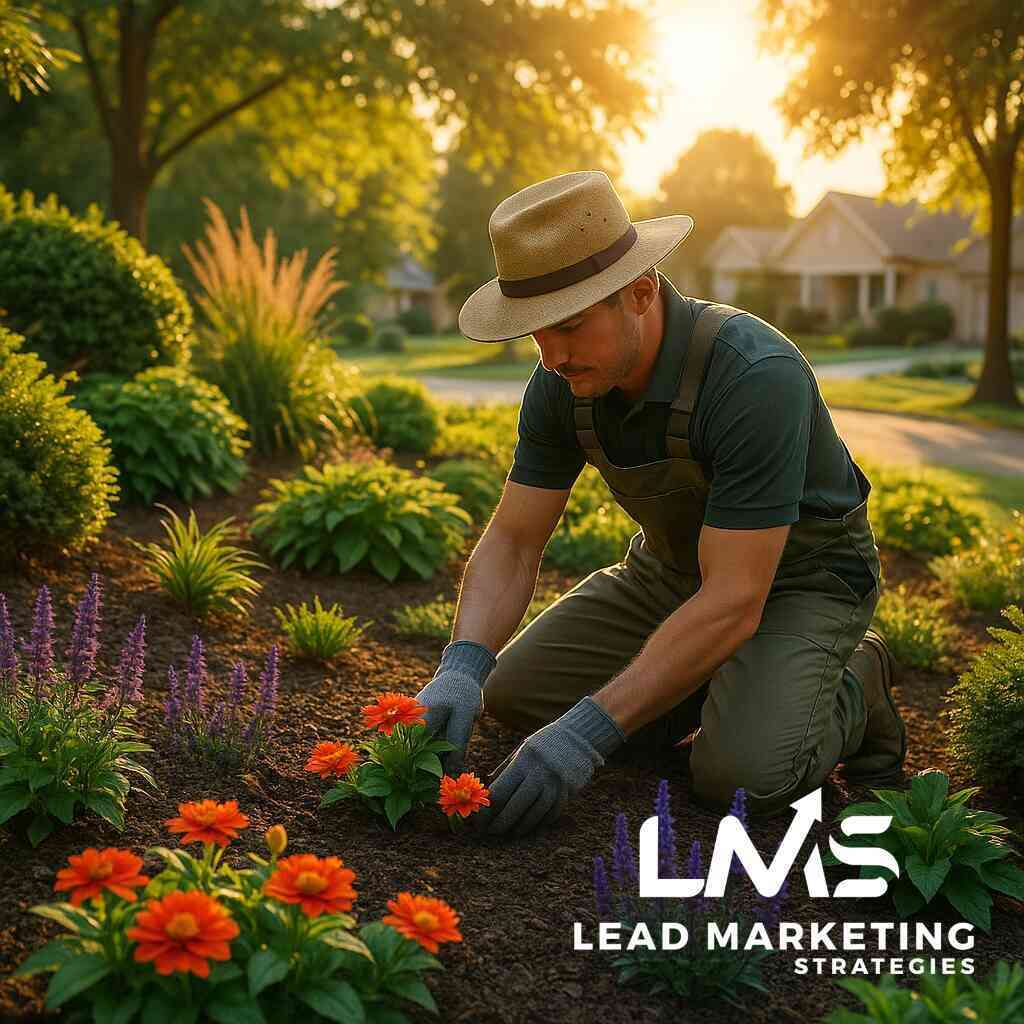
Proven Landscaping Marketing Strategies to Boost Engagement
Landscaping businesses that invest in smart marketing strategies consistently outperform those that rely on word of mouth alone. This overview breaks down the core approaches that help landscapers attract new clients, build community trust, and grow a sustainable presence — both online and off.
Understanding Your Market Before You Market
Before crafting any campaign, it helps to understand who your customers are and what they actually want. Market research does not need to be complex. Even simple steps like reading community feedback, sending short surveys, or reviewing local search trends can reveal a great deal.
Key questions worth exploring:
- What services are in highest demand in your area?
- How do potential clients search for landscaping help online?
- What do past customers say they value most?
When you build your strategy on real data rather than assumptions, your messaging lands more effectively and your services feel more relevant to the people you are trying to reach.
Building a Strong Online Presence
For most potential clients, your website is the first impression of your business. A professionally designed landscaping website should be clean, easy to navigate, and visually engaging. High-quality photos of completed projects, clear service descriptions, and easy contact options all contribute to a positive first visit.
Beyond design, your website needs to be discoverable. Local SEO — optimizing your content so it appears in searches like "landscapers near me" or "lawn care in [your city]" — is one of the most practical tools available to small landscaping businesses in 2026. This includes:
- Using location-specific keywords throughout your site
- Keeping your Google Business Profile accurate and updated
- Collecting and responding to customer reviews
- Ensuring your site loads quickly on mobile devices
Consistency across all platforms — your website, social profiles, and directory listings — also strengthens trust signals for search engines.
Connecting with Your Local Community
Local engagement remains one of the most underrated elements of landscaping marketing. Homeowners and property managers are far more likely to hire a company they have encountered in person or seen contributing positively to the neighborhood.
Practical community engagement ideas include:
- Sponsoring a local park cleanup or school beautification project
- Participating in community fairs or home and garden expos
- Partnering with local real estate agents or property managers
- Offering seasonal tips through a neighborhood newsletter or local social groups
These efforts build genuine goodwill and generate referrals without any hard selling involved. When your business becomes a recognized part of the community, trust follows naturally.
Leveraging Social Media Effectively
Social media is a natural fit for landscaping businesses because the work is so visual. Platforms that prioritize imagery give landscapers a direct way to showcase transformations, seasonal projects, and client results.
What tends to perform well:
- Before-and-after photos of landscaping projects
- Short videos walking through a completed yard or garden design
- Client testimonials shared as graphics or short clips
- Seasonal content tied to planting, lawn care, or weather prep
Consistency matters more than volume. Posting quality content a few times per week and engaging with comments builds a more loyal following than flooding feeds with low-effort posts. Social media works best as a relationship tool — not just a broadcast channel.
Using Digital Tools to Improve the Customer Experience
Beyond marketing, technology can improve how you deliver services and communicate with clients. Mobile apps designed for landscaping businesses allow customers to track project timelines, submit requests, and stay informed without having to call or email repeatedly.
This kind of transparency builds confidence. When clients feel informed and included in the process, satisfaction rates tend to rise — and satisfied clients become repeat customers and referral sources.
Project management tools also help your team stay organized, reducing miscommunication and improving job quality. A smoother internal process often reflects directly in the customer experience.
Putting It All Together
Effective landscaping marketing in 2026 is not about choosing one tactic and hoping for results. It is about building a layered approach where your online presence, local reputation, social engagement, and customer experience all reinforce each other.
Start with a strong foundation — a well-designed website and solid local SEO — then layer in community involvement and consistent social content. Use technology to enhance the experience for clients already working with you.
Each of these elements compounds over time. The businesses that invest steadily in these areas are the ones that build lasting authority in their local markets.
Guide to Engagement with Landscaping Marketing Strategies


Comments
Post a Comment