Political Marketing ROI: What Campaigns Must Know in 2026
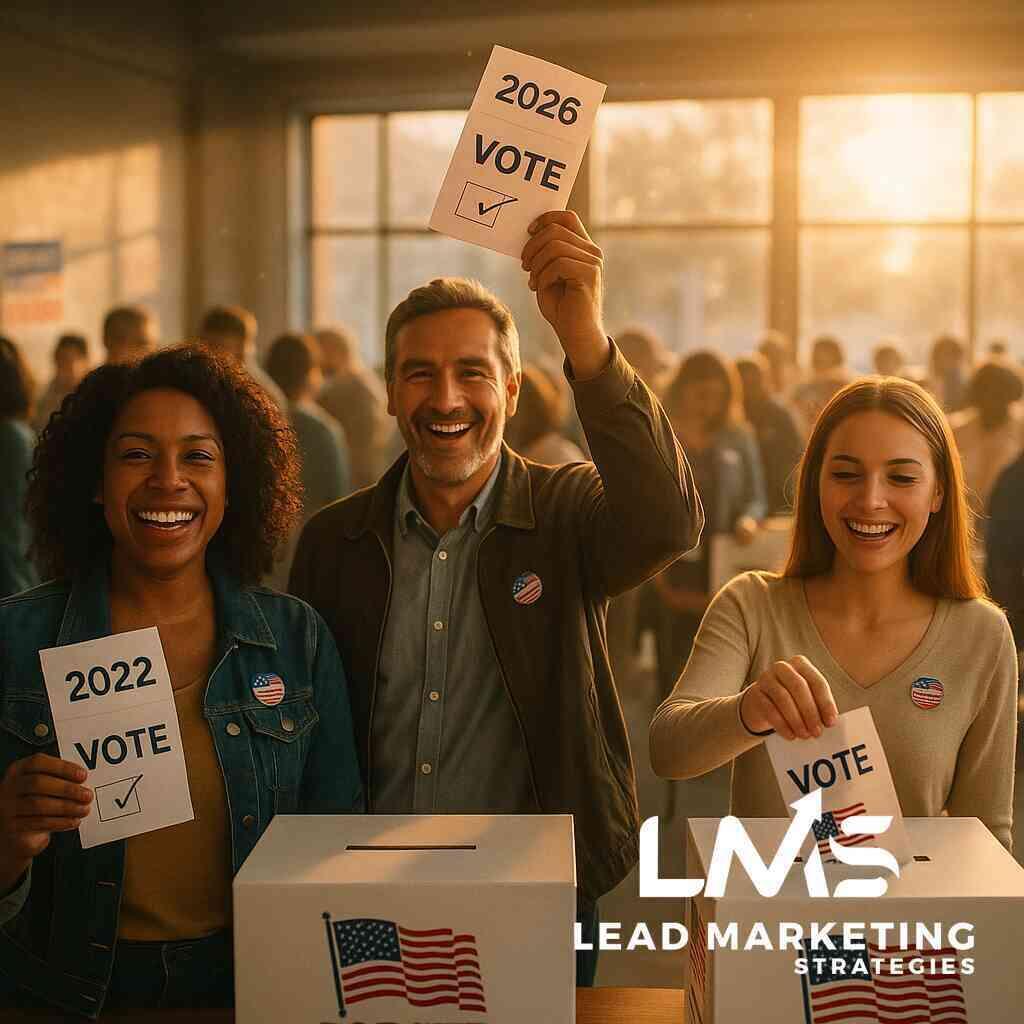
Political Marketing ROI: What Campaigns Must Know in 2026
Political marketing in 2026 is no longer just about reaching voters — it is about measuring every dollar spent and understanding what actually drives results. Campaign ROI has become central to how candidates and their teams plan, execute, and evaluate their entire marketing effort.
This overview breaks down the key strategies shaping campaign returns right now, from digital advertising to grassroots mobilization.
Why Political ROI Matters More Than Ever
At its core, political ROI is about accountability. Every resource a campaign deploys — budget, staff time, media spend — should be traceable back to a measurable outcome. That outcome might be increased voter engagement, stronger name recognition, or actual votes on election day.
In a competitive digital environment, campaigns that ignore ROI risk burning resources on tactics that do not move the needle. Those that track and analyze performance are better positioned to win.
The Shift to Digital Campaign Strategies
Digital platforms have fundamentally changed how political campaigns communicate. Television and direct mail still have a role, but the bulk of modern strategy now runs through search engines, social platforms, and targeted online advertising.
Key digital tools shaping campaign effectiveness today include:
- Search engine optimization (SEO): Helps candidates appear prominently when voters search for information about issues or candidates.
- Pay-per-click (PPC) advertising: Allows precise targeting by geography, demographics, and interests — and delivers measurable engagement data.
- Data analytics: Campaigns can now track voter behavior in near real time and adjust messaging quickly.
When these tools work together, they create a digital ecosystem that continuously improves its own performance based on feedback.
Political Advertising: Complexity Behind the Message
Crafting political advertising that actually persuades voters is harder than it looks. Audience dynamics shift constantly. Media consumption habits vary across age groups, regions, and party affiliation. A message that lands well with one segment may fall flat with another.
Effective political advertising in 2026 requires:
- Multichannel reach: Spreading messages across platforms ensures broader coverage and reduces dependence on any single channel.
- Message consistency: Core themes and values should remain stable across formats, even when tone adjusts for different audiences.
- Continuous testing: Running variations of ads and tracking which versions drive better engagement helps refine spend over time.
Election PPC advertising, in particular, offers detailed insight into how ads perform — clicks, impressions, and conversion rates all contribute to a clearer picture of advertising ROI.
Using Voter Engagement Metrics to Guide Decisions
Voter engagement metrics are among the most practical tools available to a modern campaign. These data points — covering everything from email open rates to social interactions and event attendance — reveal where a campaign is gaining traction and where it is losing ground.
Acting on this data in real time is a significant competitive advantage. When a particular message or format is generating strong engagement, it can be scaled. When something is underperforming, it can be adjusted or paused before too much budget is lost.
This approach transforms campaign decision-making from gut instinct into evidence-based strategy.
Campaign Strategy Optimization: A Continuous Process
Optimizing a campaign strategy is not a one-time exercise — it is an ongoing process that runs parallel to the campaign itself. Conditions change. Opponents react. Voter concerns evolve.
Campaigns that build regular review cycles into their operations are better equipped to handle these shifts. This means setting benchmarks early, reviewing performance data consistently, and being willing to pivot tactics when the evidence calls for it.
Resource allocation is a core part of this. When data shows certain voter segments are more responsive, concentrating effort there often yields better returns than spreading resources evenly.
Political Branding and Long-Term Candidate Presence
Strong political branding does more than make a candidate recognizable — it builds the trust and emotional connection that influences how voters think and feel over time.
A clear, consistent brand communicates a candidate's values, record, and vision without confusion. It helps voters quickly understand who a candidate is and why they are running.
Building voter trust through brand development is a long-term investment. It pays off not just on election day but throughout the entire campaign cycle, reinforcing every other marketing effort along the way.
Grassroots Mobilization Still Delivers
Despite the rise of digital-first strategies, grassroots mobilization remains a powerful driver of genuine voter engagement. Community-based outreach builds relationships that no algorithm can fully replicate.
Modern campaigns are combining traditional grassroots methods with digital tools — using data to identify high-priority communities, then deploying volunteers and local events to build authentic connections.
This hybrid approach often produces some of the highest ROI of any campaign tactic, because it generates enthusiasm that spreads organically.
Final Thoughts
Political marketing ROI in 2026 depends on strategy, data, and adaptability. Campaigns that invest in digital tools, measure voter engagement rigorously, build consistent brands, and stay flexible in their approach are the ones most likely to see their resources translate into meaningful results.
Understanding these dynamics is the first step toward making smarter campaign decisions.
What Political Marketing Strategies Mean for Campaign ROI in 2026


Comments
Post a Comment