Landscaping Marketing Trends Shaping the Industry in 2026
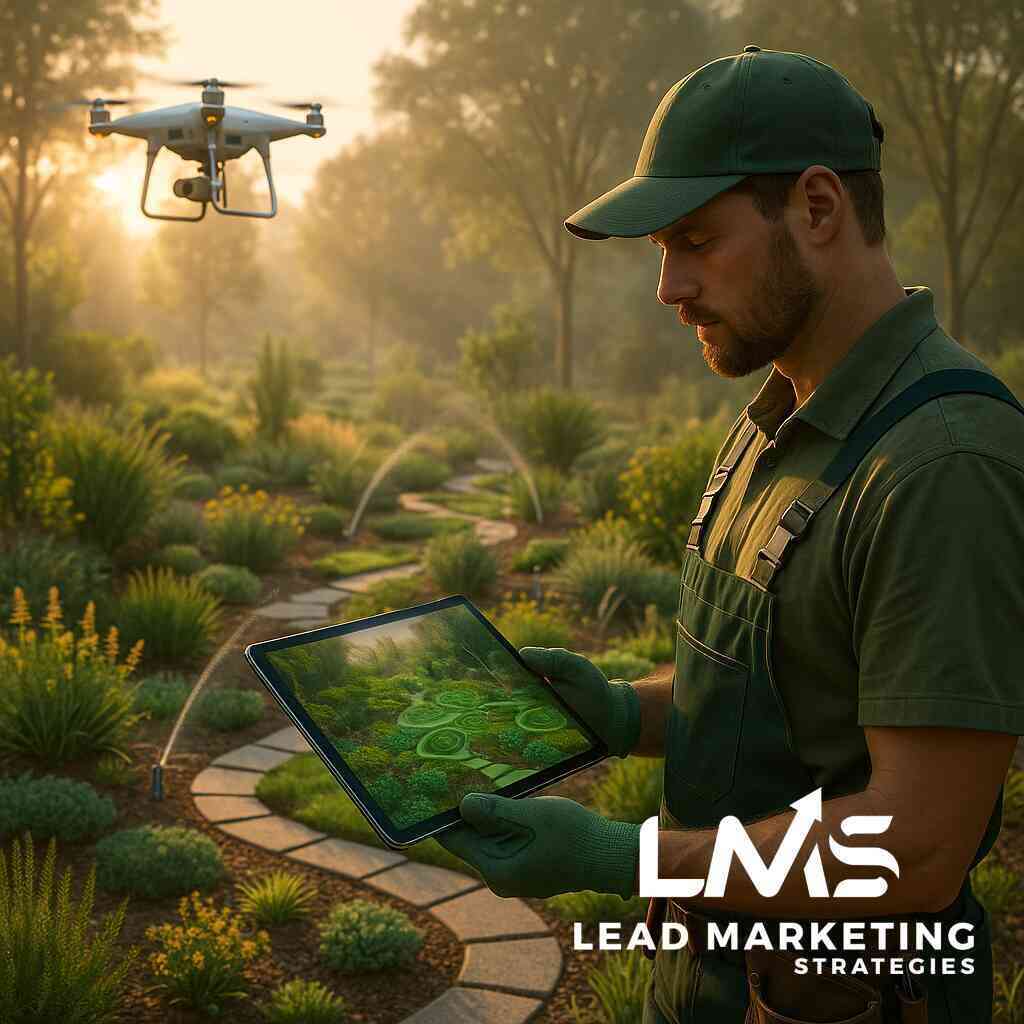
Landscaping Marketing Trends Shaping the Industry in 2026
The landscaping industry is experiencing a significant shift in how businesses attract, engage, and retain clients. In 2026, the most successful landscaping companies are those blending smart technology, sustainable values, and compelling storytelling into a cohesive marketing approach. This overview breaks down the key trends defining landscaping marketing right now.
Digital Transformation Is No Longer Optional
Landscaping businesses that have resisted going digital are finding it increasingly difficult to compete. Digital transformation means more than just having a website. It involves using online tools to manage customer relationships, gather data, and respond to client needs faster and more accurately.
When companies use digital channels effectively, they can:
- Track which services generate the most interest
- Respond to inquiries quickly and professionally
- Build a consistent brand presence across multiple platforms
This shift allows landscapers to move from reactive service delivery to a more proactive, data-informed approach.
AI Is Personalizing the Client Experience
Artificial intelligence is playing a growing role in how landscaping businesses market their services. AI tools can analyze customer behavior, preferences, and past interactions to deliver more relevant messaging and recommendations.
For example, a homeowner who previously requested drought-resistant planting might receive targeted content about water-efficient design options. This level of personalization builds trust and increases the likelihood of repeat business.
AI also supports more efficient resource allocation. Instead of sending generic promotions to an entire mailing list, businesses can segment audiences and tailor communications in ways that actually resonate.
Sustainability Is Driving Brand Reputation
Eco-conscious consumers are reshaping what they expect from landscaping professionals. In 2026, sustainable practices are not just a nice-to-have — they are a competitive differentiator.
Landscaping businesses are responding by incorporating:
- Native plants that require less water and maintenance
- Rainwater harvesting systems to reduce reliance on municipal water
- Habitat-friendly design that supports local wildlife
Marketing these efforts authentically strengthens brand reputation. Clients increasingly choose businesses whose values align with their own, and environmental responsibility resonates deeply with today's homeowners and commercial property managers alike.
Drone Technology Enhances Visual Marketing
Drones have moved from novelty to practical tool in landscaping marketing. Aerial footage captured by drones gives prospective clients a compelling view of completed projects — one that standard ground-level photography simply cannot match.
Beyond promotional use, drones support accurate property assessments and design planning. The ability to showcase a project from above adds a professional dimension that elevates a company's perceived expertise.
For marketing teams, drone footage is highly versatile. It works well in video content, social media posts, and website galleries, giving audiences a vivid sense of scale and craftsmanship.
Augmented Reality Brings Design to Life
Augmented reality is changing how landscape designers present ideas to clients. Rather than relying on hand-drawn sketches or static renderings, AR tools allow clients to visualize proposed changes in real time — overlaid onto their actual outdoor space.
This interactive experience builds confidence in the design process. Clients can explore different plant arrangements, hardscape options, or lighting setups before any physical work begins. The result is fewer misunderstandings, stronger client buy-in, and a more satisfying overall experience.
Smart Irrigation Systems Appeal to Eco-Minded Clients
Smart irrigation is one of the most marketable sustainability features a landscaping company can offer. These systems use weather data and soil moisture sensors to water only when and where it is needed, significantly reducing waste.
From a marketing perspective, smart irrigation appeals to clients who are environmentally aware and looking to reduce utility costs. Highlighting this technology demonstrates a company's commitment to forward-thinking, responsible landscaping.
Social Media Storytelling Builds Real Connections
Social media remains one of the most powerful tools available to landscaping businesses — but only when used with intention. Generic before-and-after posts are a start, but in 2026, the most effective landscaping brands are going deeper.
Compelling social media content tells a story. It might follow a project from initial consultation through final installation, giving followers an inside look at the craftsmanship and care involved. It might spotlight a team member's expertise or share a client's transformation story.
This kind of content builds community. It positions a landscaping company not just as a service provider, but as a trusted partner in creating beautiful, functional outdoor spaces.
Bringing It All Together
The 2026 landscaping marketing landscape rewards businesses that are willing to evolve. Technology like AI, drones, and AR is making it easier to connect with clients in meaningful ways. Sustainability is becoming a core brand value rather than an afterthought. And authentic storytelling on social platforms is turning followers into loyal customers.
Landscaping professionals who understand these trends — and act on them — are building stronger pipelines, better reputations, and more resilient businesses for the years ahead.
What Are 2026 Trends in Landscaping Marketing Strategies


Comments
Post a Comment