Hardscape vs. Landscaping Marketing: Key Strategy Differences
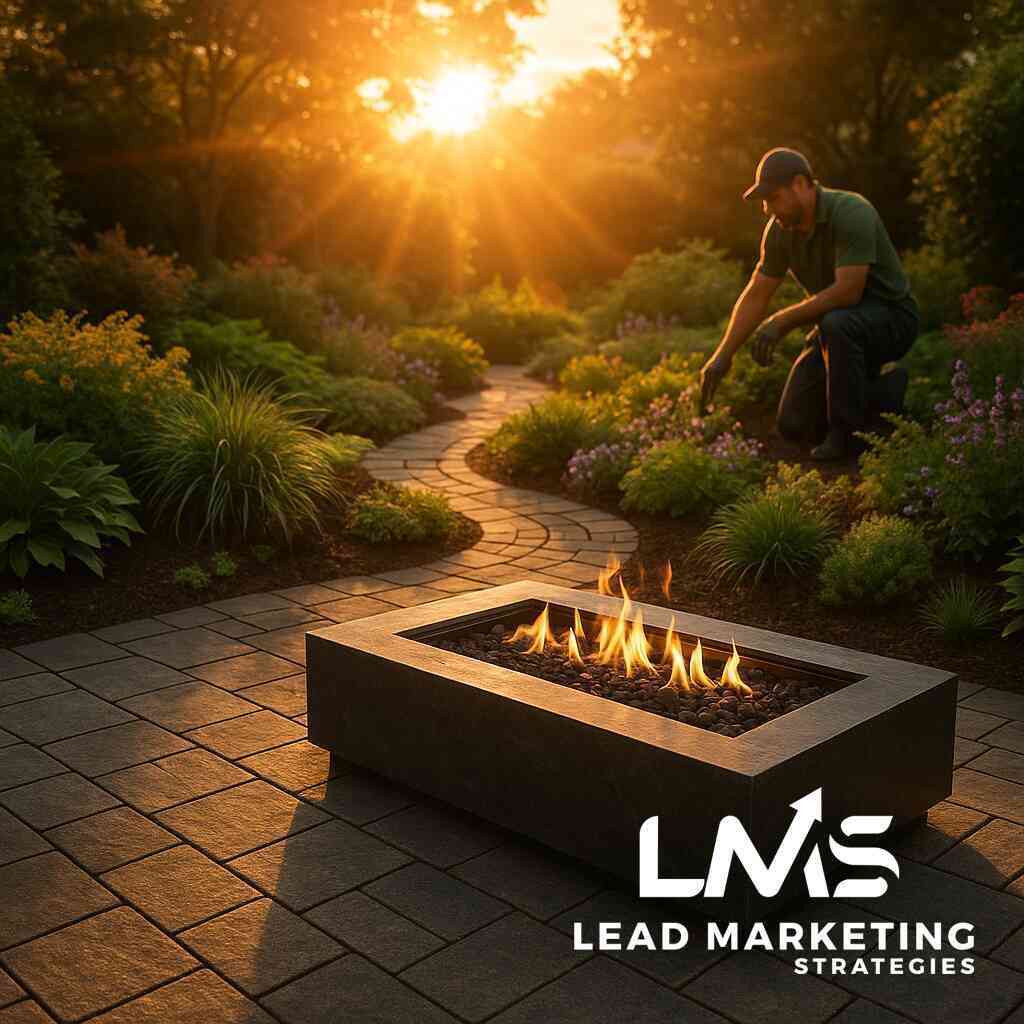
Hardscape Ads vs. Landscaping Marketing Strategies: What You Need to Know
Marketing a hardscape business and marketing a landscaping company may seem similar on the surface, but the strategies, messaging, and customer psychology involved are quite different. Understanding these differences — and where the two approaches can work together — is essential for any outdoor service business looking to grow in 2026.
What Makes Landscaping Marketing Unique
Landscaping marketing has shifted significantly toward digital channels. Gone are the days when a truck wrap and a local newspaper ad were enough. Today, a strong online presence is the foundation of any competitive landscaping business.
Key elements of modern landscaping marketing include:
- Local SEO: Ranking well in local search results helps potential clients find your services when they need them most.
- Content marketing: Helpful guides, seasonal tips, and before-and-after project photos build trust and demonstrate expertise.
- Social media presence: Platforms that support visual content are a natural fit for showcasing green spaces, garden design, and lawn care results.
- Brand identity: Clear, consistent lawn care branding distinguishes your business from the competition and makes your messaging memorable.
The overarching goal in landscaping marketing is to connect emotionally with homeowners who envision a beautiful, functional outdoor space. Messaging tends to emphasize sustainability, curb appeal, and seasonal results.
How Hardscape Advertising Takes a Different Approach
Hardscape advertising focuses on the structural and permanent nature of the products and services being offered. Patios, retaining walls, driveways, and outdoor kitchens require a significant investment from the customer. The marketing must reflect that weight.
Effective hardscape advertising strategies typically emphasize:
- Visual quality and craftsmanship: High-resolution photos and video walkthroughs of completed projects help potential clients visualize what they're investing in.
- Durability and longevity: Copy and messaging often highlight how long materials last and how they hold up across seasons and weather conditions.
- Customer testimonials: Social proof is especially powerful in this space because the purchase decision is significant and long-term.
- Augmented reality tools: An emerging trend in 2026 is using AR technology to let prospects virtually preview hardscape additions in their own outdoor spaces before committing.
The tone in hardscape advertising tends to be more aspirational and investment-focused. You're not just selling a service — you're selling a permanent improvement to someone's property and lifestyle.
Where the Two Strategies Overlap
Despite their differences, hardscape and landscaping marketing share important common ground. Both fields benefit from:
- Strong local SEO: Whether a client is searching for a patio installer or a lawn care provider, showing up in local search results is critical.
- Visual storytelling: Both industries are highly visual. Project photography, video content, and portfolio pages are essential for either service.
- Lead generation systems: Capturing and nurturing leads through digital channels applies equally to both business types.
- Reputation management: Online reviews on major platforms influence purchasing decisions in both spaces.
Businesses that offer both hardscape and landscaping services have a meaningful marketing advantage. They can present a complete outdoor transformation story — from the structural bones of a space to the living, breathing greenery that brings it to life.
Integrating Both Strategies for Maximum Impact
If your business operates across both disciplines, your marketing strategy should reflect that breadth. A few practical approaches:
- Unified brand messaging: Rather than treating hardscape and landscaping as separate silos, create a cohesive brand story that positions your company as a full-service outdoor expert.
- Segment your content: Different pages, posts, and campaigns can speak specifically to hardscape buyers versus landscaping clients, even within the same overall brand.
- Cross-promote services: A client who hired you for lawn care may not know you also install patios. Use email marketing and social content to cross-educate your existing audience.
- Showcase complete projects: When possible, highlight projects where hardscape and landscaping work together. This is some of the most compelling content you can produce.
Staying Current With 2026 Marketing Trends
The outdoor services industry is evolving quickly. Digital-first strategies are no longer optional — they are the baseline expectation. Businesses that invest in SEO, social media, immersive content tools, and consistent branding will continue to outperform those relying on word-of-mouth alone.
Whether you specialize in hardscaping, landscaping, or both, the core principle remains the same: show your work clearly, speak to your customer's goals, and make it easy for them to trust you before they ever make contact.
This overview is designed to help outdoor service businesses think more strategically about how they market their services and where there is room to grow.
Hardscape Ads versus Landscaping Marketing Strategies Guide


Comments
Post a Comment