Gen Z Political Marketing: Strategies That Actually Work
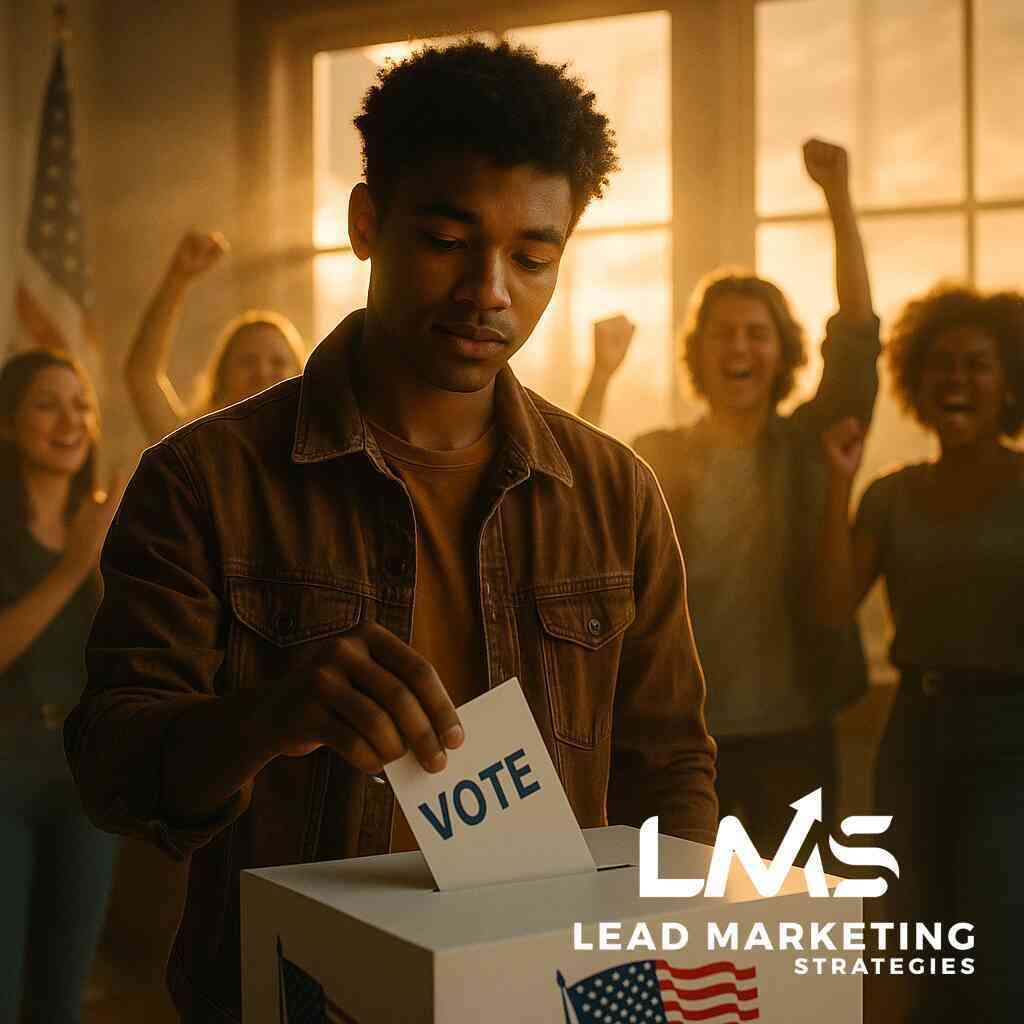
Gen Z Political Marketing: Strategies That Actually Work
Political campaigns targeting Gen Z voters require a fundamentally different approach than those designed for older generations. This overview breaks down the most effective strategies for reaching, engaging, and mobilizing Gen Z — the digital-native voting bloc that is reshaping political marketing in 2026.
Understanding What Drives Gen Z Voters
Gen Z voters are not simply younger millennials. They have distinct priorities, communication habits, and expectations from political candidates.
Key issues that resonate with this generation include:
- Climate change and environmental policy
- Social justice and equity
- Mental health awareness and resources
- Economic stability and student debt
- Technological innovation and digital rights
Political messaging that ignores these topics — or addresses them in vague, performative ways — tends to fall flat. Gen Z is highly skilled at identifying inauthenticity, and campaigns that feel scripted or out of touch lose credibility fast.
Digital-First Campaign Tactics Are Non-Negotiable
Gen Z grew up with smartphones and social media as core parts of daily life. A mobile-first strategy is not optional — it is essential.
Platforms like TikTok, Instagram, and YouTube serve as primary news and information sources for many Gen Z voters. Campaigns that prioritize these channels can reach this audience where they are already spending time.
Effective digital tactics include:
- Short-form video content that communicates policy ideas quickly and clearly
- Live streaming events that allow real-time interaction with candidates
- Story-driven narratives that humanize political figures
- Meme-based content that makes political ideas more accessible and shareable
The viral potential of creative content on these platforms means that a well-crafted post can reach far beyond a campaign's existing audience at minimal cost.
Why Influencer Marketing Works for Political Campaigns
Influencer-led outreach has become one of the more powerful tools in Gen Z political marketing. Rather than relying solely on formal political endorsements, campaigns that partner with trusted digital creators can tap into communities built on genuine connection.
This works because Gen Z tends to trust individual voices more than institutional messaging. An influencer who authentically discusses political issues — particularly those they personally care about — carries real persuasive weight.
However, authenticity is everything here. Gen Z audiences are quick to recognize when an influencer relationship feels forced or purely transactional. The most effective influencer partnerships are those where the creator's values naturally align with the campaign's message.
Building an Authentic Political Brand
For Gen Z, brand authenticity is not just a marketing concept — it is a baseline expectation. Political entities that engage transparently, admit uncertainty when appropriate, and show consistent values over time tend to build stronger loyalty with this demographic.
Practical ways to strengthen political brand authenticity include:
- Participating in genuine community conversations rather than just broadcasting messages
- Addressing difficult topics honestly instead of pivoting to talking points
- Showing consistency between stated values and actual policy positions
- Engaging with criticism in a thoughtful, respectful way
This kind of trust-building is especially valuable for long-term voter engagement, not just single-election turnout.
Interactive Content and Cross-Platform Consistency
Gen Z responds well to content that invites participation rather than passive consumption. Quizzes, polls, interactive stories, and comment-driven discussions create two-way engagement that feels more like a conversation than a broadcast.
At the same time, campaigns must maintain consistent messaging across all platforms. A cross-platform approach ensures that a voter who encounters a campaign on TikTok, then later on Instagram or YouTube, receives a unified and coherent message.
Content should be adapted to fit the format and culture of each platform — what works as a YouTube deep dive will not work as a TikTok clip — but the core values and policy positions must remain consistent.
AI and Data-Driven Voter Outreach
Artificial intelligence is playing a growing role in political marketing, particularly in voter analysis and micro-targeted advertising. AI tools can process large datasets to identify which issues matter most to specific voter segments, allowing campaigns to craft more relevant and personalized messages.
For Gen Z outreach, this means moving away from broad demographic targeting toward more nuanced, interest-based approaches. A Gen Z voter in a rural area may have very different priorities than one in an urban center, and AI-driven analysis helps campaigns respond to that complexity.
Micro-targeted ads, when executed ethically and transparently, allow campaigns to address individual concerns more directly — which improves both engagement and conversion.
Key Takeaways for Political Marketers
Reaching Gen Z voters effectively comes down to a few core principles:
- Lead with authenticity — scripted messaging loses this audience quickly
- Prioritize digital and mobile-first channels — especially short-form video
- Use influencer partnerships thoughtfully — alignment matters more than reach
- Create interactive content — participation drives deeper engagement
- Maintain cross-platform consistency — unified messaging builds trust
- Leverage data and AI — personalization improves relevance at scale
Political campaigns that understand and respect Gen Z's values — rather than simply trying to market to them — will be far better positioned to earn their votes and long-term support.
Comparing Political Marketing Strategies for Gen Z Votes


Comments
Post a Comment