Digital Marketing Strategies for Long Island Restaurants in 2026
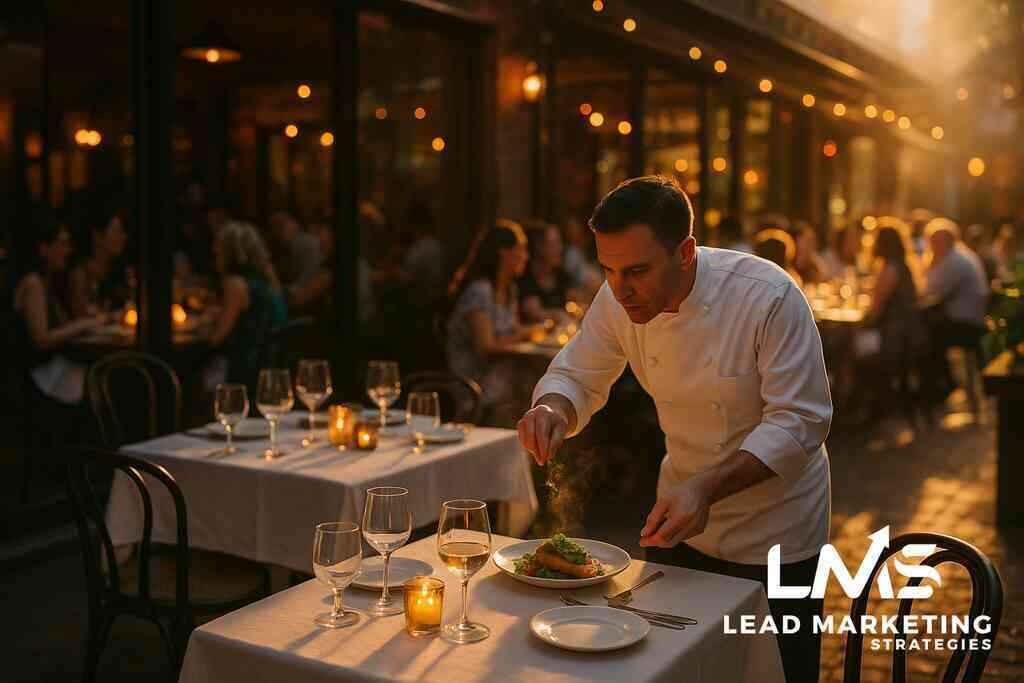
Digital Marketing Strategies for Long Island Restaurants in 2026
Running a restaurant on Long Island means competing in one of the most diverse and demanding food markets in the Northeast. A well-structured digital marketing plan helps local eateries cut through the noise, reach the right diners, and build lasting loyalty. This overview breaks down the core components of an effective strategy.
Why Digital Marketing Matters for Long Island Eateries
Long Island's restaurant scene is vibrant and competitive. Diners have plenty of choices, and most of them start their search online. Without a consistent digital presence, even a great restaurant can struggle to get noticed.
Digital marketing gives restaurants direct access to local audiences. It allows for precise targeting based on location, interests, and dining behavior. The result is a more efficient use of marketing resources — and a stronger connection with the community.
Building a Strong Restaurant Website
Your website is often the first interaction a potential diner has with your brand. It needs to make a strong impression quickly.
Key elements of an effective restaurant website include:
- Mobile-friendly design — Most local searches happen on smartphones.
- Clear navigation — Menus, hours, and location should be easy to find.
- High-quality visuals — Photos of food and the dining space set expectations and build appetite.
- Fast load times — Slow pages lead to lost visitors.
A clean, professional website signals credibility and encourages visitors to take the next step, whether that is making a reservation or simply deciding to walk in.
Local SEO: Getting Found by Nearby Diners
Local search engine optimization is one of the most practical investments a Long Island restaurant can make. When someone searches for "best seafood near me" or "Italian restaurant in Huntington," you want your business to appear at the top.
Effective local SEO involves:
- Using location-specific keywords throughout your website content.
- Keeping your Google Business Profile accurate and up to date.
- Collecting and responding to customer reviews.
- Ensuring your name, address, and phone number are consistent across all online directories.
These steps improve visibility in local search results and on map-based searches, which are increasingly common in 2026.
Content That Connects With Your Audience
Content is more than just words on a page. For restaurants, it is a way to tell your story, highlight your culinary identity, and keep your audience engaged between visits.
Useful content formats for restaurants include:
- Food photography and short videos — Visual content performs strongly on every major platform.
- Blog-style posts — Seasonal menus, chef spotlights, or behind-the-scenes content build personality and trust.
- Email newsletters — A well-timed message about a new dish or upcoming event keeps regulars engaged.
Consistency matters more than volume. Posting quality content on a regular schedule builds familiarity and keeps your restaurant top of mind.
Social Media for Restaurant Growth
Social platforms are essential for restaurants that want to grow their audience and build community. Instagram and Facebook remain the most effective channels for food-focused businesses.
A few principles that work well:
- Post visuals that are worth sharing — Great food photography encourages organic reach.
- Engage with comments and messages — Responsiveness builds trust and shows customers you care.
- Use platform features strategically — Stories, reels, and event listings each serve a different purpose.
- Balance organic posts with paid promotions — Targeted ads can reach new diners in specific ZIP codes or neighborhoods.
Social media also provides valuable feedback. Paying attention to what content resonates helps refine future efforts.
Paid Advertising and Targeted Campaigns
Pay-per-click advertising and social media ads allow restaurants to reach specific audiences with precision. A well-targeted campaign can promote a lunch special, a weekend event, or a seasonal menu item to people who are most likely to respond.
For local restaurants, geo-targeted ads are especially effective. They ensure your message reaches people within a reasonable driving distance, making every advertising dollar work harder.
Aligning Your Strategy With Your Goals
No single tactic works in isolation. The most effective digital marketing plans for Long Island restaurants combine several approaches into a cohesive strategy.
Start by defining clear goals — whether that is increasing weekday traffic, boosting private event bookings, or growing a catering side of the business. Then build your digital efforts around those specific objectives.
Reviewing performance regularly is equally important. Tracking which campaigns drive reservations, which content earns the most engagement, and where website traffic originates allows for ongoing refinement.
Final Thoughts
A digital marketing plan is not a one-time project. It is an ongoing process that evolves with your audience, the platform landscape, and your restaurant's own growth. Long Island restaurants that invest in a thoughtful, consistent digital strategy are better positioned to attract new guests, retain loyal ones, and stand out in a crowded market.
What Is a Digital Marketing Plan for Long Island Restaurants


I really appreciate this agency.Highly recommended.
ReplyDelete