Community Building Strategies for Landscaping Businesses in 2026
Community Building Strategies for Landscaping Businesses in 2026
Building a strong community presence is one of the most effective things a landscaping business can do to grow sustainably. When landscapers invest in their local communities, they create trust, generate referrals, and stand apart from competitors who only focus on transactions. This overview explores five practical community building tips drawn from landscaping marketing strategies that genuinely work.
1. Launch Collaborative Landscaping Projects
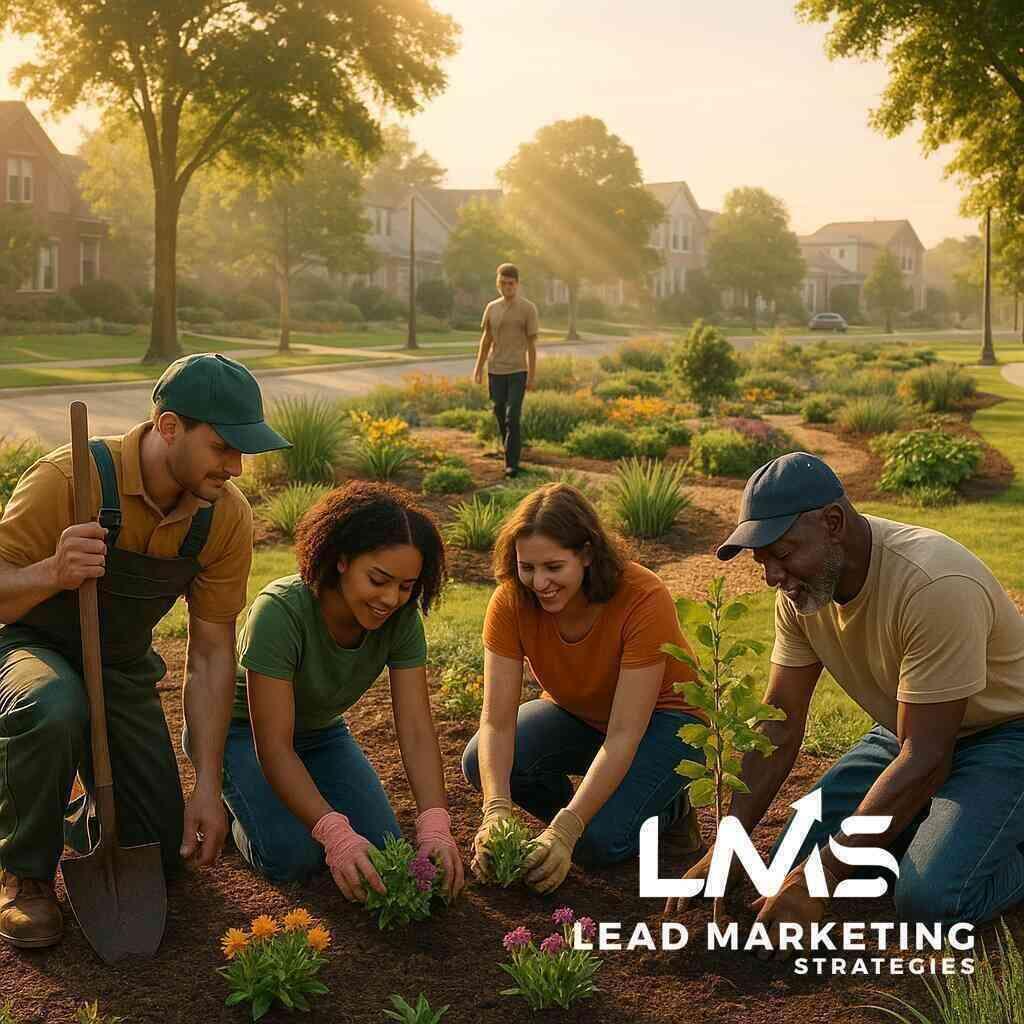
One of the most powerful ways to build community ties is by involving residents in the design and execution of landscaping projects. When people have a voice in how their shared spaces look, they develop a sense of ownership and pride in the outcome.
Consider partnering with local schools, civic organizations, or neighborhood associations to develop green spaces that serve a real purpose. A community garden, a pollinator-friendly park bed, or an outdoor learning space can all become focal points that generate lasting goodwill.
Benefits of collaborative projects include:
- Increased visibility and word-of-mouth referrals
- Stronger relationships with local organizations
- Projects that reflect genuine community needs
- A clear differentiator from competitors
These efforts signal that your business is invested in the neighborhood, not just in securing the next contract.
2. Develop Local Outreach and Networking Habits
Networking is not just for corporate environments. For landscapers, showing up consistently in the community is a form of marketing in itself. Attending local events, joining neighborhood improvement groups, and participating in civic discussions puts your business name in front of the right people.
Effective local outreach does not need to be complicated. A few practical starting points:
- Attend town hall meetings or community planning sessions
- Introduce your services to local businesses and property managers
- Sponsor or volunteer at neighborhood clean-up events
- Engage with local business associations
The key is consistency. Showing up once rarely builds trust. Regular participation over time is what establishes credibility.
3. Form Strategic Landscaping Alliances
Partnering with other local professionals can significantly extend your reach and capabilities. Landscaping alliances might include nurseries, irrigation specialists, hardscape contractors, or even real estate agents who regularly recommend outdoor improvement services.
These alliances benefit everyone involved. You can refer clients to trusted partners, and they can do the same for you. Shared knowledge also raises the quality of work across the board.
When building alliances, look for partners who:
- Share similar values around quality and community
- Serve overlapping but non-competing client bases
- Are willing to engage in mutual referral arrangements
- Have a reputation that reflects well on your business
Strong alliances are built on transparency and mutual respect, not just convenience.
4. Use Social Media to Reflect Community Involvement
Social media is most effective for landscaping businesses when it tells a story rather than just promoting services. Documenting community projects, sharing before-and-after transformations of neighborhood spaces, and highlighting partnerships with local organizations all provide content that resonates with local audiences.
This approach works because it shows rather than tells. Instead of claiming your business is community-focused, your content demonstrates it.
Practical social media content ideas for landscapers:
- Photo updates from community garden projects
- Recognition posts for local partners and collaborators
- Tips on seasonal landscaping relevant to your region
- Behind-the-scenes looks at neighborhood improvement work
Content that reflects real community involvement tends to perform well organically and builds trust with potential clients who see it.
5. Prioritize Sustainable and Neighborhood-Friendly Practices
Community building is not only about relationships. It also involves demonstrating responsibility toward the shared environment. Landscapers who prioritize sustainable practices earn respect from eco-conscious residents and organizations.
This includes using native plants, reducing chemical inputs, managing water efficiently, and designing spaces that support local wildlife. Promoting these practices publicly shows that your business thinks beyond the immediate project.
Sustainability-focused landscaping also opens doors to partnerships with environmental groups and municipal programs, which can lead to larger-scale community contracts.
Final Thoughts
Community building is a long-term investment, but it pays dividends in the form of loyalty, referrals, and reputation. Landscaping businesses that engage authentically with their neighborhoods consistently outperform those that rely solely on advertising.
The strategies outlined here—collaborative projects, local networking, strategic alliances, social media storytelling, and sustainable practices—form a strong foundation for any landscaping business looking to grow its community presence in 2026 and beyond.
Top 5 Community Building Tips from Landscaping Marketing Strategies


Comments
Post a Comment