8 Property Staging Marketing Ideas Every Real Estate Agent Needs
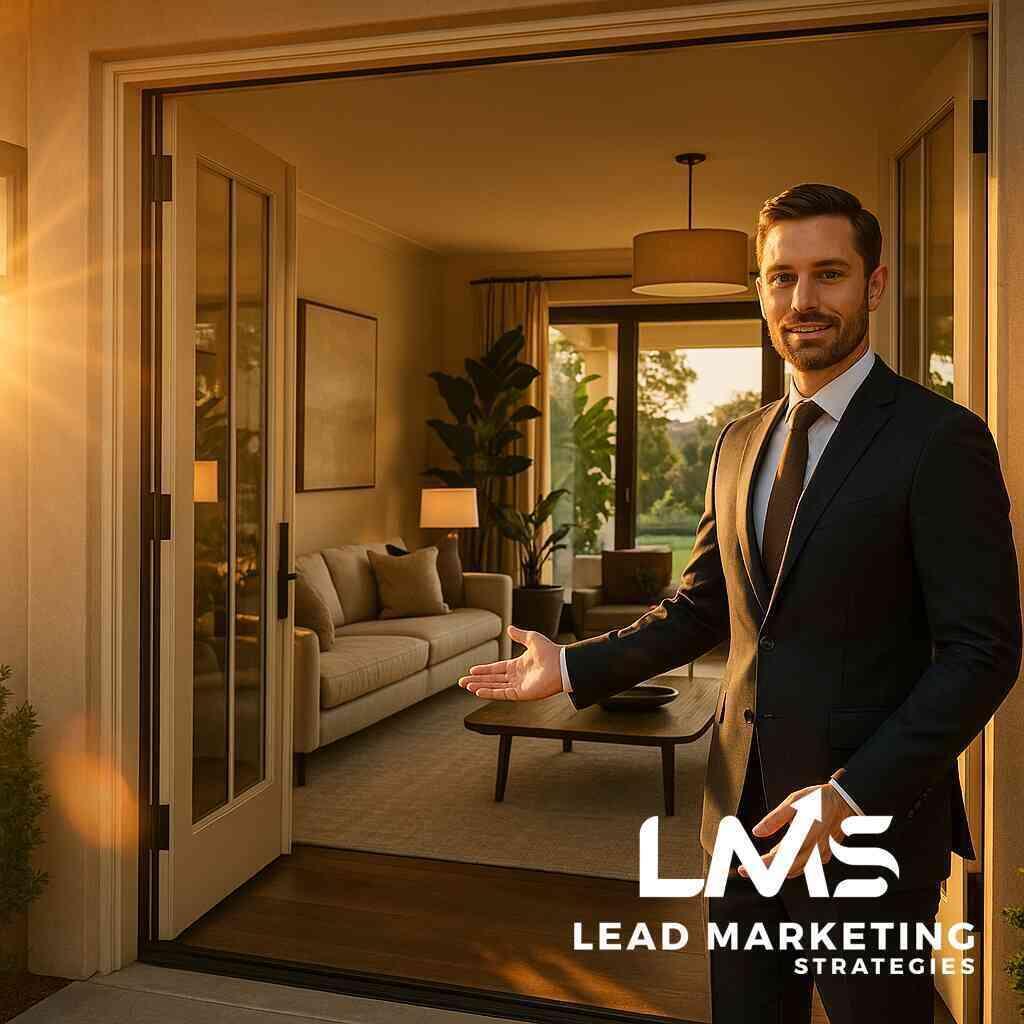
8 Property Staging Marketing Ideas Every Real Estate Agent Needs
Property staging is one of the most effective tools real estate agents have for selling homes faster and at better prices. This overview breaks down eight practical staging and marketing ideas that can help agents stand out in a competitive market right now.
Why Property Staging Still Matters in 2026
Buyers today are more informed and more selective than ever. A well-staged property helps them visualize living in the space, which builds an emotional connection that drives offers. Homes that are staged professionally tend to spend less time on the market and often attract stronger bids.
Staging is not just about aesthetics. It is a strategic move that supports pricing, marketing, and negotiation goals all at once.
1. Reinvent Traditional Staging With a Modern Edge
Classic staging principles still work, but they need to be updated for today's buyers. Neutral palettes and clean layouts remain effective, but adding bold accents, layered textures, and contemporary accessories gives a space personality.
Mixing classic furniture arrangements with modern lighting and curated art pieces can make a home feel both timeless and fresh.
2. Follow Current Interior Design Trends
Staying current with design trends helps a staged property feel relevant. In 2026, popular directions include:
- Minimalism with intentional, uncluttered spaces
- Biophilic design using natural materials and indoor plants
- Sustainable finishes that appeal to eco-conscious buyers
Incorporating even a few of these elements can make a listing feel aligned with what buyers are actively seeking.
3. Prioritize Curb Appeal From the Start
First impressions happen before a buyer ever steps inside. Enhancing the exterior of a property sets the tone for the entire showing experience.
Practical curb appeal strategies include:
- Fresh landscaping and trimmed hedges
- Updated exterior lighting fixtures
- A freshly painted front door
- Clean walkways and updated house numbers
These details signal to buyers that the property is well-maintained, which builds trust immediately.
4. Use Virtual Staging to Expand Your Reach
Virtual staging has become a practical and cost-effective alternative to physical staging. Using digital tools, empty rooms can be furnished and decorated in a realistic way for use in online listings.
This approach is particularly useful for vacant properties or investment homes where traditional staging may not be practical. It allows agents to present a polished, move-in-ready look to online browsers without the logistical challenges of physical furniture.
5. Create High-Quality Visual Content for Listings
Photography and video content are central to how buyers discover and evaluate properties online. Professional photos alone can significantly increase listing engagement.
Beyond photos, consider:
- 3D virtual tours that let buyers explore a home remotely
- Drone footage for properties with notable land or surroundings
- Short video walkthroughs for social media platforms
Engaging visual content keeps potential buyers on a listing longer and makes the property more memorable.
6. Tell a Story Through Your Staging and Marketing
Effective staging communicates a lifestyle, not just a floor plan. The goal is to help buyers imagine their daily lives unfolding in the space.
This means staging a home office to feel productive, setting a dining table to suggest entertaining, and creating a cozy reading nook that invites relaxation. Each room should suggest a purpose and an emotion.
When marketing copy aligns with the staging vision, the overall listing becomes more compelling and cohesive.
7. Target the Right Buyer Profile
Not every property appeals to every buyer. Understanding who the likely buyer is for a specific home allows agents to stage and market more precisely.
A downtown condo marketed to young professionals might emphasize a sleek home office and a vibrant kitchen. A suburban family home might highlight storage, open play spaces, and a welcoming backyard.
Tailoring the staging strategy to the target buyer increases the likelihood that the right people will respond strongly to what they see.
8. Integrate Staging Into Your Broader Marketing Plan
Staging should not exist in isolation. It works best when it is connected to a broader marketing strategy that includes social media content, email campaigns, open house presentations, and digital advertising.
Consistent visuals and messaging across all channels reinforce the appeal of the property and build familiarity with potential buyers over time.
Final Thoughts
Property staging is a high-impact investment for real estate agents who want to close deals more efficiently. Whether using physical staging, virtual tools, or a combination of both, the key is to approach each property with a clear strategy that serves the buyer's perspective while showcasing the home's best features.
Agents who treat staging as part of their overall marketing approach tend to deliver stronger results for their clients and build a more recognizable brand in their market.
Top 8 Property Staging Marketing Ideas Real Estate Agents Need Now


Comments
Post a Comment