6 Community Outreach Strategies Every 2026 Candidate Needs
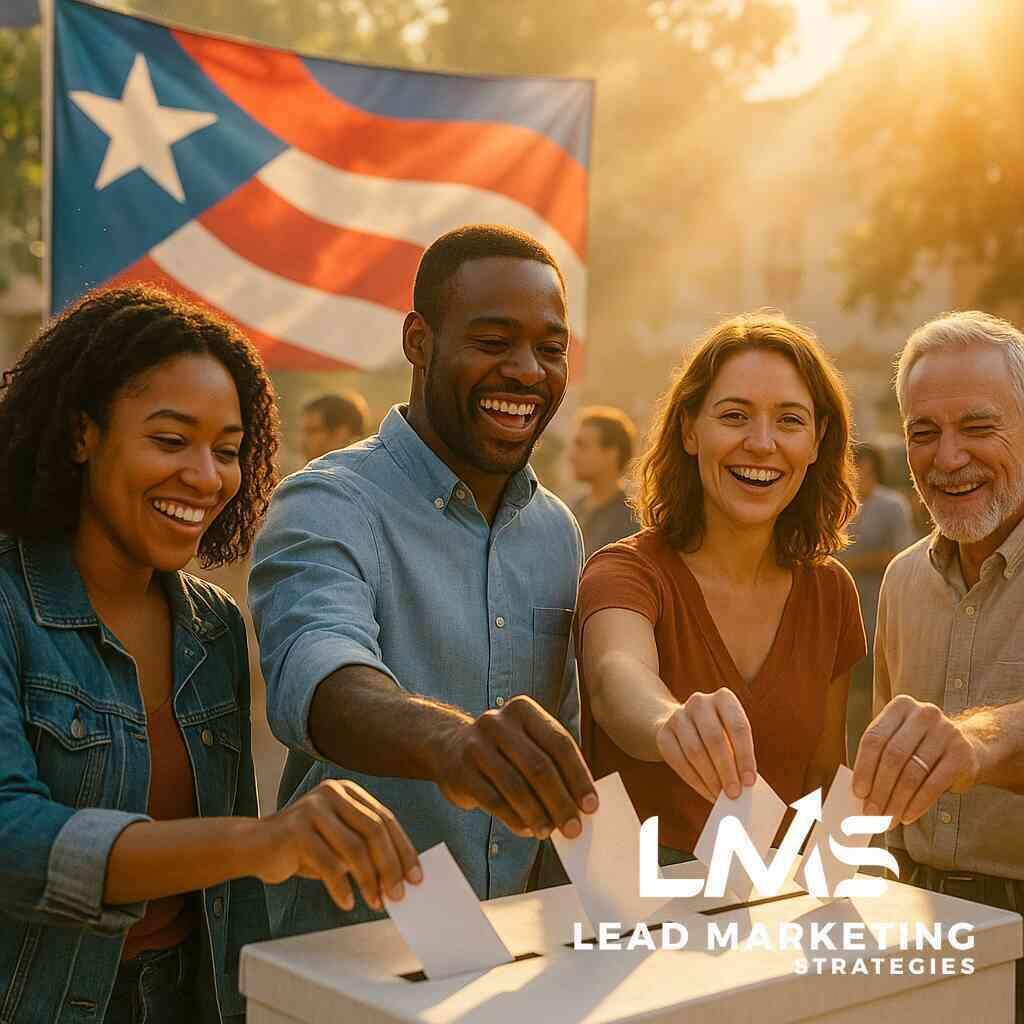
6 Community Outreach Strategies Every 2026 Candidate Needs
Political campaigns in 2026 demand more than traditional door-knocking and yard signs. Voters expect candidates to meet them where they are — online, in their communities, and in real-time conversations. This overview covers six practical community outreach marketing strategies that can help candidates build genuine connections and strengthen their electoral presence.
1. Digital Community Engagement Platforms
Social media has become a core channel for voter interaction, and that trend is only growing stronger. Platforms like Facebook, Instagram, and X (formerly Twitter) allow candidates to share policy positions, updates, and community stories with a wide audience quickly.
But effective digital engagement goes beyond posting content. It means responding to comments, joining conversations, and creating two-way dialogue. Voters who feel heard are far more likely to become active supporters.
Virtual Town Halls
Virtual town halls have emerged as a valuable tool for direct communication. Using live video platforms, candidates can answer voter questions in real-time, hold policy discussions, and address community concerns without geographic limitations. Interactive features like live polls and Q&A chat make these sessions more engaging than a standard speech or press release.
Campaign Apps
Dedicated campaign apps give voters a direct line to the candidate. Features like push notifications, volunteer sign-up tools, event reminders, and polling location finders make the voter experience smoother and more connected. Candidates who invest in user-friendly app development can integrate themselves meaningfully into voters' daily lives.
2. Grassroots Movement Mobilization
No outreach strategy runs without people behind it. Grassroots mobilization focuses on building strong local networks of volunteers, advocates, and community stakeholders who genuinely believe in the campaign's message.
Building Local Networks
Identifying trusted community leaders and passionate local advocates is essential. These individuals understand neighborhood-level concerns and can carry the campaign's message in ways that feel organic and credible. A well-organized local network creates momentum that amplifies every other outreach effort.
Empowering Volunteers
Volunteers are the engine of any grassroots campaign. Providing clear training, meaningful roles, and consistent communication keeps volunteers motivated. When volunteers feel valued and informed, they represent the campaign effectively and bring new supporters into the fold.
3. Targeted Voter Outreach and Messaging
Not every voter is persuaded by the same message. Effective outreach uses data and research to segment the electorate and tailor communication to different groups based on their values, concerns, and priorities.
This does not mean abandoning a consistent campaign message. It means framing that message in ways that speak to specific communities — whether that is healthcare access for older voters, education funding for young families, or economic opportunity for working-class neighborhoods.
- Use survey data and voter analytics to understand key concerns
- Develop variations of core messaging for different demographics
- Test messaging through digital channels before broader rollout
4. Community Partnership Development
Partnering with established community organizations lends credibility and expands reach. Local nonprofits, faith communities, civic groups, and business associations already have trust built within their networks.
Candidates who show up to support community events — not just to campaign, but to genuinely participate — build lasting goodwill. These partnerships also open doors to voter registration drives, community forums, and collaborative outreach efforts that benefit everyone involved.
5. Authentic Storytelling and Content Marketing
Voters respond to authenticity. A polished but impersonal campaign message often falls flat compared to genuine stories about why a candidate is running and what motivates them.
Content marketing in political campaigns can include short video testimonials from community members, behind-the-scenes glimpses of the campaign trail, and written profiles highlighting local issues the candidate is addressing. The goal is to humanize the candidate and create emotional resonance with the electorate.
- Short-form video performs well across most platforms in 2026
- Written content should be clear, direct, and focused on voter impact
- Highlight real constituents and real local stories wherever possible
6. Data-Driven Campaign Optimization
Tracking what works is just as important as executing outreach efforts. Campaign teams that monitor engagement metrics, voter response rates, and volunteer activity can adjust strategies in real-time.
Digital advertising analytics, email open rates, and canvassing data all provide insight into which messages resonate and which fall short. Campaigns that treat data as a feedback tool rather than just a reporting function tend to make smarter decisions as Election Day approaches.
Final Thoughts
Community outreach in 2026 is multi-layered, requiring a blend of digital tools, local relationship-building, and authentic communication. Candidates who invest in genuine engagement — rather than one-way broadcast messaging — are better positioned to earn lasting voter trust. Each of these six strategies works best when combined thoughtfully, creating a cohesive campaign presence that resonates both online and in person.
Top 6 Community Outreach Marketing Strategies for 2026 Candidates


Comments
Post a Comment