2026 Ecommerce Speed Wins: Strategies That Drive Real Growth
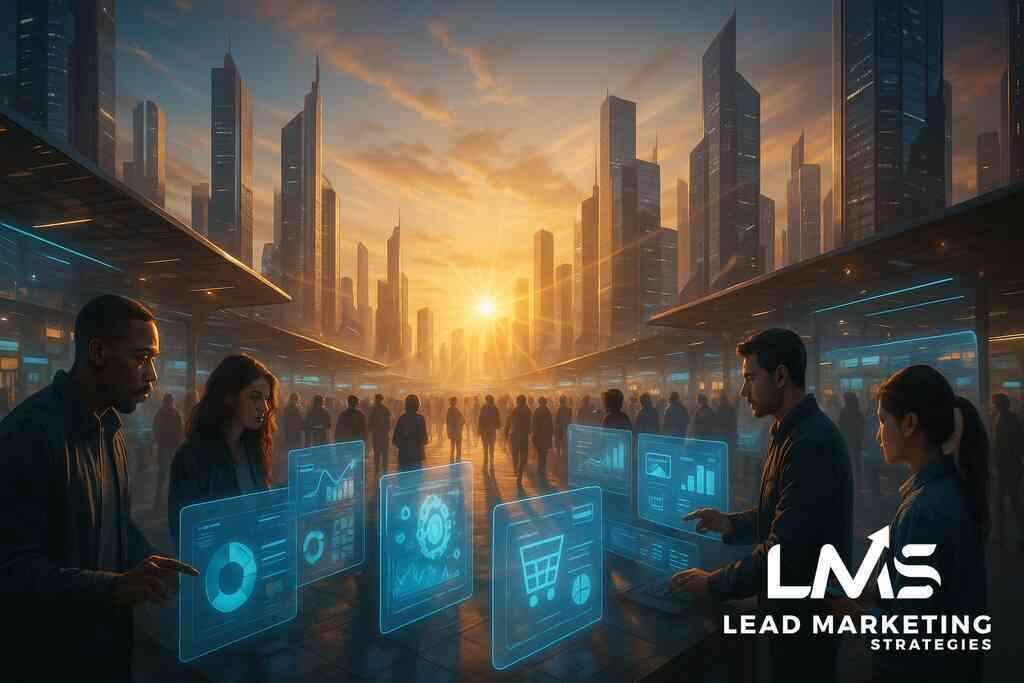
2026 Ecommerce Speed Wins: Strategies That Drive Real Growth
In 2026, ecommerce success depends heavily on two things: how fast your platform performs and how intelligently you market to your audience. This overview breaks down the strategies that are shaping competitive ecommerce this year — from AI-driven personalization to site speed optimization and beyond.
Why Speed Is No Longer Optional
Consumers have little patience for slow-loading pages or clunky checkout flows. Research consistently shows that even a one-second delay in page load time can noticeably reduce conversion rates. Speed is no longer just a technical concern — it is a direct business metric.
For ecommerce brands, speed optimization involves several interconnected practices:
- Image compression to reduce file sizes without sacrificing visual quality
- Code optimization to eliminate unnecessary scripts and bloat
- Content delivery networks (CDNs) to serve assets from servers closest to the user
- Browser caching to speed up repeat visits
Each of these improvements contributes to faster load times, lower bounce rates, and stronger search engine rankings. Search engines factor site performance directly into their algorithms, so a faster site is also a more visible one.
AI-Driven Strategies Are Reshaping the Playing Field
Artificial intelligence has moved from a novelty to a necessity in ecommerce marketing. AI tools now help businesses analyze large volumes of consumer data, identify behavioral patterns, and predict what customers are likely to want next.
This matters because it shifts marketing from reactive to proactive. Instead of responding to what customers did last month, AI-equipped teams can anticipate what those customers are likely to do next week.
Practical applications include:
- Dynamic product recommendations based on browsing and purchase history
- Predictive inventory management to reduce overstock and stockouts
- Automated customer segmentation for more relevant campaign targeting
- Chatbots and AI assistants that handle routine inquiries instantly
These capabilities reduce manual workload while delivering more relevant experiences — a combination that directly supports both customer satisfaction and operational efficiency.
Personalization: Moving Beyond the First Name
Personalization has evolved well past simply inserting a customer's name into an email subject line. Today, meaningful personalization means tailoring the entire shopping experience based on real behavioral data.
When a customer sees product recommendations aligned with their actual preferences, encounters promotions relevant to their purchase history, and receives follow-up messages timed to their browsing behavior, the result is a more authentic connection with the brand. That connection translates into loyalty.
Effective personalization strategies in 2026 typically include:
- Customized landing pages based on traffic source or user segment
- Email sequences triggered by specific actions (abandoned cart, post-purchase, re-engagement)
- On-site content that adapts to the user's browsing context
- Targeted paid campaigns that reflect where the customer is in the buying journey
The key is using data responsibly and clearly — customers respond well to relevance, but they are sensitive to experiences that feel intrusive or overly surveilled.
Innovative Techniques Driving Engagement
Beyond speed and personalization, a range of emerging techniques is helping ecommerce brands stand out in a crowded market.
Augmented reality (AR) allows shoppers to visualize products in their own space before purchasing — particularly valuable for furniture, apparel, and home goods.
Voice search optimization is increasingly important as smart speakers and voice assistants become standard household tools. Optimizing product descriptions and content for natural language queries helps capture this growing segment.
Interactive content — such as quizzes, configurators, and comparison tools — keeps visitors engaged longer and guides them toward better-fit purchases, which also reduces return rates.
Marketing automation ties these efforts together by ensuring that the right message reaches the right person at the right time without requiring manual intervention at every step.
Seamless User Experience as a Foundation
All the technology in the world loses its value if the core shopping experience is confusing or frustrating. User experience (UX) design is the foundation upon which everything else is built.
This means:
- Intuitive navigation that lets shoppers find what they need quickly
- Mobile-optimized layouts, since mobile commerce continues to grow
- Clear product pages with sufficient detail and quality imagery
- Streamlined checkout processes with minimal friction
A well-designed user experience reduces drop-off at every stage of the funnel and builds the kind of trust that brings customers back.
Bringing It All Together
The ecommerce brands gaining ground in 2026 are not succeeding by accident. They are combining fast, well-optimized platforms with AI-powered insights, thoughtful personalization, and strong UX fundamentals. Each element supports the others — speed supports UX, data supports personalization, and automation supports scale.
For businesses looking to strengthen their ecommerce performance, focusing on these interconnected areas is a practical and proven path forward.
Lead Marketing Strategies Sets 2026 Ecommerce Speed Wins


Excellent service, Lead Marketing Strategies I love ❤️🔥
ReplyDelete