Master Local Real Estate Marketing: 10 Strategies for 2026
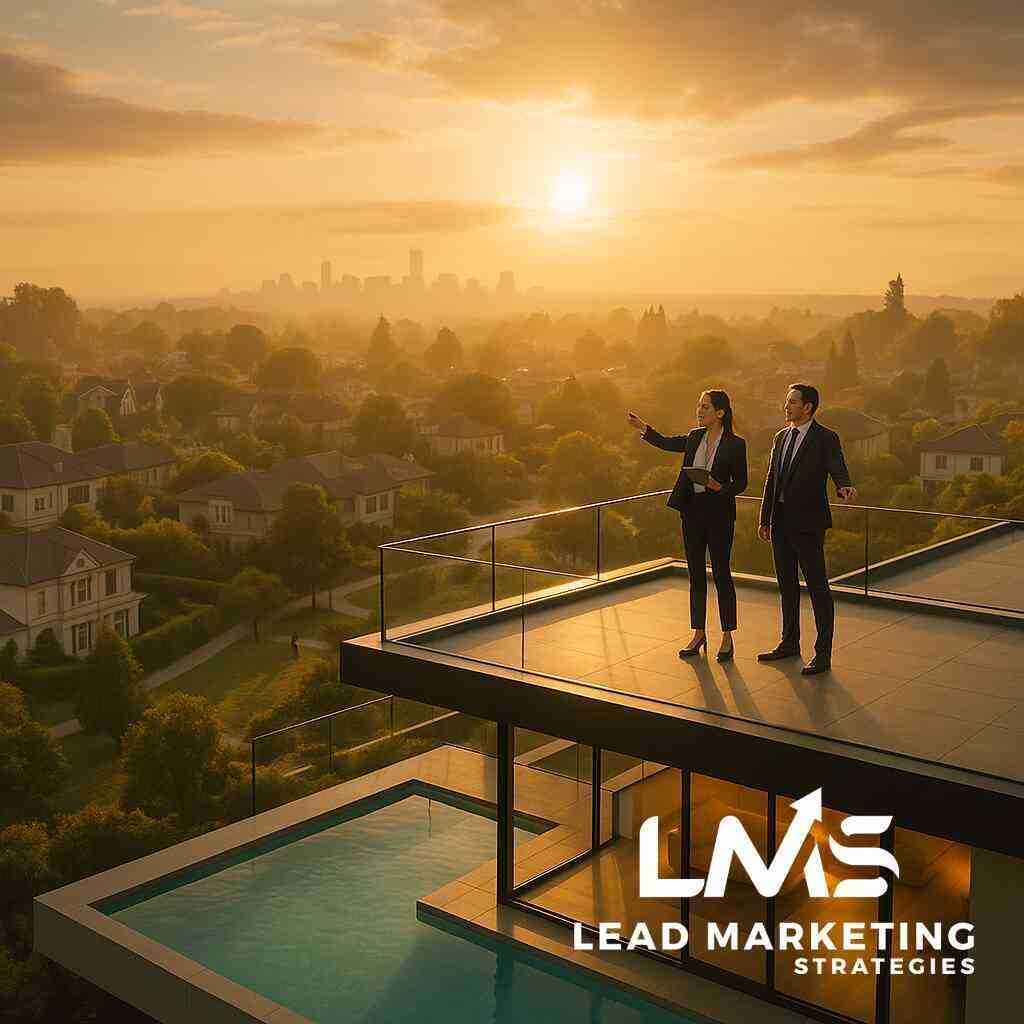
Win the Neighborhood Before the City
Effective real estate marketing starts at street level. Buyers want confidence that a block fits their lifestyle, and sellers trust the agent who understands that micro-market better than anyone else. The ten strategies below show how to build that expertise into every channel you use in 2026, from search to social to the sidewalk.
1. Hyperlocal Keyword Mapping
Instead of aiming for broad phrases such as "homes for sale in Phoenix," cluster content around precise search intent:
- "mid-century ranches near Maple Grove Park"
- "townhomes walking distance to Harbor Light Station"
- "two-story homes in Briarwood Heights school zone"
Develop separate pages or sections for each cluster. Internally link them back to a larger community hub page so search engines see you as the authority on that neighborhood. Add structured data (address, coordinates, school district) so voice assistants can surface your listings when someone asks, “Find a three-bedroom near Briarwood Heights Elementary.”
2. Google Business Profile Posting Cadence
Post twice per week with a mix of:
- Just-listed photos tagged to the exact street
- Short market snapshots (“Average days on market this month: 18”)
- Community highlights, whether it is the farmers’ market schedule or a new coffee shop opening
Consistency trains Google to treat your profile as a real-time bulletin board for that area, which boosts map-pack placement.
3. Drone-Level Storytelling
Aerial footage delivers context no slideshow can match. Use quick 30-second clips that start wide—showing parks, trails, and commuting corridors—then glide toward the featured property. Overlay captions that call out commuting minutes, school proximity, and neighborhood amenities so viewers immediately see lifestyle value.
Pro Tip
Shoot at sunrise or sunset for warm light and minimal traffic. Keep videos under one minute for social feeds and provide a silent, captioned version for users scrolling without sound.
4. Interactive Market Reports
Static PDFs are forgotten. Replace them with interactive dashboards that let visitors sort by price range, square footage, or days on market for their ZIP code. Most website builders now support embeddable charts. When homeowners can slice their own data, they are more likely to share contact details for a personalized valuation.
5. Lifestyle-First Social Ads
Design carousel ads that lead with lifestyle imagery—dog walking paths, neighborhood cafés, running trails—before revealing the property interior. Pair each frame with micro-copy such as “Five-minute stroll to Riverside Dog Park” to spark emotional connection. Cost-per-click drops when viewers see everyday scenes they recognize.
6. Geo-Fenced Open House Invites
Set a tight geo-fence (one to two miles) around the listing address. Deliver mobile ads announcing the open house to residents and commuters passing through that zone. Include directions, date, and a one-tap link to add the event to a calendar. The audience is small but highly relevant, and spend is minimal compared with city-wide targeting.
7. Local Influencer Walk-Throughs
Micro-influencers—think neighborhood food bloggers or school PTA presidents—often have more trust than large city influencers. Invite them to a first-look walk-through and let them share real-time impressions on Stories or Reels. Provide key talking points (school ratings, architectural details) but allow authentic commentary. Their hyperlocal followers are exactly the buyers who want area insights.
8. Automated, Human-Tone Follow-Ups
Combine a CRM with natural-language templates that feel like genuine check-ins:
- Day 1: “Thanks for touring Elm Street. Let me know what you thought about the backyard size.”
- Day 3: “Here’s a quick comparison of last night’s tour with similar homes sold this month.”
Opt for short messages signed with your name. Automation keeps you consistent, while the conversational tone maintains trust.
9. Review Generation Flywheel
After closing, send homeowners a single link that opens to a landing page with buttons for Google, Zillow, and Facebook reviews. Display three sample prompts so clients know what to mention: negotiation skill, local knowledge, and smooth closing. Timely, guided requests multiply positive feedback, which in turn boosts search visibility and conversion rates.
10. Community Education Series
Host quarterly workshops—virtual or in person—covering topics like “Understanding Your 2026 Property Tax Assessment” or “Eco-Upgrades That Boost Resale Value.” Record each session, slice highlights into two-minute clips, and distribute across YouTube, Instagram, and LinkedIn. Educational content positions you as the advisor, not just a salesperson.
Putting It All Together
Hyperlocal focus compounds. Each neighborhood article, drone clip, or influencer post signals to both algorithms and residents that you are the go-to source for that micro-market. Implementing even three or four of these tactics will raise your visibility; executing all ten creates a self-reinforcing system that attracts sellers, informs buyers, and keeps your pipeline steady regardless of broader market shifts.
Treat this list as a menu rather than a mandate. Start where you have momentum—maybe you already capture drone footage or maintain a strong Google profile—then layer on other strategies. By anchoring every campaign in neighborhood data and lifestyle storytelling, you convert local trust into long-term market share.
Ready to deepen your hyperlocal presence? Pick one tactic to deploy this week and measure the first results. Small, consistent actions win the neighborhood—and the city will follow.
Guide to Top 10 Real Estate Marketing Strategies Near You


Comments
Post a Comment