Engineering Marketing Pipelines: 2026 Playbook for Velocity
Engineering Marketing Pipelines: 2026 Playbook for Velocity
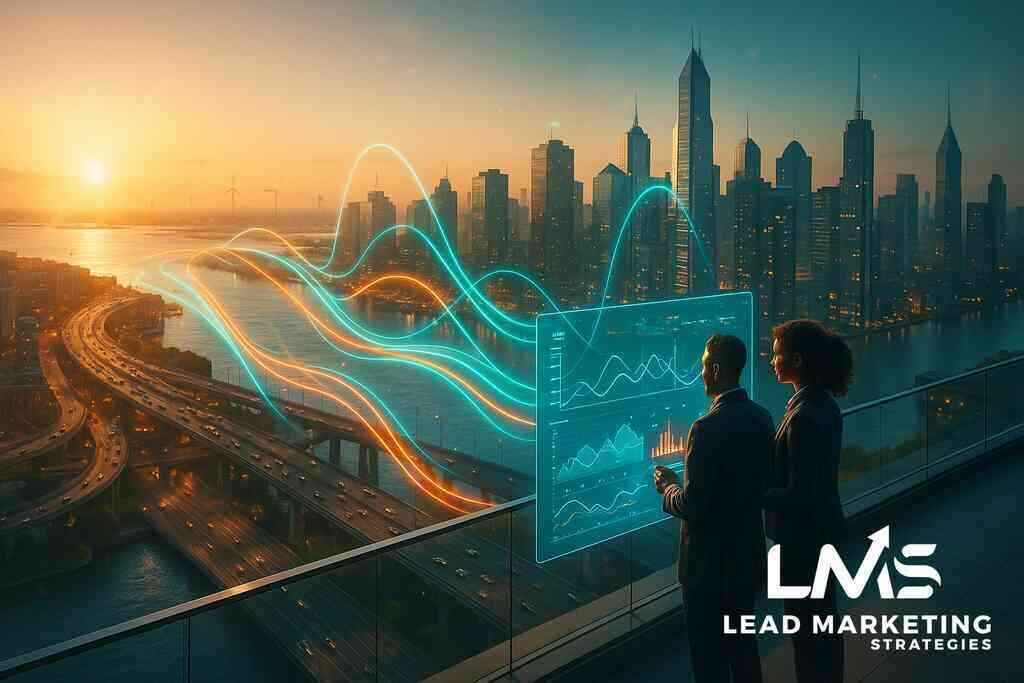
Modern buyers do not move through neat, one-way funnels anymore. They pause, backtrack, jump channels, and expect every touchpoint to remember where they left off. An engineered marketing pipeline meets that reality by treating engagement like fluid energy—always in motion, always measurable. This guide outlines how to design, monitor, and continuously improve a pipeline so prospects flow naturally toward revenue.
1. From Static Funnel to Dynamic Pipeline
Traditional funnels assume gravity: ads push prospects downward until they buy or drop out. A pipeline swaps that mindset for flow control. Each stage acts like a valve you can open, close, or redirect according to real-time feedback.
Key advantages:
- Bidirectional movement – Visitors can explore resources in any order without losing context because behavior is logged centrally.
- Lateral data signals – Activity on social, chat, and email enriches profiles instead of being siloed.
- Agile optimization – Small design tweaks reveal immediate effects on speed and friction, making it easier to iterate every week, not every quarter.
2. Setting Velocity Objectives
Velocity is the measurable time it takes a contact to move between predefined moments of value (ad click ➜ demo request, whitepaper view ➜ pricing page, etc.). Establishing benchmarks turns abstract goals into actionable targets.
Steps to follow:
- Map critical waypoints – Identify the five to seven interactions that reliably precede a closed deal.
- Assign time goals – Decide how quickly an ideal prospect should travel between those waypoints. Keep targets ambitious yet realistic.
- Tie speed to dollars – Calculate how each hour or day saved impacts acquisition cost and lifetime value. This connection keeps teams aligned on why velocity matters.
- Instrument dashboards – Use a single analytics view that surfaces stalls automatically so marketing or sales can intervene before momentum disappears.
3. Aligning Brand Awareness With Data Signals
Awareness campaigns often feel disconnected from hard metrics, yet they supply the raw material a pipeline needs: engaged visitors. Bridging the gap requires discipline.
- Consistent Creative Framework – Headlines, color palettes, and tone should echo across display ads, blog articles, and social clips so a mid-funnel retargeting message feels like the natural next chapter, not a new story.
- Source Tagging – Every asset carries tracking parameters that feed a first-party repository. Over time, patterns emerge showing which themes accelerate downstream stages.
- Feedback Loops – Creative teams review performance weekly and refine concepts based on real user behavior, not intuition.
4. Building an AI-Ready Data Core
A smart pipeline depends on unified, clean data. That starts with thoughtful customer-relationship-management (CRM) architecture.
Smart CRM Integration
- Event Streaming – Website clicks, form fills, ad impressions, and offline touches stream into the CRM in near real time.
- Privacy by Design – Consent flags and communication preferences live alongside behavioral data so personalization never violates trust.
- Single Source of Truth – Sales, marketing, and service teams view identical records, eliminating version control headaches.
Predictive Conversion Analytics
Machine-learning models use the unified data set to predict purchase likelihood. Practical guidelines:
- Begin with a simple model based on recency, frequency, and monetary proxies. Complex features can come later.
- Retrain weekly so the model adjusts for seasonality, promotions, or economic shifts.
- Send high-probability alerts directly to account executives via the CRM or internal chat—making insights actionable, not academic.
5. Advanced Lead Scoring for 2026
Static point totals miss context. A modern scoring system updates continuously and respects intent depth.
Factors worth weighting:
- Content Depth – A 10-minute webinar watch signals more commitment than a 15-second reel view.
- Device and Channel – Desktop research often precedes formal evaluation; mobile browsing may indicate early curiosity.
- Search Modality – Voice queries that include urgency cues ("near me tonight") deserve immediate follow-up.
- Temporal Clustering – Multiple actions within a short window elevate urgency more than isolated touches spread across weeks.
Scores should decay gracefully. If a hot lead turns silent, points taper so sales automation respects the prospect’s current mindset.
6. Conversational Qualification at Scale
Chatbots have matured beyond FAQ widgets. In 2026 they function as real-time qualification engines.
- Natural Language Routing – The bot categorizes needs (support, pricing, enterprise consultation) and triggers the right branch.
- Progressive Profiling – Instead of demanding all details upfront, the bot gathers two or three new facts per interaction, keeping friction low while enriching the CRM.
- Human Hand-Off Logic – When budget, authority, or timeline signals exceed thresholds, the bot invites a live rep instantly.
Result: visitors feel heard, and pipeline data stays current without overwhelming sales staff.
7. Continuous Improvement Framework
A pipeline is never finished. Adopt an iterate-measure-optimize loop:
- Hypothesize – Identify a single friction point (e.g., drop-off between trial sign-up and first login).
- Implement a Micro-Test – Adjust copy, layout, or nurture timing for a subset of traffic.
- Measure Velocity Change – Monitor how quickly the test cohort advances compared to control.
- Roll Out or Revert – Expand successful experiments; shelve underperformers.
Maintaining this rhythm builds a culture of evidence-based growth over gut-feel tactics.
8. Key Takeaways
- Treat engagements like flowing energy, not falling objects.
- Define clear time-bound objectives between meaningful milestones.
- House all behavioral, demographic, and consent data in one privacy-first system.
- Let machine learning update lead scores continuously so sales energy stays focused.
- Use conversational AI to qualify and route prospects while capturing fresh insights.
- Protect velocity with an ongoing test–and-learn cadence.
Engineered pipelines are not simply upgraded funnels. They are living ecosystems where data, creative, and technology converge to nurture each contact efficiently. By applying the principles above, teams can increase retention, lower acquisition costs, and build a marketing engine ready for whatever new channel or consumer behavior emerges next.
Engineering 2026 Pipelines with Lead Marketing Strategies


Comments
Post a Comment