Winning Email Marketing Tactics for 2026 Lead Growth
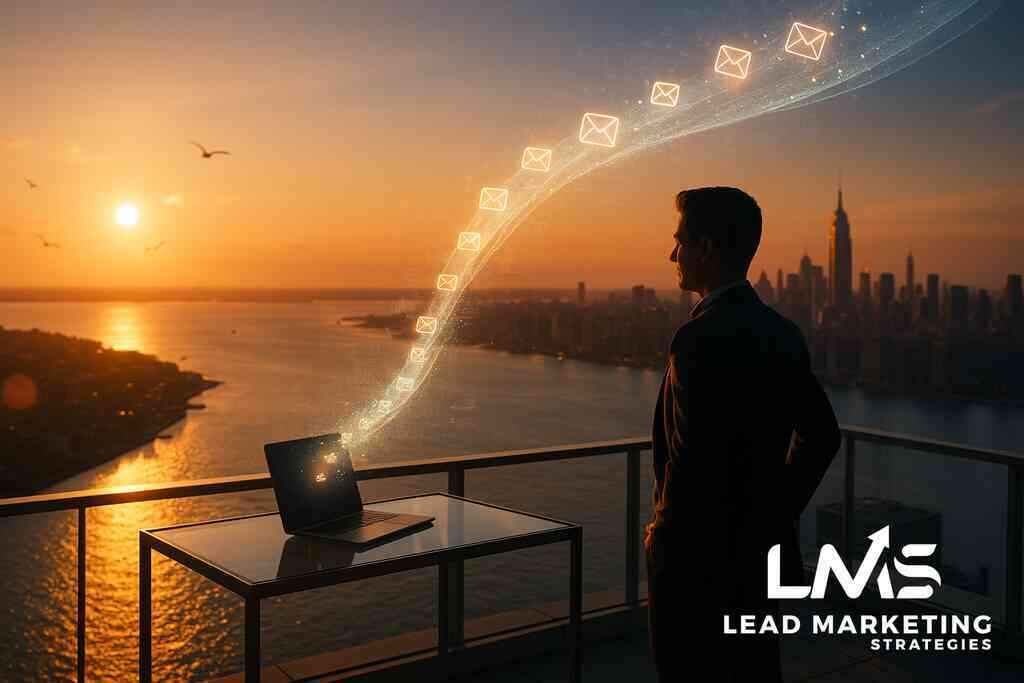
Email Marketing That Still Delivers in 2026
Email has been pronounced “dead” more times than most channels, yet it keeps outperforming flashier alternatives. This guide looks at why the inbox remains a revenue engine and how to sharpen your program for stronger brand awareness and lead generation this year.
1. Inbox Control Beats Algorithm Uncertainty
Social platforms change rules without notice. Search results swing with every core update. In contrast, a permission-based list gives you direct, reliable access to prospects. A message can sit in a subscriber’s pocket for hours—or days—until the moment feels right to read and click. That extended visibility is hard to replicate elsewhere.
Key advantages:
- Owned asset – You are not renting reach from an outside platform.
- Predictable costs – Sending a thousand or a million emails changes the budget by pennies, not dollars.
- Granular measurement – Open, click, and revenue data tie activity to outcome, so ROI conversations are clear.
2. Set Crystal-Clear Objectives Up Front
Before writing a single subject line, map exactly what each sequence should accomplish. A welcome series that builds trust needs different content, pacing, and calls-to-action than a flash-sale blast.
Typical objectives and matching approaches:
| Goal | Recommended Email Structure |
|---|---|
| Brand awareness | Story-driven newsletters, light CTAs, consistent cadence |
| Lead nurturing | Multi-step drip over 2–4 weeks, escalating value gates |
| Immediate revenue | Time-boxed promotion, urgency language, cart-level segmentation |
| Re-engagement | “We miss you” campaigns, preference updates, sunset logic |
Choosing the goal first makes every creative decision easier: topic, design, send time, and even list slice.
3. Leverage Segmentation Like a Genome Map
Batch-and-blast is the fastest route to unsubscribes and spam complaints. Modern ESPs let you segment by dozens of signals—from purchase history to page views to survey answers. The more precise the slice, the more relevant the message.
Best-practice playbook:
- Start with simple splits. Break the master list by life-cycle stage (lead, active client, lapsed client).
- Layer behavior. Add triggers such as “clicked any pricing link” or “watched 50% of demo video.”
- Maintain hygiene automatically. Run daily removal of hard bounces, role accounts, and known complainers to protect sender reputation.
- Use zero-bounce protocols. Verify new opt-ins in real time before they ever reach the main list.
4. Personalization Now Goes Beyond "Hi, First-Name"
Artificial intelligence inside most leading ESPs can predict optimal send times, suggest the product image a recipient is most likely to click, and even reorder content blocks on the fly. When combined with solid segmentation, these micro-experiences lift conversion by double digits.
Practical steps:
- Feed purchase, browsing, and support data into your ESP so the AI has a full view.
- Test image variations alongside copy; sometimes a different color palette outperforms a new headline.
- Review personalization reports weekly and override anything that feels off-brand.
5. Tie Social Insights Back to Email
Your social channels generate continual intent signals. Import that data to fine-tune email messaging:
- High-engagement posts reveal topics worth expanding in newsletters.
- Recent followers can jump straight into a welcome series rather than waiting for the next batch send.
- Negative sentiment flags segments to suppress temporarily while issues are resolved.
The result is a seamless, omnichannel narrative where prospects see consistent creative whether they scroll, tap, or open.
6. Deliverability: The Unsung Hero
An award-winning design is meaningless if it lands in spam. Sustainable deliverability rests on four pillars:
- Clean list (see Section 3)
- Steady cadence – Avoid sudden volume spikes that alarm inbox providers.
- Authentication – Ensure SPF, DKIM, and DMARC records pass.
- Content quality – Maintain a healthy text-to-image ratio, minimal spam keywords, and accessible HTML.
Monitor inbox placement alongside opens. If a segment trends toward the promo tab or worse, adjust quickly.
7. Timing and Cadence Recommendations
There is no universal “best time,” but data across thousands of campaigns points to patterns:
- Weekday mornings, 9–11 a.m. local time often score higher open rates for B2B.
- Sunday evening can work well for consumer brands as people plan their week.
- Drip sequences should respect inbox fatigue—think one message every 2–3 days unless urgency is high.
Run A/B tests on send-time optimization every quarter because audience behavior shifts with seasons and work patterns.
8. Simple Metrics That Matter
Plenty of dashboards drown teams in vanity stats. Focus on these core numbers:
- Open rate – Still useful, especially relative to your own baseline.
- Click-to-open rate (CTOR) – True measure of message quality once the email is viewed.
- Conversion rate – The only metric the finance team truly cares about.
- List growth versus attrition – Tells whether the program is sustainable.
Track month-over-month changes and annotate major tests so insights do not get lost.
9. Action Checklist
- [ ] Define campaign objective and matching funnel stage.
- [ ] Refresh segmentation rules and suppression lists.
- [ ] Draft subject lines using a curiosity + clarity formula.
- [ ] Build mobile-first templates with accessible fonts and tappable buttons.
- [ ] QA on multiple devices and dark mode before scheduling.
- [ ] Review deliverability reports after each send and adjust content or cadence if needed.
Conclusion
Email’s strength in 2026 is not nostalgia—it is the combination of ownership, precise targeting, and measurable impact. By pairing disciplined list hygiene with AI-driven personalization and cross-channel insights, marketers can turn every send into a purposeful interaction that moves a prospect closer to becoming a loyal customer. Use the tactics above as a framework, iterate relentlessly, and watch your inbox performance excel.
Email Tactics Excel Via Lead Marketing Strategies Insight


Comments
Post a Comment