Unifying HVAC & Plumbing Marketing for More Local Leads
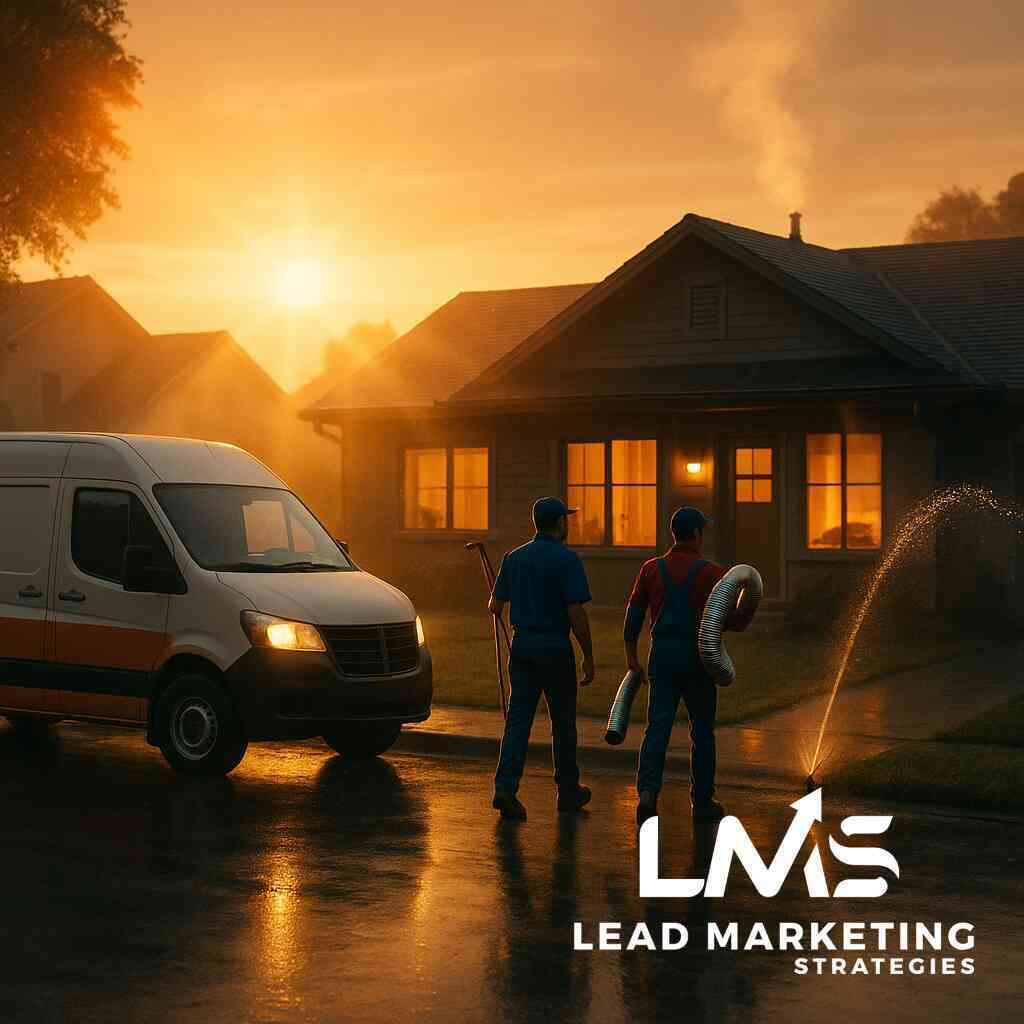
Why Combining HVAC and Plumbing Campaigns Works
Home-service companies that treat heating, cooling, and plumbing as one continuous comfort story find it easier to win attention and trust. This guide explains how an integrated approach sharpens local visibility, lowers ad waste, and raises ticket value without ballooning the budget.
One Brand, Two Trades, Single Promise
Customers rarely think in trade silos. They simply want reliable air and water. When your brand promise centers on whole-home comfort instead of a single system, every touchpoint reinforces the same core idea:
- Healthy, conditioned air
- Safe, efficient water supply and drainage
- Fast, dependable emergency response
Aligning color palettes, logos, truck wraps, and technician uniforms around that promise builds instant recognition—whether a tech is fixing a furnace or replacing a water heater.
Shared Keyword Strategy for Local Search
Search engines see the overlap between HVAC and plumbing queries. A pipe leak and a frozen heat pump often share the same sense of urgency, intent, and geography. Unifying SEO efforts allows you to:
- Target broader clusters such as “home comfort repair near me” alongside specific phrases like “sewer line replacement” or “AC not cooling.”
- Re-use location pages across both trades, minimizing duplicate content while strengthening map-pack signals.
- Capture cross-service backlinks from local blogs, chambers of commerce, and supplier directories.
Practical Steps
- Audit existing content for overlaps. Merge thin articles and redirect duplicate URLs.
- Add plumbing FAQs to HVAC seasonal pages (and vice-versa) to keep them fresh year-round.
- Encourage technicians to ask for reviews that mention both services. Star-rich citations boost authority across categories.
Coordinated Pay-Per-Click Campaigns
Running separate ad accounts usually doubles management fees and splits data insights. A joint PPC strategy lets you:
- Rotate budget automatically toward whichever trade has peak seasonal demand.
- Test ad copy that references the convenience of one call for any comfort issue.
- Apply geo bid adjustments learned from one service to the other—reducing guesswork.
Quick Win Ad Extensions
- Callout: “Licensed HVAC & Plumbing Pros”
- Structured snippet: “Heating | Cooling | Drain Cleaning | Water Heaters”
- Location: Highlight the same headquarters and service radius to reinforce proximity.
Content That Mirrors the Customer Journey
A homeowner researching an energy-efficient furnace may also wonder whether an old water heater is inflating utility bills. Your website should make that exploration effortless:
Recommended Page Flow
- Blog post on lowering winter energy costs →
- Inline link to a calculator comparing furnace efficiency →
- Side-bar promotes tankless water heater guide →
- Unified contact form offering both a heating tune-up and a plumbing inspection.
Interactive tools (savings calculators, drip rate estimators, IAQ quizzes) encourage longer sessions and demonstrate expert knowledge across both disciplines.
Leveraging Service Calls for Cross-Selling
Technicians are natural marketers because they spend time inside the customer’s home. Provide them with simple checklists and talking points:
- While repairing a leaky faucet, note the age of the water heater and nearby air-handler.
- Offer a bundled maintenance plan that covers annual plumbing inspections plus HVAC tune-ups.
- Use mobile apps to flag follow-up opportunities in the CRM so office staff can send well-timed recommendations.
Customers appreciate proactive advice when it feels educational rather than salesy. Framing suggestions around safety, efficiency, and long-term savings keeps conversations helpful.
Data Sharing Between Departments
Marketing software can silo information if teams are not aligned. Create dashboards that blend KPIs from both trades:
- Lead Source Heat-Map – shows which ZIP codes generate combined service requests.
- Seasonality Overlay – compares plumbing emergencies to HVAC peaks; identifies shoulder-season gaps for promos.
- Lifetime Value – tracks revenue by household across multiple systems, revealing the true ROI of integrated marketing.
Regularly reviewing these visuals encourages strategic adjustments instead of knee-jerk budget shifts.
Brand Storytelling on Social Media
People scroll past generic repair photos. Spotlight stories that connect air and water in daily life:
- Time-lapse of a dual-certified tech swapping a sump pump and recalibrating a smart thermostat in one visit.
- Short reels explaining how humidity from a plumbing leak strains an AC unit.
- Customer testimonials describing the relief of calling one company for two emergencies.
Authentic, relatable posts humanize the brand and reinforce expertise across systems.
Building Community Authority
Partnerships amplify credibility. Consider hosting or sponsoring:
- Workshops on preventing frozen pipes and improving furnace efficiency ahead of deep-freeze season.
- Local charity projects installing water filters and HVAC air purifiers for at-risk families.
- Joint webinars with energy auditors or home-automation specialists, positioning your firm at the center of holistic home care.
Each initiative earns mentions in neighborhood newsletters and online forums, boosting organic visibility and trust.
Measuring Success of Integrated Efforts
Key metrics to track include:
- Increase in households purchasing services from both departments.
- Cost per acquisition before and after merging campaigns.
- Growth in average ticket size for combined service calls.
- Map-pack ranking improvements for primary keywords in both niches.
Set quarterly benchmarks, then refine creative, bidding, and content sequencing based on real outcomes, not assumptions.
Final Takeaway
Merging HVAC and plumbing marketing is more than a cost-saving exercise. It aligns your brand with how homeowners actually think about comfort—holistically. By unifying messaging, search tactics, ad budgets, and field operations, you create a seamless experience that customers remember when emergencies strike. The result is stronger local authority, steadier lead flow, and healthier profits despite a crowded marketplace.
Strategic integration takes planning, but the payoff in 2026’s competitive landscape is hard to ignore. Consider starting with one shared campaign, measure the lift, then roll synergy into every channel you manage.
Developing Synergies Between HVAC and Plumbing Marketing


Comments
Post a Comment