Proven NFT Marketing Strategies: Data, Story, Community
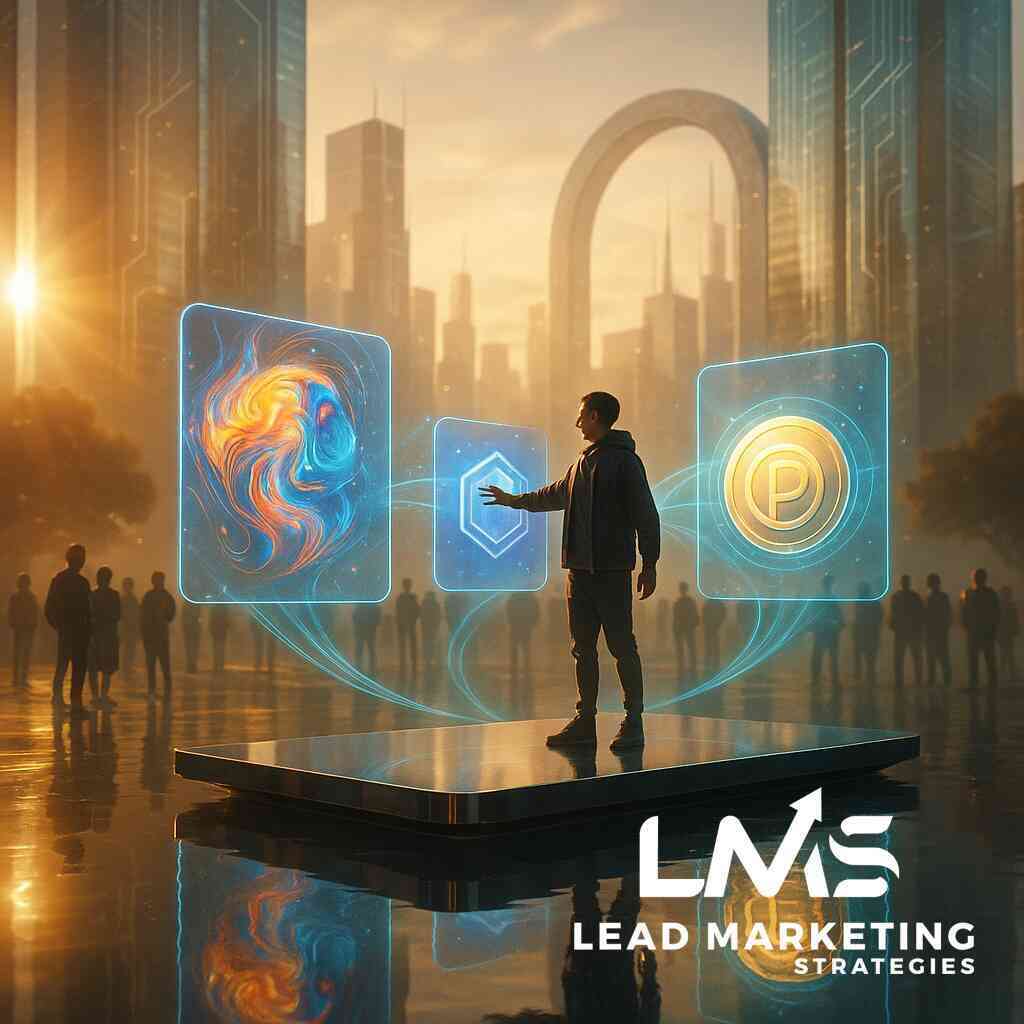
Mastering NFT Marketing in 2026
Non-fungible tokens have matured beyond experimental JPEGs. Collectors, brands, and creators now expect polished marketing that blends Web3 mechanics with classic storytelling and data-driven decision-making. This guide breaks down current best practices so your next drop launches with clarity and long-term value.
1. Lead With a Compelling Narrative
A memorable story still outperforms raw rarity charts. Before discussing supply or mint price, define the lore that will anchor the collection.
- Origin and Purpose – Explain why the artwork exists and what cultural or social idea it champions.
- Character or World Building – Use short lore snippets, motion teasers, and behind-the-scenes sketches to make collectors feel part of an evolving universe.
- On-Chain Permanence – Embed key story beats directly into token metadata. Future buyers then inherit the full narrative without digging through old social posts.
Why It Works
A shared storyline increases emotional investment, which in turn raises hold time and word-of-mouth promotion. Communities will retell the mythos in Discord, Twitter-like networks, and metaverse meetups, lowering your paid-media burden.
2. Map the Launch in Three Sprints
Breaking the rollout into clear phases prevents hype fatigue and reduces technical mishaps.
- Pre-Mint
- Announce supply, utility, and roadmap.
- Track wait-list conversions, wallet connections, and social sentiment daily.
- Adjust content cadence if engagement dips for 48 hours.
- Mint Day
- Stagger access windows (OG, allow-list, public) to avoid gas spikes.
- Monitor live dashboards for failed transactions and resolve quickly in Discord.
- Post-Mint
- Release immediate utility (e.g., token-gated channels or downloadable assets).
- Publish a transparent burn or expansion schedule to control supply over time.
3. Use Data to Allocate Spend, Not Gut Feelings
Hype alone is fragile. Feed real analytics into every budget decision.
- Heat-Map Dashboards – Plot which audience cohorts care most about art utility versus speculative flips.
- Attribution Windows – Because mints often require multiple touchpoints, measure conversion over a seven-day view, not last-click.
- Iterative Creative Testing – Swap banners, headlines, and thumbnail angles every 24–48 hours until click-through stabilizes.
When metrics deviate from benchmarks (e.g., a 20 % dip in landing-page dwell time), pause spend and refine messaging before resuming.
4. Craft Utility That Rewards Loyalty
Collectors now judge NFTs by ongoing benefits as much as by art quality.
Practical Utility Options
- Token-Gated Spaces – Private voice channels, premium newsletters, or VR galleries.
- Governance Rights – Weighted votes on future airdrops or merchandising.
- Shared Royalties – Smart contracts that automatically split a portion of secondary sales with holders.
- Phygital Perks – Limited-edition prints or event tickets redeemed through token ownership.
A transparent benefits calendar keeps expectations realistic and participation high.
5. Optimize Marketplace Presence
Even top collections lose momentum when listings look generic. Apply conversion-rate thinking to your storefront.
- Use consistent banner art and copy that echoes the brand promise.
- Order traits so the rarest or most visually striking appear first in filters.
- Pin a featured item with a short story snippet to orient first-time shoppers.
- Review floor pricing twice weekly to avoid race-to-zero scenarios.
6. Go Cross-Chain Without Splintering Community
Listing on multiple chains widens reach but can confuse holders. Maintain cohesion by:
- Using a single Discord or forum with chain-specific channels.
- Posting mirrored announcements at the same time across all supported networks.
- Keeping royalty logic identical so secondary-market incentives stay aligned.
7. Integrate Influencers the Right Way
Influencer marketing still converts, provided collaboration feels authentic.
- Select by Alignment, Not Follower Count – Micro-creators with genuine NFT expertise often deliver higher wallet conversions.
- Provide Early Access, Not Scripted Shills – Allow them to explore the artwork and craft their own narrative.
- Track Wallet-Based Conversions – Create unique mint links so you measure actual buyers, not just impressions.
8. Sustain Engagement After the First 30 Days
The largest value dip for many collections happens one month after mint. Prevent it with:
- Content Drip – Weekly lore expansions or art variants.
- Interactive Events – Holder AMAs, virtual gallery tours, or co-creation contests.
- Transparent Milestone Tracking – Publicly update roadmap checkboxes and treasury balances.
Key Takeaways
- Storytelling is the anchor; weave it into on-chain data so it never fades.
- Treat your launch like a software sprint: test, measure, iterate fast.
- Provide tangible, dated utility. Ownership must unlock meaningful privileges.
- Optimize every marketplace element; thumbnails and trait order drive discovery.
- Keep community communication central even when distributing cross-chain.
Approach NFT marketing with the rigor of product management and the heart of creative storytelling. Combine those disciplines and each new release can grow into a self-sustaining ecosystem rather than a short-lived hype cycle.
Exploring Best Practices for NFT Marketing Strategies Today


Comments
Post a Comment