NY Fashion Ecommerce Trends: Agile Marketing Strategies 2026
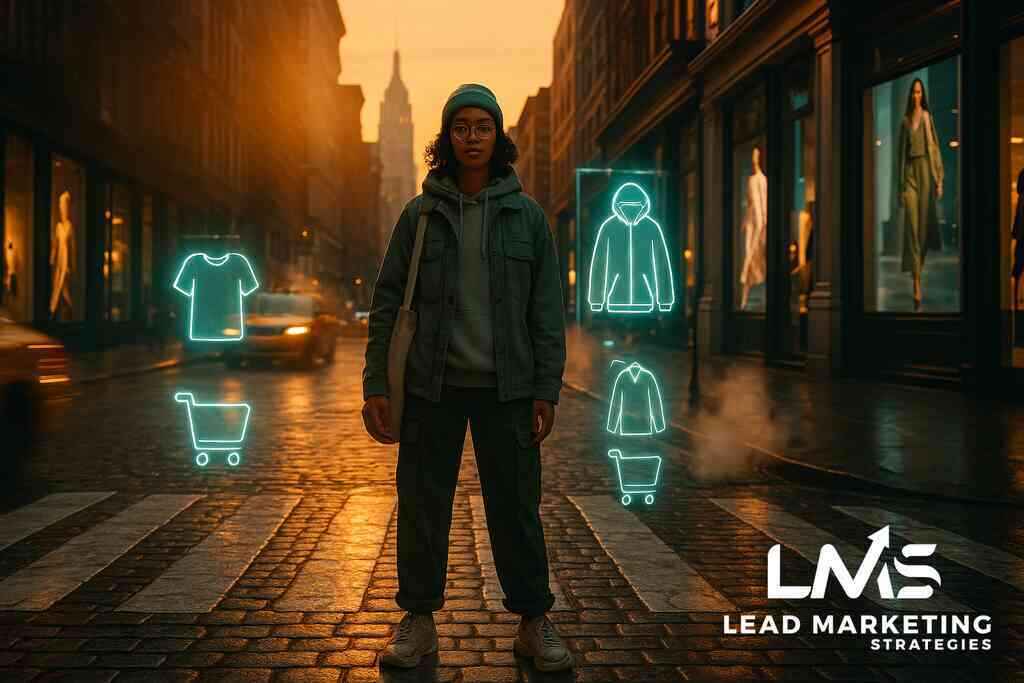
Why New York Sets the Pace for Fashion Ecommerce
New York’s fashion scene has always dictated what the rest of the world wears, but in 2026 its influence is carried even faster through ecommerce. From Gen Z’s mobile-first habits to hyper-local search tactics, the city’s retailers cope with trend cycles measured in hours, not seasons. This overview breaks down four forces now shaping how New York brands attract, convert and retain digital shoppers.
1. Gen Z Scroll Shopping and the Compressed Funnel
Gen Z consumers treat a social feed like a department store: discovery, product education, and checkout all happen on one screen. New York labels answer with:
- Shoppable short-form video that places a one-tap “buy” button over the look the moment it appears.
- Mobile wallets pre-loaded at account creation so the customer never re-enters payment data.
- SMS or in-app order updates that arrive within minutes, extending the quick experience into post-purchase.
The upside is a higher add-to-cart rate and shorter decision window. The risk is fickle loyalty. Brands that flourish keep a stable visual identity while refreshing storytelling weekly—sometimes daily.
Pro tip: Align new-arrival drops with the city’s cultural calendar. When Tribeca Film Festival crowds populate everyone’s feed, adjust creative to reference red-carpet dressing or street-style paparazzi shots. Timeliness signals relevance and increases click-through.
2. Hyperlocal SEO: Turning Street Corners Into Search Terms
Shoppers hunting for “Soho vintage denim” or “Williamsburg eco sneakers” are ready to purchase—often within walking distance. Boutique owners improving hyperlocal SEO typically:
- Create individual location pages that include neighborhood descriptors, nearby landmarks, and original photography.
- Keep Google Business listings updated with hours, holiday events, and fresh customer images.
- Embed review snippets and Q&A schema to qualify for the coveted three-pack on mobile map results.
Micro-influencers amplify the effort. A Brooklyn stylist posting a daily Reel from outside the store supplies authentic backlinks and geo-tagged social proof. Smaller audiences here matter more than follower count; relevance and proximity boost both rankings and footfall.
Site hygiene still underpins everything. Even the best geo keywords will not perform if a page loads slowly on cellular data. Minify code, compress product shots, and test pages in subway-level reception to mimic real conditions.
3. Real-Time Trend Forecasting Enables Seasonless Inventories
The old design calendar can’t keep up with New York’s micro-trend churn. Retailers adopt AI dashboards that ingest search spikes, social chatter, and even weather shifts. The result:
- Patternmakers tweak silhouettes mid-cycle instead of waiting six months.
- Media buyers reallocate pay-per-click budgets toward styles the model says will sell through quickly.
- Slow-moving SKUs trigger automatic markdown emails or exclusive community offers, reducing dead stock.
For example, a forecasted rainy streak might increase demand for lightweight trenches. When the software notes both storm alerts and a celebrity appearance in a similar coat, the ecommerce team launches a same-day “city shower chic” campaign—often before competitors realize the spike.
4. Social Commerce Becomes the Always-On Runway
New York Fashion Week once dominated the style conversation for seven days. In 2026, every livestream, carousel ad, or AR filter is its own mini-runway:
- Brands schedule Instagram Live showcases where viewers can add garments to cart as a host answers fit questions in real time.
- TikTok pulse ads display tagged products directly under viral clips of models hailing cabs on Fifth Avenue.
- Virtual try-on lenses let shoppers see a sneaker on their foot or a jacket on their shoulders before they leave the platform.
User-generated content (UGC) completes the loop. Labels encourage customers to shoot “day in the life” clips wearing recent purchases. The best clips enter a weekly highlight reel, rewarding contributors with early access codes while giving the brand a steady feed of authentic assets. The effect is exponential: each post drives fresh traffic, which in turn supplies new UGC, fueling the next campaign.
Practical Takeaways for 2026
• Compress every stage of the funnel into one screen tap—Gen Z demands it.
• Optimize product pages for neighborhood search terms and maintain perfect technical hygiene.
• Let real-time data, not historical seasons, guide inventory and ad spend.
• Treat social video as both runway and checkout; integrate live interaction to cut returns.
Adopting even one of these tactics moves a brand closer to New York’s digital pace. Combining all four creates a feedback loop where data, creativity, and community reinforce each other daily. In a city where trends transform overnight, that agility is the difference between a fleeting look and a lasting business.
NY Fashion Ecommerce Trends by Lead Marketing Strategies


Comments
Post a Comment