NFT Marketing Strategies Driving Contemporary Art Sales
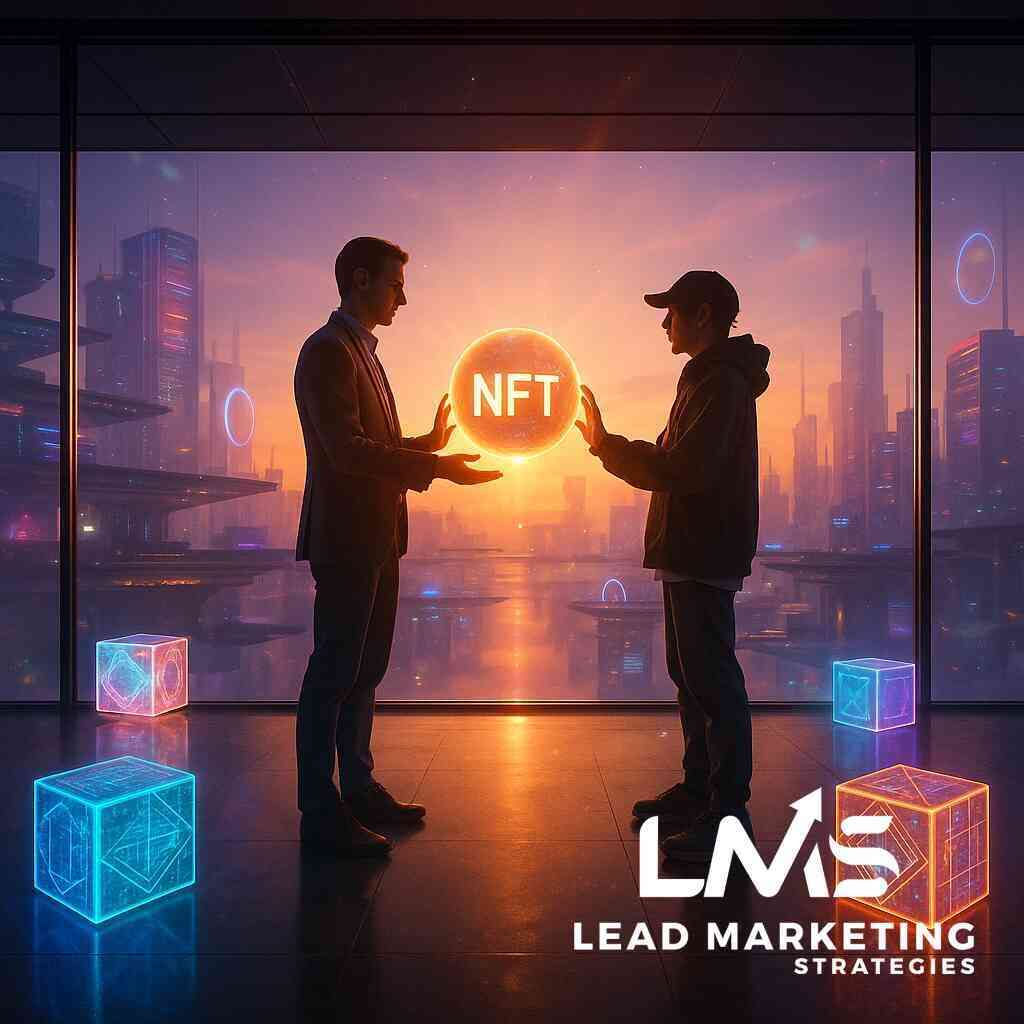
Why NFT Marketing Matters for Contemporary Art
Non-fungible tokens have changed how collectors discover, value, and trade contemporary art. Effective NFT marketing strategies now sit at the center of that shift. This guide explains the key tactics that move the needle in 2026, from storytelling around provenance to fractional ownership funnels.
1. Valuation in the Attention Economy
Online attention is scarce. Collectors scroll hundreds of images before making a single bid. Clear valuation messaging keeps them from scrolling past your work.
- Eight-second hook – Banner text, social thumbnails, and meta descriptions should convey the artwork’s concept, edition size, and future benefits within a few seconds.
- Data-backed claims – Embed real‐time floor-price widgets or recent sales stats on landing pages. Transparency builds confidence without hype.
- Narrative depth – Once a visitor clicks, long-form copy and short artist videos deepen emotional resonance. The combination of numbers and narrative turns curiosity into trust.
Practical tip
Create a two-layer page: a fast “above the fold” summary for scanning, followed by expandable sections with process photos, artist statements, and roadmap details.
2. Turning Blockchain Provenance into a Story
The ledger already provides proof of ownership. Marketing turns that raw data into a compelling story of origin, journey, and cultural relevance.
- Timeline visuals – Infographics that map each transfer and royalty payout make the invisible ledger tangible.
- Museum language – Terms like provenance, edition, and archival standards reassure traditional buyers who value conservation.
- Eco positioning – If minting uses a low-energy chain or carbon offsets, mention it early. Ethical credentials are now part of perceived value.
Practical tip
Pair every drop with a simple “Provenance Card” graphic—date minted, smart-contract address, prior sales. Share it on social and in press kits.
3. Scarcity Without Manufactured Hype
Rarity is effective only when collectors believe in the cultural importance of the work.
- Set the edition size based on concept, not marketing buzz.
- Explain why the limit exists (e.g., mirrors a finite series of physical sketches).
- Highlight future access: token-gated studio visits, Discord AMAs, or metaverse exhibition seats. Scarcity feels meaningful when ownership unlocks experiences.
Practical tip
Avoid countdown timers that push panic. Instead, show a live collector feed that displays genuine demand as pieces sell.
4. Speaking to Two Distinct Buyer Mindsets
Crypto-native Collectors
- Grew up with digital ownership; prefer wallet-based authentication.
- Respond to on-chain analytics, roadmaps, and DAO governance rights.
- Gather on X, Discord, and Lens rather than gallery newsletters.
Traditional Art Patrons
- Value critical acclaim, provenance, and conservation framing.
- Prefer curated emails, fair booths, and print catalogues.
- Often need onboarding help for wallets or fiat-to-crypto ramps.
Bridging Tactics
- Segmented copy – One press release can use museum language, while a parallel thread on Lens highlights royalty splits and governance votes.
- Consistent branding – Color palette, logo, and tone stay uniform across both campaigns. Only the framing shifts.
- Hybrid events – Host a physical preview with QR codes that open to the NFT page. Attendees experience the work offline, then mint online.
5. Fractional Ownership and DAO Fundraising
High-value pieces can be split into thousands of micro-shares, expanding access and building community advocacy.
- Educational assets – Short reels and static slides explain how fractional tokens represent equity, voting power, and potential resale proceeds.
- Clear governance rules – Outline how proposals are submitted, how often votes occur, and how royalties flow. Simplicity converts skeptics.
- Exit clarity – Show secondary market liquidity paths so micro-shareholders understand how to cash out.
Practical tip
Start with a small percentage (e.g., 10 percent of the artwork) as a test. Early participants become ambassadors who spread the story for future releases.
6. Analytics That Drive Continuous Improvement
NFT marketing moves quickly. Real-time dashboards allow teams to pivot before a campaign stalls.
- On-chain metrics – Track unique wallets, average hold time, and secondary-sale velocity.
- Web analytics – Monitor time on page, scroll depth, and referral sources. A sudden spike from a podcast appearance can inform ad spend the same day.
- Community health – Qualitative signals like Discord engagement and meme creation often predict resale momentum.
Practical tip
Set automated alerts for wallet whales performing multiple buys. Personal outreach—such as a thank-you voice message—can cement loyalty.
7. Checklist for Your Next Drop
- Define edition size based on story, not scarcity for its own sake.
- Draft a two-layer landing page: quick facts up top, depth below.
- Design a provenance card graphic and distribute it everywhere.
- Segment email or social campaigns for crypto-native and traditional audiences.
- Produce a 60-second reel that explains any fractional or DAO component.
- Configure real-time dashboards and alerts before launch day.
Closing Thoughts
NFT marketing in 2026 is no longer a scramble for headline hype. It is a calibrated practice that blends data transparency, emotional storytelling, and community design. By respecting both the crypto-native mindset and the traditional collector worldview, contemporary artists can expand reach while preserving integrity. Focus on clear valuation, verified provenance, and ethical scarcity, and sales will follow as a natural outcome of trust—on-chain and off.
How NFT Marketing Strategies Influence Contemporary Art Sales


Comments
Post a Comment