Emerging NFT Marketing Strategies for 2026 Success
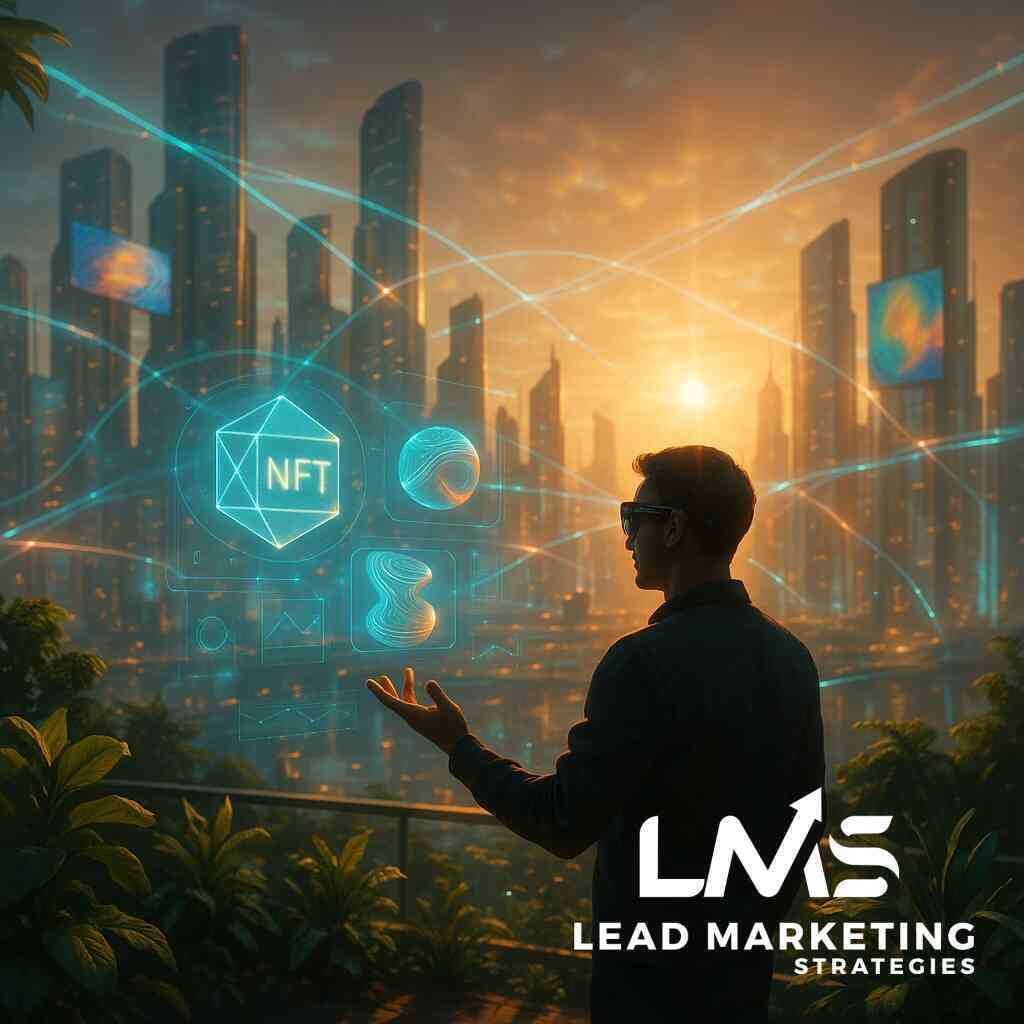
NFT marketing has matured rapidly, moving far beyond splashy launches and speculative hype. In 2026 the projects with lasting value treat every token as a living brand experience. This overview explores the key trends shaping today’s most effective NFT promotion plans and offers practical tips you can fold into your next drop.
1. Treat the Collection as a Long-Term Product
Short sell-outs look great on the surface but mean little if secondary activity fades within weeks. Leading teams now bake multi-year roadmaps into their whitepapers:
- Seasonal artwork or trait upgrades tied to on-chain events.
- Rotating token-gated benefits that refresh collector enthusiasm.
- Transparent treasury reports so holders see how revenue supports future utilities.
Building this product mindset early helps investors feel comfortable holding through market cycles, which supports healthier price discovery and community morale.
2. Data-Driven Storytelling With Predictive Analytics
AI tools ingest wallet movements, social sentiment, and even meme velocity to forecast when interest around a theme will spike. Practical uses include:
- Adjusting mint supply hours before launch if wait-list completion data is weak or unexpectedly strong.
- Sending personalized Discord or Lens messages nudging specific wallets that typically buy within certain price ranges.
- Timing lore reveals when algorithmic listening notes a jump in keyword mentions related to your collection’s narrative.
The result is a release that feels perfectly timed rather than forced.
3. Dynamic Rarity and Live Artwork Updates
Collectors increasingly expect traits that can evolve. Smart contracts now support conditional updates triggered by real-world data—sports results, weather, or on-chain governance votes. When executed well, dynamic rarity does three things:
- Keeps secondary sales active by introducing fresh combinations.
- Encourages social sharing as holders proudly show off newly morphed tokens.
- Provides baked-in campaign hooks for future announcements without minting new supply.
Tip: publish clear change rules inside the metadata to avoid accusations of stealth dilution.
4. Omnichannel Funnel Design
Housing all marketing on one platform leaves discovery on the table. Successful 2026 campaigns create an omnichannel journey that respects each venue’s culture:
- Short, high-energy teasers on Snap and TikTok to capture casual curiosity.
- Longer behind-the-scenes threads on Farcaster or Mirror for the crypto-native crowd.
- Token-gated microsites where holding the pre-mint pass unlocks deeper lore or mini-games.
Consistent voice across these touchpoints prevents confusion and steadily warms prospects toward mint day.
5. Responsible Innovation and ESG Signaling
Sustainability is no longer a footnote—it is built into the brand identity. Common practices this year include:
- Offsetting mint emissions through verifiable carbon credits.
- Publishing energy-use dashboards updating in real time.
- Allocating a percentage of royalties to social-impact DAOs voted on by holders.
These steps improve public perception and can open doors to institutional partnerships wary of greenwashing.
6. Cross-Chain Liquidity Without Fragmentation
Buyers are scattered across Ethereum, Solana, Base, and new layer-twos. Bridging a single collection can fracture liquidity, so modern launches often:
- Issue the genesis mint on a home chain with strong collector density.
- Mirror ownership on other chains using burn-and-mint or wrapped representations.
- Keep metadata in a unified IPFS folder so every copy references the same core asset.
This approach lets secondary demand converge while giving users their preferred settlement layer.
7. Community Co-Creation
Generative art once felt cutting-edge; now real differentiation comes from letting holders influence outputs. Popular formats:
- Trait voting where staked tokens equal governance weight.
- "Remix weeks" allowing artists to tweak official layers using prompt-based AI and publish derivatives under shared commercial rights.
- Shared revenue pools distributing streaming or merch income proportional to token rarity tiers.
Co-creation deepens emotional investment and turns collectors into ambassadors.
8. Real-World Extensions
Web3 initiatives blur into physical experiences more each season. Consider adding:
- NFC-chipped prints redeemable only by on-chain signature.
- Access passes to small-format concerts or gallery pop-ups.
- Collaboration with fashion brands where NFT ownership unlocks limited apparel drops.
By grounding digital art in tangible touchpoints, projects widen appeal to audiences still hesitant about purely virtual goods.
9. Continuous Measurement Loops
Even the most creative plan fails without metrics. Develop an insights stack that covers:
- On-chain KPIs: unique holders, secondary listing ratio, royalty capture.
- Off-chain social KPIs: engagement rate by platform, sentiment score, community growth velocity.
- Conversion KPIs: wait-list completion, checkout abandonment, fiat on-ramp success rate.
Dashboards should refresh hourly during launch week and daily thereafter so the team can iterate fast.
10. Skills Your Team Needs in 2026
To execute the above, assemble a cross-functional crew:
- Solidity or Move developer fluent in upgradeable contracts.
- Data analyst comfortable feeding blockchain exports into machine-learning models.
- Social lead who understands both crypto-native memes and mainstream culture drivers.
- Partnership manager with contacts in fashion, art, and gaming.
Balancing technical depth with creative intuition is the hallmark of today’s standout NFT brands.
Key Takeaways
- Longevity beats quick flips; design roadmaps that evolve.
- Use AI forecasting to align supply and marketing cadence with live sentiment.
- Dynamic traits, real-world perks, and ESG transparency offer durable value propositions.
- Build an omnichannel funnel but maintain a unified brand voice.
- Measure everything and stay nimble—collector expectations change quickly.
The NFT space remains volatile, yet teams that adopt these strategies position themselves for resilient growth. By blending disciplined data practices with imaginative world-building, marketers can turn each token into a living, adaptive brand that stays relevant well beyond its initial mint.
Exploring the Future Trends in NFT Marketing Strategies 2026


Comments
Post a Comment