Boost Real Estate Brand Visibility with Smart SEM Tactics
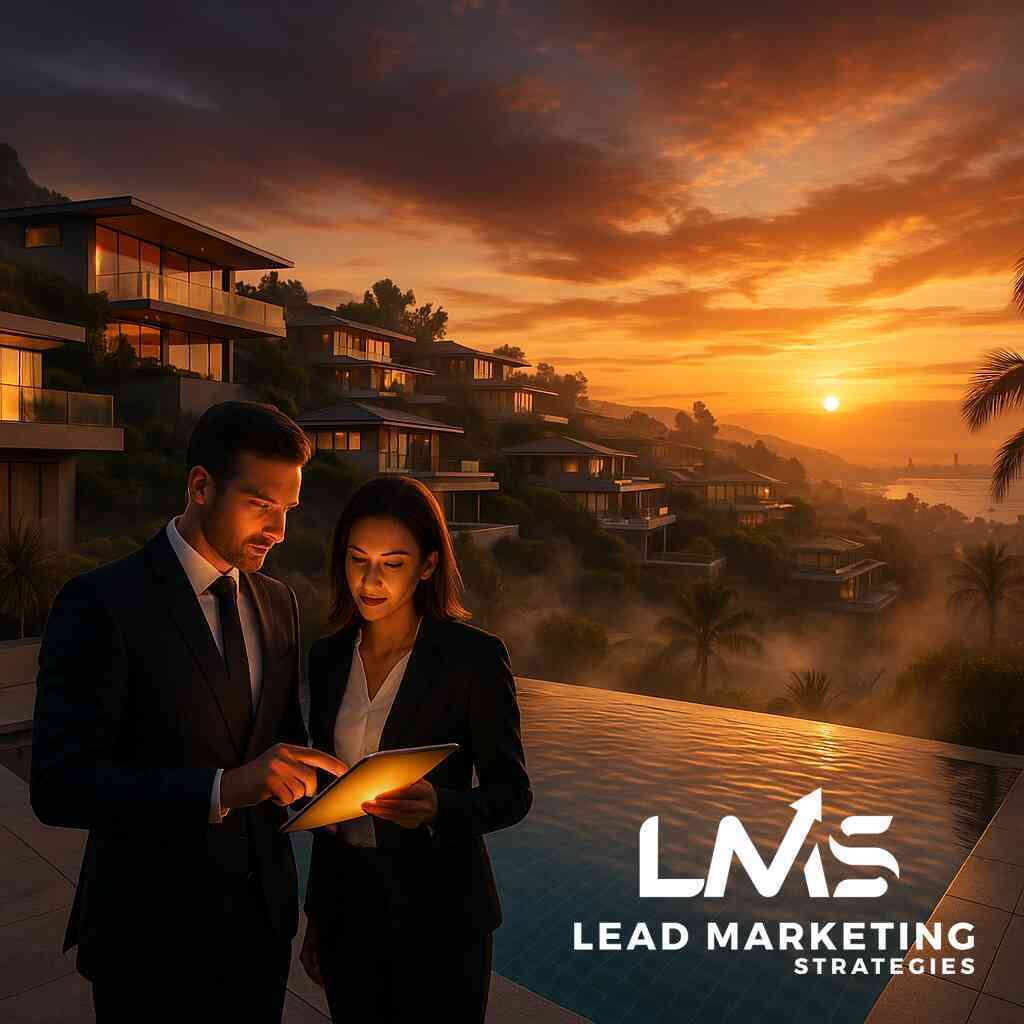
Search engine marketing (SEM) has become a core lever for real estate professionals who need immediate, measurable exposure. This guide breaks down how targeted paid search campaigns elevate brokerage credibility, shorten days-on-market, and compound long-term brand equity.
Why SEM Outshines Traditional Curb Appeal
Yard signs still matter, yet most buyers now form first impressions on a phone screen. A well-built SEM program acts like digital curb appeal by:
- Placing listings at the top of the results page the moment high-intent keywords are typed.
- Allowing granular control over budget, geography, and timing.
- Delivering instant feedback on cost-per-click, conversion rate, and lead quality.
Because every impression and click is traceable, teams can double down on what works and trim waste quickly—something print ads rarely offer.
Step 1: Build Tight Keyword Clusters
Start with the language buyers actually use. Rather than bidding on broad phrases such as “homes for sale,” break queries into focused clusters:
- Location + property type: "Naples FL waterfront condo"
- Feature-rich specifics: "townhome with rooftop deck"
- Lifestyle triggers: "walkable school district homes"
Organize each cluster into its own ad group. This structure improves relevance scores, which lowers cost-per-click while raising ad position.
Refresh Frequently
Market sentiment shifts fast in 2026. Review search-term reports every week. Move converting phrases into exact-match groups and exclude irrelevant terms before they drain budget.
Step 2: Craft High-Clarity Ad Copy
A potential buyer skims dozens of links. Win their click with concise, benefit-led language:
- Headline 1: Neighborhood + key feature ("Ballantyne Homes with Large Yards")
- Headline 2: Trust or urgency cue ("New Listings Updated Hourly")
- Description: Unique selling point ("See HD drone tours & book a showing in one tap.")
Insert dynamic keyword insertion cautiously—overuse can make ads look robotic. Aim for a natural, human tone.
Step 3: Lean on Ad Extensions
Google’s real estate-friendly extensions turn basic text ads into rich mini-brochures:
- Price and size snippets quickly filter out unqualified clicks.
- Call buttons enable mobile users to reach an agent instantly.
- Location pins encourage in-person visits for local offices and open houses.
Well-implemented extensions boost click-through rate (CTR) and, by extension, Quality Score.
Step 4: Design Landing Pages That Convert
Driving traffic is only half the battle. Each ad should deliver visitors to a page that:
- Mirrors the keyword theme in the headline.
- Showcases crisp photography, virtual tours, or drone footage.
- Includes friction-free lead capture (chat widget, quick form, or phone link).
- Loads fast on mobile—ideally under two seconds.
Pages that match intent keep bounce rates low and raise Google’s conversion data signals, further lowering future ad costs.
Step 5: Activate Remarketing Flywheels
A single click rarely equals a closed deal. Remarketing lists let you stay visible throughout the long real-estate consideration cycle:
- Search remarketing (RLSA): Adjust bids higher when past visitors look for similar properties again.
- Display remarketing: Showcase carousel ads of saved listings across major news or lifestyle sites.
- Video remarketing: Serve 15-second highlights on YouTube to re-ignite interest.
Consistent follow-up nurtures familiarity, increases repeat visits, and ultimately lifts conversions without spiraling budgets.
Step 6: Measure What Matters
Key metrics worth weekly attention include:
- Cost-per-lead (CPL): The primary yardstick for profitability.
- Lead-to-showing ratio: Gauges quality beyond mere form fills.
- Days-on-market by SEM source: Connects ad spend to time saved.
- Lifetime value (LTV) uplift: Tracks repeat business gained from stronger branding.
Feed these insights back into keyword bids, ad copy, and landing-page tests for a continuous improvement loop.
Beyond Listings: Strengthening the Brokerage Brand
An integrated SEM program does more than move individual properties. Over time it:
- Raises overall search visibility for the brokerage name.
- Builds trust through repeated, relevant exposure.
- Provides data that informs content marketing, email campaigns, and even offline strategies.
When prospects consistently encounter helpful ads and useful landing pages, the brokerage earns authority in the market—an asset that compounds beyond any single sale.
Practical Takeaways for 2026
- Allocate at least 10–15% of annual marketing spend to search ads; treat it as an always-on channel rather than a seasonal experiment.
- Pair SEM insights with MLS data to anticipate rising neighborhoods before competitors do.
- Test machine-learning bid strategies cautiously. They can free up time but still require human oversight to avoid expensive drift.
- Keep compliance in mind: accurately represent pricing, fair-housing language, and brokerage licensing in all copy.
Final Word
In an industry where first impressions increasingly occur on a small screen, SEM delivers the new curb appeal. By mastering precise keywords, compelling ad copy, and conversion-ready landing pages, real estate brands can capture intent in real time and translate digital attention into signed contracts. Consistent optimization turns each campaign into a data source that sharpens the next, creating a virtuous cycle of visibility, credibility, and growth.
Unlocking Real Estate Brand Potential Through SEM


Very interesting story
ReplyDeleteThank you for helping my digital marketing. 🙏🙏
ReplyDelete