Strategic Community Engagement for Plumbing Firms 2025
Why Community Engagement Drives Plumbing Growth
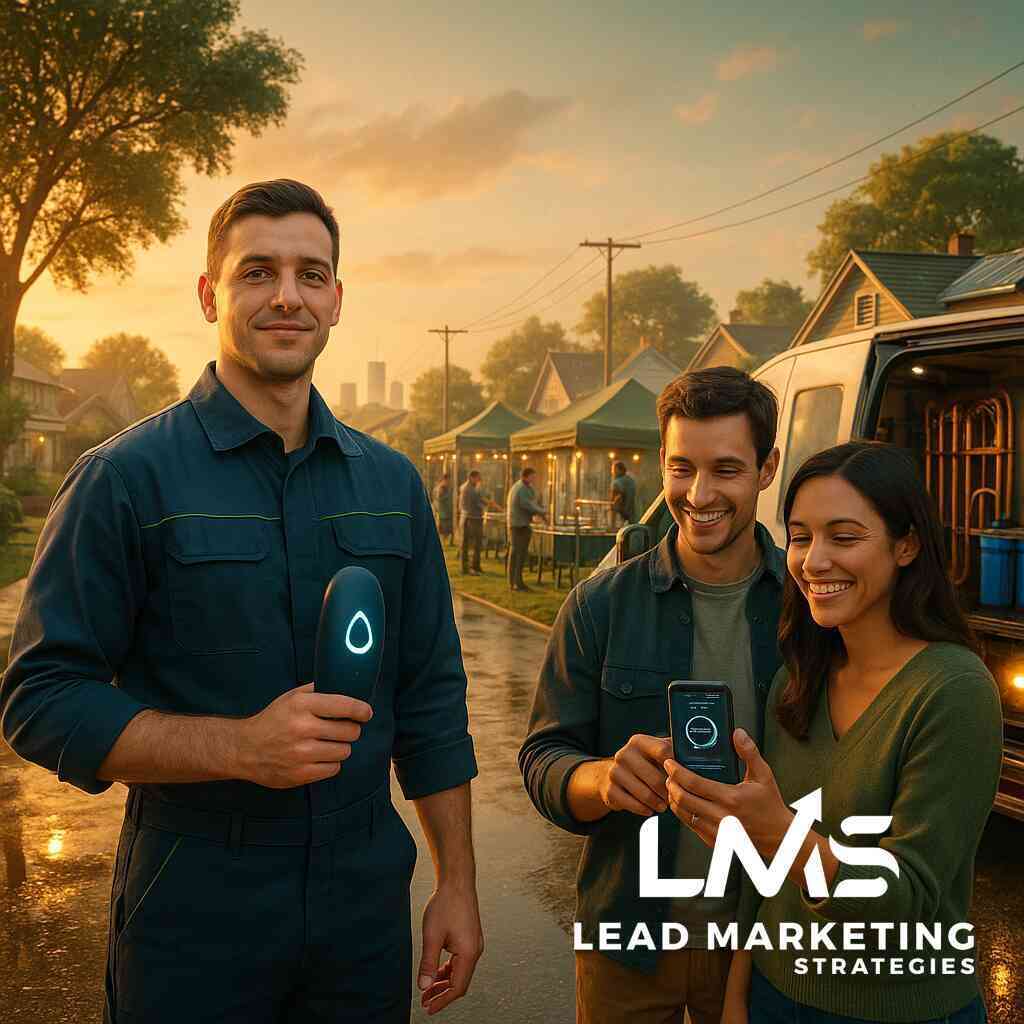
Modern homeowners look for more than fast repairs. They want to see local companies acting as responsible neighbors. This guide explains how plumbing and HVAC contractors can weave service, storytelling, and data into a unified community-first strategy that delivers steady leads and stronger loyalty in 2025.
1. Build Trust Before the First Service Call
Plumbing issues often strike without warning. When panic hits, homeowners reach for the brand they already know and trust. Establish that trust through visible, purpose-driven actions:
- Transparent digital profiles. Publish clear service menus, pricing ranges, and license numbers on every platform. Honesty reduces hesitation and shortens decision time.
- Safety spotlights. Short videos showing background-checked technicians and clean work habits reassure families who value security as much as skill.
- Rapid-response promises. If you advertise 24/7 availability, share statistics on average arrival times. Meeting published benchmarks reinforces credibility.
2. Tie Your Brand Story to Local Impact
A relatable narrative turns a routine repair into a shared mission. Position your plumbing or HVAC brand as a partner in neighborhood well-being:
- Support school programs. Sponsor workshops on water conservation or indoor air quality. Hands-on demonstrations help students connect everyday comfort to professional expertise.
- Join existing nonprofit events. Rather than inventing your own causes, align with charities already active in your zip codes. The built-in audience expands your reach without heavy promotion.
- Report measurable outcomes. After each initiative, publish simple metrics—gallons of water saved, filters donated, or seniors served. Numbers transform goodwill into tangible progress.
Content fuel
Each activity supplies authentic material for blogs, short reels, and neighborhood newsletters. Focus on human stories: a repaired community center sink or a classroom that now understands leak detection. Real faces outperform generic stock images every time.
3. Leverage Hyperlocal SEO Down to the Block
Search intent for home services is intensely geographic. People type "plumber near Lincoln Park Elementary" or ask smart speakers for "HVAC tech in Maple Grove." Capture that micro-intent with these practices:
- Granular service pages. Create dedicated pages for prominent subdivisions, landmarks, or apartment complexes. Reference street names, school mascots, and local events naturally in headings and image alt text.
- Schema markup. Use ServiceAreaBusiness schema to show search engines the exact boundaries you cover. This makes rich results more likely during emergency searches.
- Google Business Profile updates. Post weekly photos or short tips tagged to neighborhood events. Frequent updates signal activity and push you into the local 3-pack more often.
4. Blend Volunteerism With Data Tracking
Hands-on community work feels purely altruistic, yet it can also inform smarter marketing:
- Run senior leak inspections. Offer free quarterly checks for older residents. Record common issues and capture anonymized statistics. Patterns help shape blog topics and maintenance packages.
- Share real-time alerts. If a neighborhood main line fails, send targeted emails explaining what residents should expect and how to protect their property. Include a soft offer for post-repair inspections.
- Measure every touchpoint. Tag email links, social posts, and QR codes used during volunteer events. Open rates and form submissions reveal which stories resonate most.
The result is a feedback loop where community help generates data, and data refines future help.
5. Turn Field Techs Into Neighborhood Ambassadors
Your technicians spend more time face-to-face with residents than any marketing team. Equip them to reinforce brand values on every visit:
- Leave-behind guides. A postcard with seasonal tips—how to test sump pumps before spring storms or change thermostat batteries—adds value without upselling.
- Photo permission protocol. Train techs to request quick photos after successful fixes (with homeowner consent). Real job photos outperform staged content and boost social proof.
- Feedback prompts. Provide QR codes that link to a one-question survey. Fast feedback identifies service gaps while the experience is fresh in the customer’s mind.
6. Create a Consistent Multichannel Voice
Residents engage with local businesses across apps, mailers, and town-hall meetings. Keep tone and visuals consistent:
- Brand guidelines. Define fonts, colors, and vocabulary for digital and print assets. Consistency breeds recognition even when logos are not prominent.
- Story pillars. Choose three themes—such as water conservation, indoor air quality, and emergency preparedness—and align 80 % of content around them. Repetition plants your expertise in memory.
- Localized CTAs. Instead of generic “contact us,” use context like “Schedule a leak check in Brookside.” Specificity improves click-through without sounding pushy.
7. Integrate Technology Without Losing the Human Touch
AI chatbots and automated booking portals streamline operations, but make sure they feel personal:
- Customize greeting scripts. Mention the city or neighborhood detected by geo-IP to create a quick sense of proximity.
- Offer real-time handoff. If a conversation grows complex, switch to a live agent who can reference local permits or water-pressure norms.
- Use SMS thoughtfully. Appointment reminders that include technician names and brief bios reduce no-shows and humanize the process.
8. Track Success With Community-Focused KPIs
Traditional metrics—call volume, conversion rate, average ticket—still matter. Yet community engagement adds new dimensions:
- Referral share. Monitor what percentage of new jobs cite neighbor or community event recommendations.
- Engagement depth. Measure average time on hyperlocal blog pages or replay counts on neighborhood-specific videos.
- Impact mileage. Quantify water saved, carbon offset through energy-efficient installations, or classroom hours funded. These statistics become compelling headlines for future outreach.
Final Takeaway
Purpose-driven, hyperlocal engagement is no longer optional for plumbing and HVAC businesses that want to lead in 2025. By combining transparent digital presence, authentic community service, and data-guided refinement, contractors can turn every interaction—online or on the sidewalk—into a building block for lasting trust and predictable growth.
Advanced Community Engagement Strategies in Plumbing 2025


Comments
Post a Comment