Solar Brand Development NYC: Urban Marketing Playbook
Solar Brand Development NYC: Urban Marketing Playbook
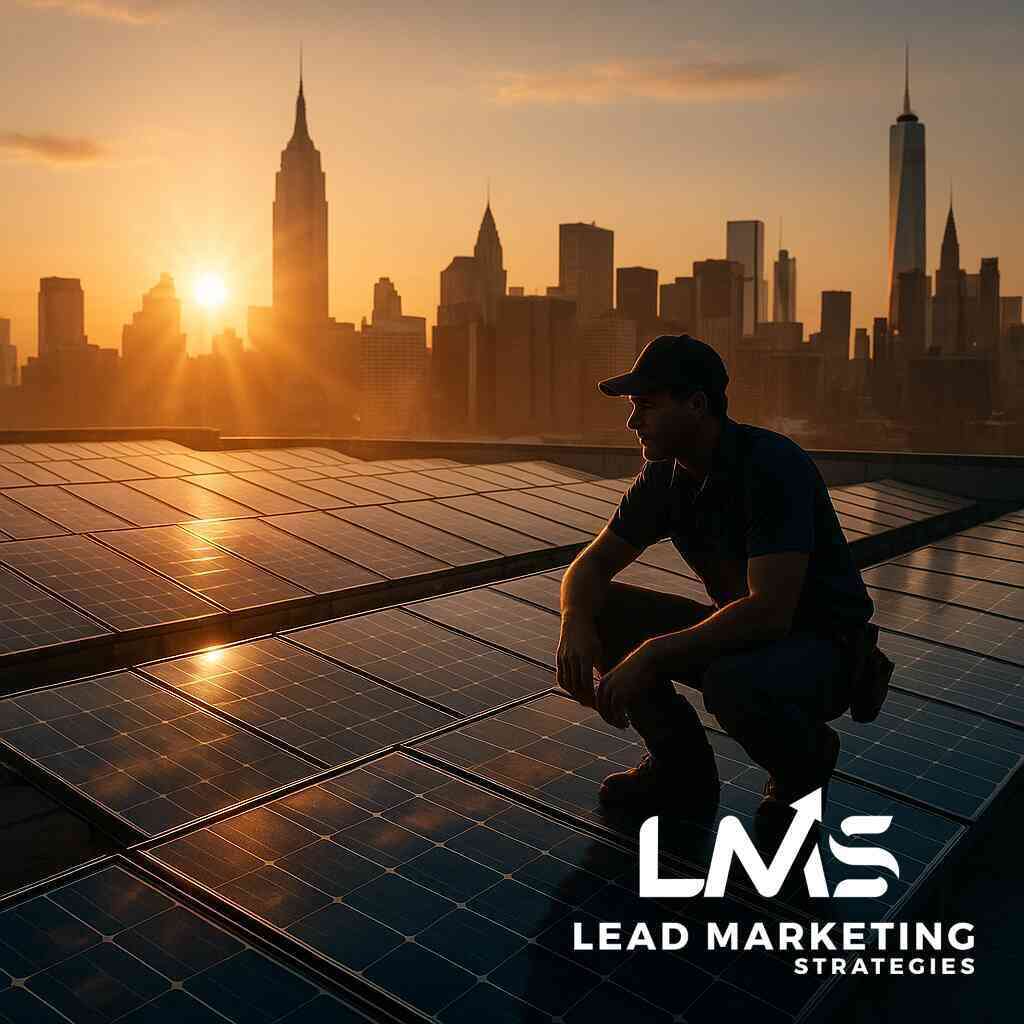
New York City offers more rooftop potential than many entire states, yet the path to a signed contract runs through locked lobbies, competing landlords, and ad saturation on every corner. This guide breaks down what it really takes to position, promote, and grow a solar brand inside the five boroughs.
Why Urban Solar Needs a Separate Rulebook
Most national solar templates were written for cul-de-sacs and wide driveways. They fall apart when the prospect lives six floors up and manages a co-op board. In dense cities, three factors change the game:
- Access barriers. Door-to-door outreach seldom reaches decision makers. Digital channels and building-wide referral loops become primary.
- Zoning complexity. Historic districts, air-rights questions, and shared roofs require messaging that blends engineering nuance with neighbor diplomacy.
- Diverse incentives. Con-Ed demand charges, state community solar credits, and city property-tax abatements layer together. Brands that simplify the stack earn attention fastest.
Approach each factor as a marketing variable, not just an operational detail. When the brand voice demonstrates fluency in NYC-specific hurdles, prospects immediately sense lower risk.
Mapping the Square-Foot Goldmine Above the Sidewalk
Rooftops in Midtown, Astoria, and Sunset Park look flat and empty from street level. In reality, every square foot represents kilowatt hours, demand charge reductions, and potential passive income.
Modern campaigns translate that abstract potential into building-level numbers:
- Drone or satellite images annotated with usable roof area
- Quick, mobile-friendly calculators that estimate 20-year utility savings
- Visual simulations that show panel layout without disturbing skyline aesthetics
When stakeholders can see their own roof, not a stock image, sales cycles compress.
Building Trust in a Skeptical Market
New Yorkers have heard every pitch. To cut through the noise, every claim must be backed by local proof.
- Permits passed: Display DOB permit numbers and inspection dates.
- Neighbors quoted: Short video testimonials from within the same ZIP code outperform generic reviews.
- Energy dashboards: Live production data from an existing project builds credibility faster than any brochure.
Publish these elements on landing pages, lobby screens, or QR-enabled flyers. The aim is to shift the conversation from “Can this work here?” to “How soon can we install?”
Turning Gridlock into Media Inventory
Traffic that frustrates drivers can serve marketers. Long dwell times on buses, ferries, and in subway stations create micro-moments for education.
Practical placements
- Bus wraps with a simple savings headline and scannable QR code
- Geofenced audio ads surfacing within popular commuter podcasts
- Digital elevator panels in Class-A buildings retargeting office managers after work
Cost per impression may seem high, but when paired with borough-specific creative—“Brooklyn Roofs Earn More Sun Credits” versus “Uptown Co-Ops Cut Summer Peaks”—response quality rises and wasted clicks fall.
Researching Micro-District Personas
Block-by-block insight still beats any statewide dataset. Teams that walk the neighborhood gather details such as:
- Typical roof age and warranty status
- Presence of water towers or cellular antennas that steal array space
- Seasonal energy anxieties—Downtown loft owners fear summer A/C spikes; Bronx schools dread winter heating costs
Use these findings to rewrite ad copy, rebate explanations, and even financing terms. Hyper-relevance signals respect for the audience’s daily reality.
Checklist for 2025 Solar Campaigns in NYC
- Audit existing rooftops with LIDAR or drone scans to pre-qualify leads.
- Craft multilingual assets—Spanish, Mandarin, Russian, and Bengali cover most borough clusters.
- Bundle services (site audit, financing, permitting) under one promise of simplicity.
- Align outreach with real-estate rhythms: target co-op boards before annual budget votes and commercial landlords ahead of lease renewals.
- Leverage first-party data captured from calculators or webinar sign-ups to cut PPC costs in competitive Manhattan searches.
- Publicize milestones—each new array doubles as a billboard when photographed, tagged, and shared in neighborhood groups.
Final Thoughts
Between skyscraper shadows and regulatory twists, New York City looks like an unlikely solar frontier. Yet that complexity is precisely why well-positioned brands thrive here. Companies willing to translate kilowatt physics into hyperlocal stories, pair digital convenience with street-level credibility, and respect the cadence of the city’s real-estate heartbeat can unlock a rooftop empire in 2025 and beyond.
Exploring the Edge of Solar Brand Development in NYC


Comments
Post a Comment