New York Auto Shop Marketing: Comparing Strategies That Win
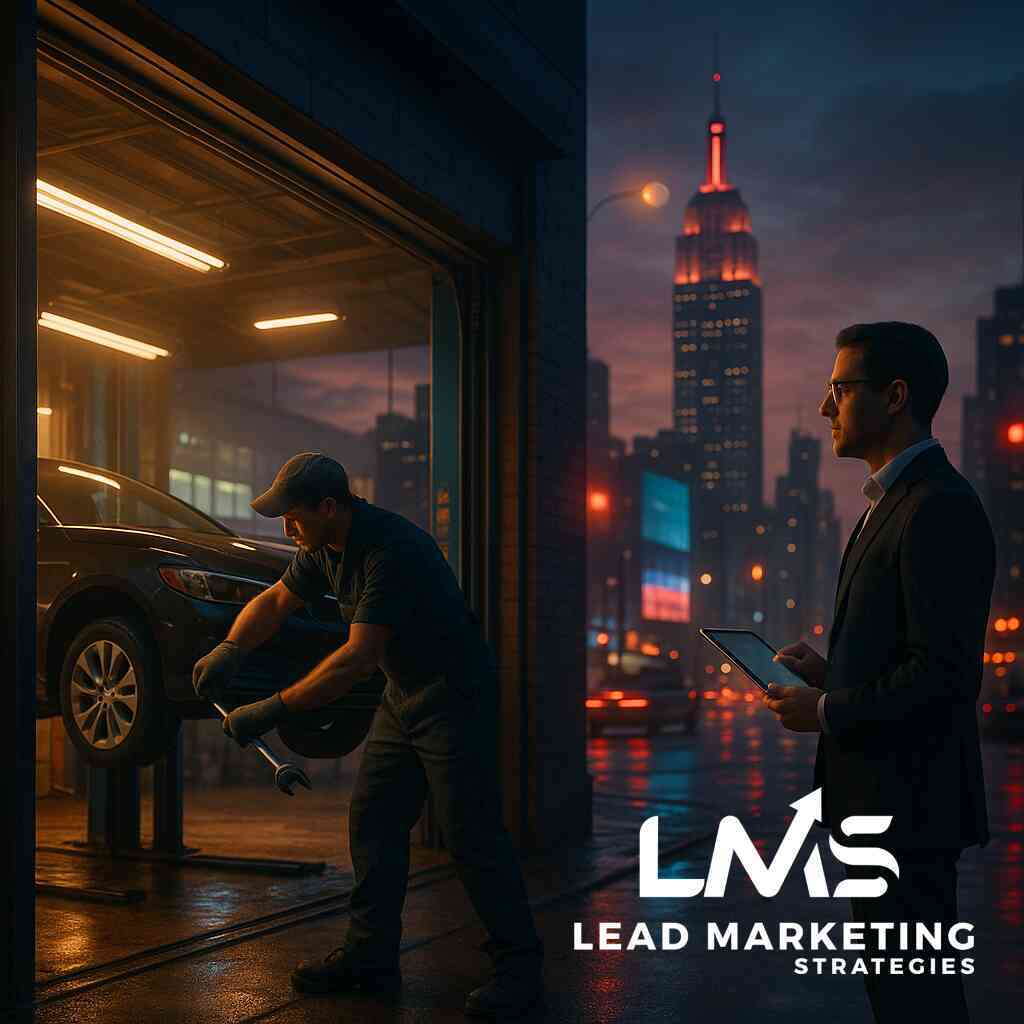
Why Comparing Auto Shop Marketing Matters in New York
New York’s automotive scene is crowded, fast-moving, and unforgiving. A single borough can hold more independent repair bays than some entire states. In that environment, guessing about promotion tactics is expensive. Side-by-side comparison of competing campaigns reveals what actually brings cars through the door, which messages resonate with local drivers, and where budgets quietly leak.
When shop owners weigh search visibility, social proof, and neighborhood reputation against real-world revenue, they spot patterns that an isolated campaign will miss. Data replaces hunches, and marketing becomes an operating system rather than a cost center.
The Competitive Edge Gained From Honest Benchmarking
- Sharper Positioning – A quick scan of Google Business listings shows which phrases (“same-day brake repair”, “late-night diagnostics”) repeat at the top of maps results. Matching that language—or intentionally diverging—becomes a strategic choice, not a shot in the dark.
- Smarter Budget Splits – Comparing cost per call between paid search, local radio, and postcard drops exposes underperforming channels. Funds can then be re-deployed toward the proven drivers without increasing total spend.
- Faster Feedback Loops – In a city where seasons swing from salt-slush winters to pothole summers, demand spikes shift monthly. Shops that track competitor offers spot those shifts days earlier and adjust promotions before backlogs form.
Regional Nuances: Queens vs. the Bronx vs. Long Island
New York marketing is never one-size-fits-all. A few miles—and a single bridge toll—can change search intent dramatically.
Queens
• Diverse, multilingual neighborhoods demand ad copy in at least two languages.
• Dense public transit means many residents rely on taxis or rideshare. Maintenance wording that speaks to fleet owners often outperforms traditional consumer language.
The Bronx
• Family-owned credibility still matters. Photos of staff and owner bios earn more clicks than slick stock imagery.
• Evening hours are prized. Ads highlighting after-work pickup slots see stronger conversion around 6–8 p.m.
Long Island
• Commuter culture values speed and convenience. “Book in two taps” mobile experiences lift conversion rates.
• Driveways and garages give residents room to tinker. Educational content—DIY inspection checklists, torque specs, parts explainers—attracts weekend researchers who later book professional installs.
Mapping Long Island’s test results to the rest of the state shortens learning cycles. What wins on Sunrise Highway often scales to Albany and Buffalo with minor edits to service area wording.
Turning Local Search Into Showroom Traffic
More than 60 percent of repair searches in New York end with a phone call or direction request within an hour. Ranking high is only half the job. The listing must answer three questions instantly:
- Can they fix my exact problem?
- Are they open when I’m free?
- Will I feel confident handing over the keys?
Practical steps that influence those answers:
- Service-specific landing pages with clear pricing ranges prevent the dreaded “call for a quote” drop-off.
- Live chat or SMS widgets reassure nervous drivers stuck on the BQE shoulder.
- Reviews that mention the same neighborhood the searcher is standing in—a powerful proximity signal.
Beyond the Bay: Building a Full-Funnel Journey
Modern car owners rarely move in a straight line from awareness to appointment. They bounce between tutorial videos, retail parts sites, and friends’ advice. A full-funnel plan keeps the shop visible at every turn:
- Awareness – Short social reels about common warning lights or seasonal tire pressure tips.
- Consideration – Blog posts explaining the difference between OEM and aftermarket parts, optimized for long-tail keywords.
- Decision – Retargeted ads featuring a real technician, reinforcing trust built in earlier content.
- Purchase – Digital estimates delivered by text so the customer can approve repairs during a lunch break.
- Loyalty – Maintenance reminders tied to mileage and seasons, plus a referral credit that feels like a genuine thank-you instead of a gimmick.
Integrated dashboards track each touchpoint—clicks, calls, carts, and in-bay revenue—so that weak links surface quickly.
Credibility: The Silent Conversion Factor
Price and proximity get phones ringing, but credibility closes the job ticket. Three pillars stand out in 2025:
Social Proof at Scale
A steady drip of authentic, review-rich posts beats one flashy testimonial blast. Encourage satisfied drivers to mention the precise repair (“alternator on a 2018 Accord”) to boost keyword density naturally.
Transparent Reporting
Owners burnt by vague promises need clear attribution. Dashboards showing that $600 in search ads produced $4,200 in revenue will keep the budget flowing.
Community Involvement
Photos from local fund-raisers or school sponsorships humanize the brand. In big-city anonymity, local roots differentiate one bay from the next.
Practical Checklist for New York Auto Shops
- Audit your top three competitors’ Google Business profiles this week.
- Translate at least one landing page if your service area crosses language lines.
- Test weekend or evening booking slots for the next 30 days.
- Add schema markup listing every distinct service, not just “auto repair”.
- Set a threshold: pause any channel with cost per call above your average ticket.
Final Thoughts
Comparing auto shop marketing strategies in New York is not about copying the garage down the block. It is about understanding why their message resonates and adapting those insights to your unique strengths. When benchmarking becomes a habit, every campaign, headline, and budget line is grounded in evidence—giving your shop the momentum to pull ahead in one of the toughest markets in the country.
Comparing Auto Shop and Marketing Strategies in New York


Comments
Post a Comment