Mastering E-Commerce Tools and LMS for Omnichannel Retail
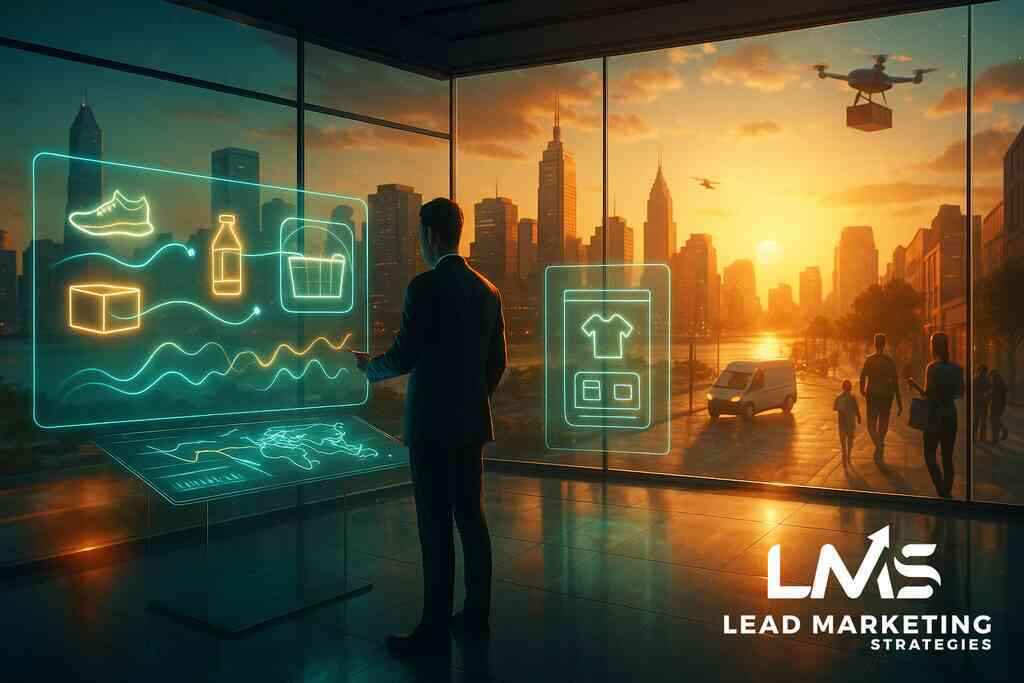
Unlocking Modern E-Commerce with Learning Management Strategy
E-commerce now moves at the speed of social trends, algorithm updates, and next-day delivery promises. To keep up, retailers need more than a storefront—they need an integrated learning mindset that turns data into daily improvements. This overview explains how a Learning Management Strategy (LMS) pairs with cutting-edge tools to create flexible, scalable, and customer-centric online retail.
Why Local Expertise Still Matters in 2025
Digital platforms may erase borders, yet regional behavior continues to drive purchasing patterns. A team that studies commuter rhythms on Long Island, for example, understands when residents scroll on trains or visit malls after work. These micro-insights inform keyword choices, content calendars, and ad scheduling. When local intuition is combined with national-level analytics, campaigns gain both precision and reach.
Practical takeaways
- Build buyer personas that include regional habits such as weather, traffic, and seasonality.
- Align paid search bids with local peak browsing hours.
- Test creative that references community landmarks to increase relevance.
Laying the Foundation: A Rock-Solid Digital Marketing Plan
Omnichannel ambitions can collapse if each channel is managed in isolation. A structured digital marketing plan connects every touchpoint—from discovery to repeat purchase—under one narrative. It should answer three questions:
- Who are we targeting? Use data from web analytics, social listening, and in-store feedback.
- What journey do we want them to take? Map how a prospect moves from an Instagram reel to an email offer to a local pickup.
- How will success be measured? Prioritize metrics like average order value, return rate, and pickup adoption.
Keeping these answers visible aligns creative teams, inventory managers, and finance. It also prevents channel cannibalization, where one promotion unknowingly steals margin from another.
Inside the LMS-Powered Toolkit
An LMS approach treats every campaign as an experiment that feeds lessons back into the system. Below are the core components that make this loop possible.
1. AI-Driven Demand Forecasting
Machine-learning models ingest historical sales, live browsing behavior, and external signals—such as local events or weather—to predict demand spikes. Retailers can then reorder stock before competitors notice the same trend.
2. Headless Storefront Architecture
By decoupling the front-end design from back-end commerce logic, retailers deploy new layouts or campaigns without risking checkout stability. Faster release cycles translate to timely seasonal promotions and AB tests.
3. Scalable Cloud Hosting
Flash sales and viral moments are great—unless the website crashes. Cloud auto-scaling keeps uptime near 100 %, whether 100 or 10,000 shoppers land at once.
4. Real-Time KPI Dashboards
Executives need more than raw data; they need context. Visual dashboards convert traffic, conversion, and retention numbers into clear sentences such as “Mobile cart abandonment rose 8 % after the theme update.” This clarity accelerates decision-making.
5. Omnichannel Support Chatbots
AI chat tools handle common questions about shipping, returns, or sizing. Human agents then focus on complex issues, improving both speed and satisfaction.
SaaS vs. Custom Development: Knowing When to Switch
Most brands start with a software-as-a-service (SaaS) platform because it bundles hosting, security, and templates. This is perfect for proving product-market fit. Issues appear when growth demands:
- Unique subscription or bundling logic.
- Deep integration with warehouse management systems.
- Sub-second mobile load times for international traffic.
When these needs arise, custom web development—often in a headless configuration—removes template limitations and plugin bloat. The transition timeline usually follows a tipping point: if the development hours spent on workarounds exceed the cost of a tailored build, it is time to migrate.
Building an Omnichannel Experience Without Friction
A shopper might discover a product on TikTok, research it on a desktop, add it to a cart on mobile, and finally choose in-store pickup. Each hop is a chance to lose interest. A unified LMS approach minimizes drop-off through:
- Consistent branding: Fonts, tone, and offers remain identical everywhere.
- Shared inventory data: Online stock counts sync with store shelves in real time.
- Flexible fulfillment: Options such as ship-from-store, curbside pickup, and same-day delivery are visible and reliable.
Measuring What Matters
Vanity metrics like follower count rarely translate into profit. Focus on actionable indicators:
- Customer lifetime value (CLV): Reveals the long-term impact of retention campaigns.
- First-time vs. repeat purchase ratio: Highlights how well post-purchase nurturing works.
- Browse abandonment recovery rate: Measures the effectiveness of triggered emails or SMS.
Regularly review these metrics in quarterly “learning sprints” where the team documents wins, failures, and next steps. The cycle repeats, each time with better data.
Final Thoughts
Cutting-edge e-commerce is not a single tool but a disciplined process of learning, testing, and scaling. Combining local insight with an LMS mindset helps retailers act quickly on micro-trends while maintaining a coherent national brand. Whether you operate a boutique in Commack or ship nationwide, the same core principles apply: know your audience intimately, build flexible technology, and turn every campaign into a lesson for the next one.
Understanding Cutting-Edge E-commerce Tools with LMS


Comments
Post a Comment