Localized Crypto Engagement Strategies for Neighborhoods
Localized Crypto Engagement and Why It Matters
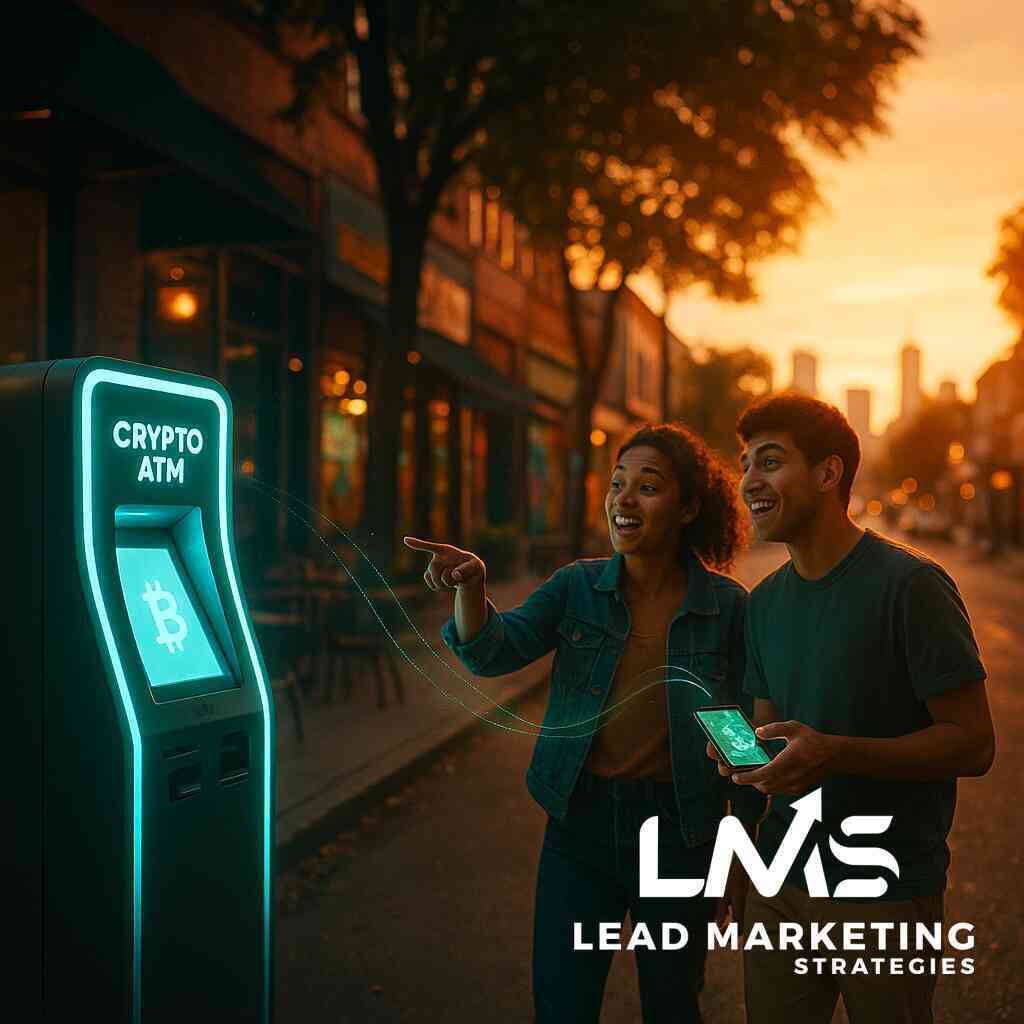
Cryptocurrency adoption often stalls when the technology feels distant or abstract. Bringing blockchain touchpoints into familiar neighborhood settings changes that perception. Seeing a Bitcoin ATM beside a grocery checkout or a local café accepting Ethereum makes digital currency feel practical and safe. Local visibility also sparks peer discussions, one of the strongest drivers of trust in emerging tech.
Turning Blockchain Concepts into Local Benefits
Residents relate to examples rooted in daily life. Demonstrations at libraries, community centers, or farmers markets let attendees scan QR codes, watch confirmations appear, and discuss transaction fees in real time. Such hands-on experiences shorten the learning curve and reduce reliance on technical jargon. The result is a self-reinforcing cycle: practical exposure leads to confidence, confidence leads to usage, and visible usage further normalizes the behavior.
Using Zip Code Data to Pinpoint Opportunity
Hyperlocal planning outperforms blanket campaigns. Marketers overlay demographic profiles, cellular data consumption, and existing merchant acceptance to identify micro-regions with high conversion potential. Typical signals include:
- Dense clusters of freelancers or gig workers who already manage digital wallets.
- Apartment complexes with strong mobile payment adoption.
- Retail corridors where foot traffic peaks during evenings and weekends.
Focusing resources on these hotspots maximizes early success rates and generates case studies for adjacent areas.
Integrating Web 3.0 Behavior with Location Signals
Modern wallets and decentralized applications supply geolocation insights—opt-in, encrypted, and user controlled. When anonymized data indicates a user approaching a newly installed kiosk, a context-aware push notification can highlight a limited-time discount on fees. Pairing real-time offers with proximity boosts participation while respecting privacy norms. Consistent feedback loops refine the trigger rules, aligning future messages with both on-chain activity and local traffic patterns.
Optimizing Search Visibility for Near-Me Queries
Search engines increasingly surface map packs for phrases such as “crypto ATM near me.” Structured data, geotagged photos, and business hours fine-tuned to local peak times raise the likelihood of appearing in those slots. Content must go beyond simple listings. Articles that explain how a specific downtown kiosk handles network congestion or how a suburban retailer reconciles nightly crypto sales address the nuanced questions people type into search bars. Embedding schema markup for events—like wallet workshops or beginner seminars—further signals topical relevance.
Technical On-Page Elements
- Title tags incorporating the city or neighborhood name alongside the primary service.
- JSON-LD markup detailing accepted digital assets, accessibility features, and parking options.
- Alt text on images that mentions nearby landmarks, aiding visual search recognition.
Key Components of a Hyperlocal Rollout
- Physical Presence: Secure, well-lit locations for ATMs or point-of-sale devices build confidence. Clear signage explaining transaction steps reduces perceived complexity.
- Community Partnerships: Align with small businesses, coworking spaces, and local nonprofits. Cooperative events lend social proof and tap into existing audiences.
- Education First: Short, frequent sessions work better than lengthy lectures. Q&A segments encourage candid dialogue on fees, volatility, and tax considerations.
- User-Generated Amplification: Encourage patrons to share transaction screenshots or short videos. Authentic testimonials carry more weight than branded content.
- Iterative Analytics: Monitor redemption rates, wallet downloads, and search impressions by zip code. Deploy A/B tests on signage wording or push notification timing, refining tactics based on measurable outcomes.
Measuring Success Beyond Transactions
Successful engagement reflects both quantitative and qualitative markers. Metrics such as repeat visits, average transaction value, and wallet retention rates show financial health. Meanwhile, sentiment analysis of local social media mentions or feedback from community meetings reveals trust dynamics. Combining hard data with grassroots feedback offers a balanced view of progress.
Looking Forward
Hyperlocal strategies demonstrate that digital currency can fit comfortably into ordinary routines. When residents watch neighbors use a blockchain service without difficulty, reservations tend to fade. Data-driven targeting, thoughtful education, and localized search optimization form a practical blueprint for sustainable growth in community-level crypto adoption.
https://www.cryptomarketingstrategies.com/understanding-crypto-engagement-strategies-near-you/


Comments
Post a Comment