Local Social Media Innovations Driving 2025 Business Growth
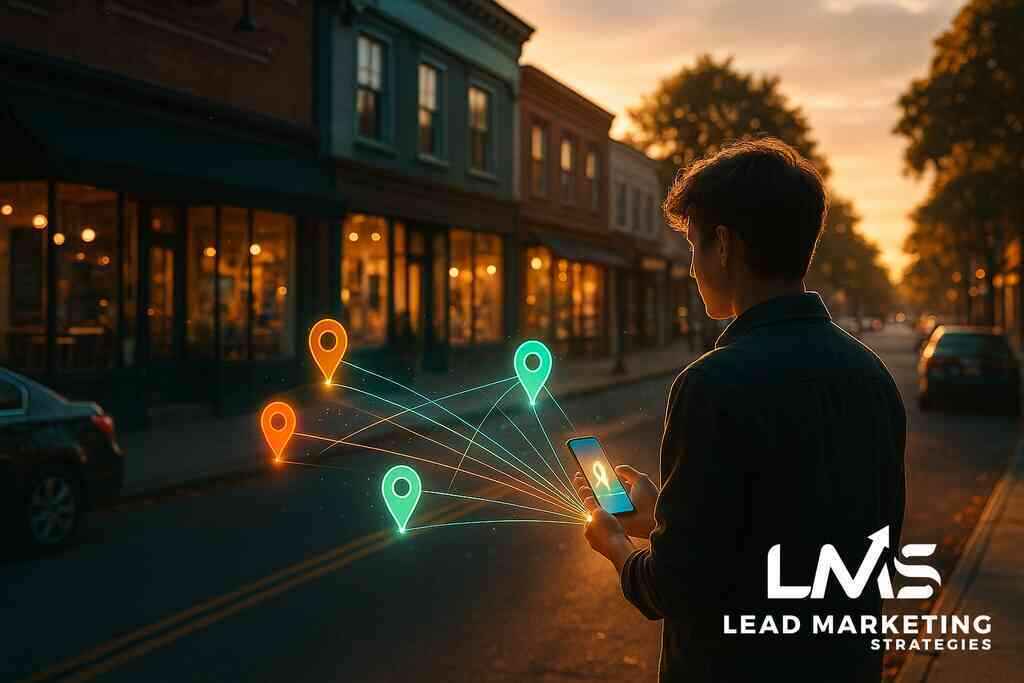
How Hyper-Local Social Media Is Reshaping Commerce
A decade ago a well-placed billboard could keep a neighborhood business busy for months. In 2025 the same audience now discovers the pizza shop, florist, or law office through a swipe on a phone marked “near me.” This guide explains how recent social media innovations are changing the way local companies attract foot traffic, build loyalty, and move inventory in real time.
1. The “Near Me” Algorithm Shift
Major platforms quietly promote posts that match a user’s immediate location. When someone searches, checks a map, or scrolls through a neighborhood feed, content tagged within a short radius now floats to the top.
- Posts labeled with the city and street outperform generic “we’re open” updates.
- Stories that feature recognizable landmarks earn faster engagement because they instantly build trust.
- Businesses that update hours, menus, or service lists inside platform profiles see higher placement during peak browsing windows.
Local relevance now rivals follower count. A boutique with only 800 followers can outrank a national chain if its creative centers on the block where the user stands.
2. Micro-Moment Targeting Beats Traditional Ads
Consumers experience hundreds of tiny intent spikes each day—waiting for coffee, idling at a red light, or scrolling in a pickup line. Smart brands map these micro-moments and schedule content to intercept them.
- Commuter cravings: Coffee shops push discounted latte reels between 6:00 and 8:00 a.m. when traffic apps trend.
- Lunchtime decisions: Restaurants run thirty-second polls at 11:30 a.m. letting followers vote on the soup of the day, then redeem the winning option in store.
- After-school errands: Tutors and extracurricular programs drop animated reminders at 3:00 p.m. with direct booking buttons.
Because posts expire quickly, algorithms reward freshness. Updating creative every few hours—rather than weekly—keeps visibility high without relying on paid boosts.
3. Nano Influencers Replace Celebrity Endorsements
An influencer with 1,500 loyal followers inside a zip code often drives more sales than a celebrity with a million. Their content feels like a personal recommendation, not an ad. Effective partnerships share three traits:
- Proximity: The creator lives, works, or volunteers locally and shows real experiences within the community.
- Authentic storytelling: Videos feel casual—filmed in a backyard or favorite café—so audiences sense credibility.
- Actionable hook: Each post offers a simple next step such as “mention Jenna for the neighborhood discount,” turning curiosity into measurable foot traffic.
Brands select two or three nano influencers rather than one macro voice, spreading risk and tailoring messages to varied micro-audiences (parents, commuters, hobbyists).
4. Dynamic Content Personalization
Advances in AI let marketers adapt captions, visuals, and calls to action automatically. A single campaign can spawn dozens of versions triggered by weather, time, or device type.
- Weather aware: A hardware store promotes de-icing salt during a snow alert and sprinkler systems when temperatures spike.
- Route aware: An auto shop detects when GPS data shows a long commute and surfaces a brake-check coupon.
- Device aware: Desktop users see detailed specs, while mobile scrollers get tap-to-call buttons within thumb reach.
This responsiveness reduces unnecessary impressions and stretches ad spend further.
5. Seamless Social Commerce Journeys
People rarely finish a purchase the moment they discover a product. Omnichannel syncing keeps the item visible across multiple touchpoints:
- An Instagram carousel introduces a limited edition product.
- The brand’s site automatically stores the item in the user’s cart.
- A friendly reminder appears on Facebook the next morning, showing updated inventory and pickup options.
Because all assets connect to the same product feed, pricing and availability stay consistent. Shoppers avoid the frustration of clicking to an out-of-stock page, and businesses recapture would-be abandoners without repeating the same ad.
6. Real-Time Inventory and Live Shopping
Live video streams bring the energy of an in-store visit to the phone screen. Local hosts demonstrate products, answer questions, and mark items as “sold” in real time. Key practices include:
- Scheduling streams at predictable slots—Thursday evenings or Saturday mornings—so audiences build a habit.
- Limiting batches (for example, “only 20 candles available tonight”) to create urgency.
- Integrating payment inside the platform, reducing checkout clicks and improving completion rates.
7. Data-Driven Budget Allocation
Every impression, click, and conversion feeds a dashboard that updates minute by minute. Instead of monthly reports, marketers redirect spend hourly toward the creative that moves stock fastest. Signs of a healthy loop:
- Click-through rate climbs within the first 50 views.
- Conversion cost drops below the average item margin.
- Organic shares rise, signaling resonance beyond the paid audience.
When a post stalls, the team swaps imagery or rewrites the hook immediately rather than letting a full campaign window pass.
8. Building Community Through Storytelling
Numbers only get you so far. Long-term loyalty comes from narratives that celebrate local culture. A few proven angles:
- Origin stories: Describe how the founder grew up playing in the park across the street or learned family recipes down the block.
- Customer spotlights: Feature regulars or clients reaching personal milestones—finishing a 5K, opening a first home—that tie back to the brand.
- Neighborhood heritage: Highlight historic photos or fun trivia about the area to inspire pride and conversation.
Emotional resonance encourages user-generated content. Each tagged photo or comment extends reach without additional ad spend, reinforcing authenticity.
9. Practical First Steps for 2025
- Audit profiles for complete location data and consistent NAP (name, address, phone) fields.
- Create three hyper-local content pillars—landmarks, community heroes, nearby events—and plan weekly posts around them.
- Test a small live-shopping session using native platform tools; measure engagement and sales velocity.
- Identify two nano influencers whose audiences overlap with your top customer segments; outline collaborative ideas.
- Install dynamic product feeds so pricing and availability stay current across social storefronts.
Final Thought
Social media innovation is no longer a trending buzzword; it is the infrastructure of neighborhood commerce. By grounding content in authentic local context, embracing micro-moment timing, and leveraging real-time data, businesses of any size can compete—and win—against larger brands. The tools exist, the audiences are scrolling, and the window of opportunity is wide open for those ready to adapt in 2025.
The Role of Social Media Innovations Near You


This post clearly shows how hyper-local social media in 2025 is transforming customer acquisition and business growth by focusing on “Near Me” algorithms and micro-moments in a smart and targeted way.
ReplyDeletegood and cool post
ReplyDeleteClearly information,thanks
ReplyDelete