Holistic Daycare Engagement: Building Genuine Family Trust
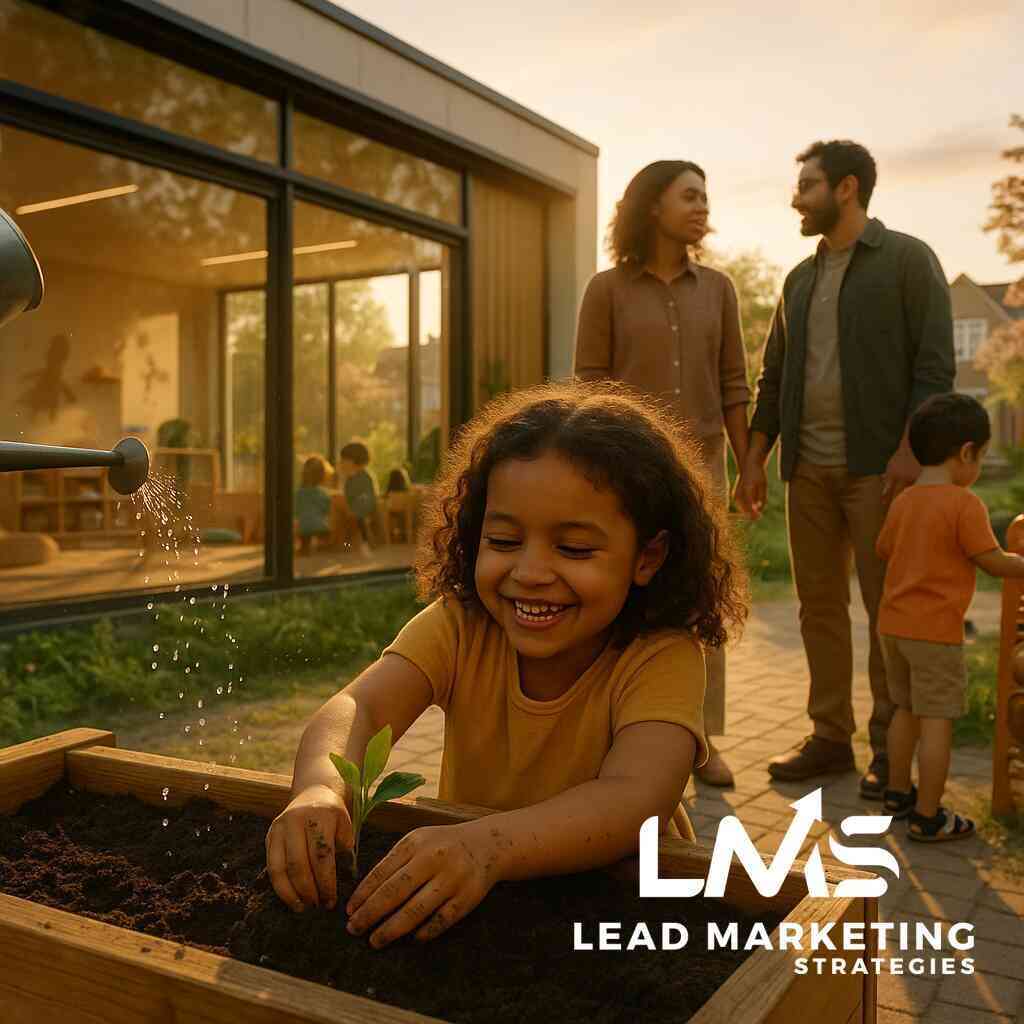
Understanding a Holistic Engagement Model
Modern childcare centers succeed when every touchpoint—classroom design, teacher interaction, and communication tools—works together to nurture the whole child. This overview explains how a holistic approach to engagement builds lasting trust with families while supporting healthy growth.
1. Start With a Clear Circle of Care
A circle of care connects children, parents, educators, and the wider community. Instead of viewing each group as a separate audience, the center treats everyone as partners in a single ecosystem.
- Teachers share daily observations through secure apps and in-person conversations.
- Parents contribute cultural traditions and developmental insights that shape lesson plans.
- Community professionals—speech therapists, artists, urban gardeners—extend learning beyond the classroom.
When families see these roles embraced openly, they feel respected and invested.
2. Listen Before You Lead
Family-centered programs begin with structured listening:
- Quick empathy interviews at enrollment reveal parental hopes and concerns.
- Regular surveys confirm whether schedules, menus, and enrichment options still align with family needs.
- Open-door policies invite caregivers to observe or volunteer, turning feedback into real-time collaboration.
Questions such as “What routines work best at home?” or “Which holidays matter most to your family?” make it clear that the center values personal context over one-size-fits-all solutions.
3. Design Inclusive Learning Environments
Classrooms should mirror the diversity of the surrounding community. Practical steps include:
- Rotating culturally relevant picture books and music.
- Offering multilingual labels and basic sign language prompts.
- Stocking sensory materials that reflect a range of skin tones and abilities.
These choices may appear small, yet they send an unmistakable signal of belonging. When children recognize elements of their own identity in the room, they feel safe to explore; when parents see that reflection, their confidence climbs.
4. Embrace a Multisensory, Play-Based Framework
Play is the primary language of young children. A robust framework layers multiple senses into every activity:
- Sound: Rhythm walls, echo tubes, and call-and-response songs support phonemic awareness.
- Texture: Water tables, kinetic sand, and fabric bins refine fine motor control.
- Movement: Balance beams, rolling toys, and outdoor obstacle courses strengthen gross motor skills.
- Storytelling: Puppet theaters and picture sequencing cards boost narrative thinking and emotional literacy.
By rotating stations weekly, educators keep curiosity high and data fresh. Quick milestone notes—“gripped tweezers today” or “asked a friend to join”—help teachers tailor the next set of challenges.
5. Align Communication With Developmental Stages
Parents worry less when messages evolve alongside their child’s growth. An effective cadence might look like this:
- Toddlers (12–24 months): Short photo updates highlighting sensory exploration and new words.
- Twos and Threes: Brief videos demonstrating emerging self-help skills such as hand-washing or zipper practice.
- Pre-K: Narrative posts explaining project-based themes—why the class planted seeds, how measuring stems reinforces early math, and which questions sparked group discussion.
When communication mirrors milestones, families quickly connect the dots between daily play and long-term readiness.
6. Make Transparency a Standing Policy
Trust deepens when parents understand how decisions are made.
- Share curriculum maps at the start of each season.
- Explain safety protocols, including staff-to-child ratios and emergency drills.
- Offer brief breakdowns of licensing requirements so families see the larger framework that guides daily procedures.
Visual aids—flowcharts on the lobby wall, infographics in newsletters—turn complex regulations into approachable information.
7. Highlight Authentic Stories in Marketing
Enrollment marketing should feel like an extension of classroom culture, not a separate campaign. Strategies that reinforce authenticity include:
- Photo essays that follow a single child’s journey from hesitant drop-off to confident helper.
- Short interviews with teachers explaining why a specific play invitation supports social-emotional growth.
- Carousel posts summarizing family events—international potlucks, community garden days—showing the village in action.
By focusing on real interactions instead of generic stock imagery, the center signals honesty and expertise.
8. Measure What Matters
Data belongs in a holistic model, provided it serves the child, not just compliance.
- Developmental checklists track emerging skills without labeling children ahead or behind.
- Parent satisfaction snapshots gauge clarity, warmth, and cultural responsiveness rather than solely price sensitivity.
- Staff reflections monitor professional growth and emotional well-being, acknowledging that engaged educators fuel engaged children.
Transparent metrics let everyone celebrate progress and spot gaps early.
9. Support Staff as Whole People
Teachers cannot pour from an empty cup. A center that values holistic engagement offers:
- Built-in prep periods to document learning rather than after-hours paperwork.
- Ongoing workshops: trauma-informed care, sensory integration, or mindfulness practices.
- Opportunities to share wins—weekly stand-ups where educators voice breakthroughs and challenges.
When staff feel heard and supported, their enthusiasm flows directly to children and families.
10. Keep the Circle Moving
Holistic engagement is a cycle, not a checklist. Successful directors revisit each element—listening sessions, inclusive materials, community partnerships—at regular intervals. Small adjustments keep energy fresh and messaging consistent.
Key Takeaways
- A circle-of-care mindset treats families, educators, and community experts as equal partners.
- Inclusive classroom design and multisensory play experiences foster instant belonging.
- Transparent communication, aligned with developmental stages, reduces parental anxiety.
- Authentic storytelling in marketing strengthens credibility and fuels organic growth.
- Ongoing measurement and staff support close the loop, ensuring the model stays vibrant.
By integrating these practices, centers demonstrate a genuine commitment to nurturing every aspect of a child’s development. Families notice the difference and, in turn, become passionate allies in the process.
What Defines Daycare's Holistic Approach to Engagement?


Comments
Post a Comment