Auto Shop Marketing Strategies to Boost Customer Engagement
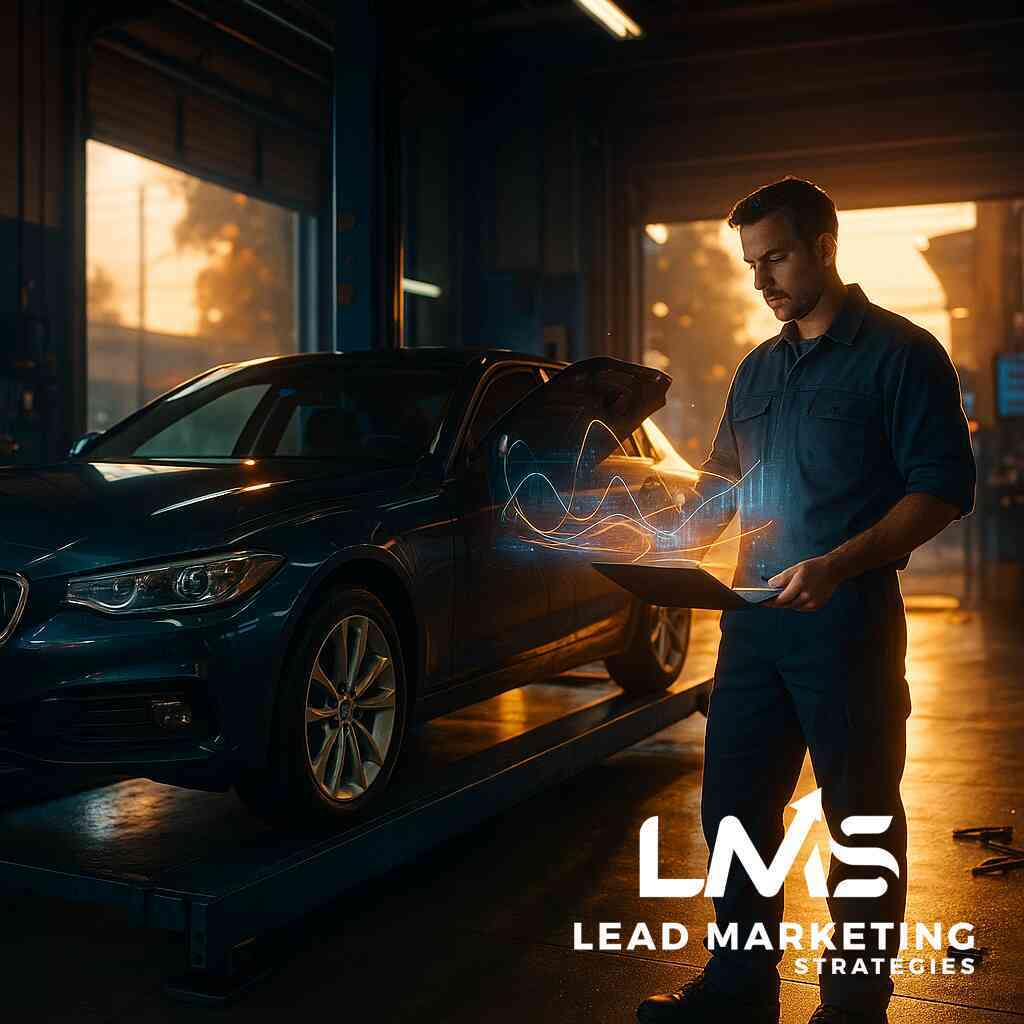
Auto Shop Marketing in 2025: A Practical Guide
Modern drivers check reviews, watch short videos, and compare coupons long before they roll into a service bay. Effective auto shop marketing now happens online first, and the shops that master it win the first appointment—and the repeat visit. This overview explains the key tactics that turn digital curiosity into loyal customers.
1. Map the Digital-First Customer Journey
The traditional word-of-mouth referral still matters, but it usually happens on a screen. Before a driver calls, they will often:
- Search “brake repair near me” on a phone.
- Skim star ratings and recent comments.
- Glance at service prices, hours, and photos.
- Look for an easy way to schedule or text a question.
Each step is a potential exit ramp. A strong marketing plan smooths the path by keeping information accurate, clear, and consistent across every touchpoint.
2. Earn Visibility with Automotive SEO
Search engines remain the main gateway to service research. Focus on three pillars:
Keyword clarity
- Group terms by intent—“oil change cost,” “check-engine light diagnosis,” “hybrid battery replacement.”
- Use natural language in headers and image alt text so both humans and crawlers understand the page.
Technical reliability
- Fast mobile load times (under three seconds) reduce bounces.
- Secure certificates and clean site architecture build trust with users and ranking algorithms alike.
Local authority
- Keep Google Business Profile details—name, address, phone—identical to website and directory listings.
- Encourage customers to mention specific services and the city in their reviews; those phrases reinforce local relevance.
3. Convert Interest with Useful Content
When a driver worries about a squealing belt, they want assurance, not jargon. Short, helpful resources position the shop as the problem-solver:
- 60-second explainer videos that show the difference between worn and healthy brake pads.
- Interactive maintenance schedules where visitors enter mileage to see recommended services.
- Downloadable checklists for “Road-trip readiness” or “Winter tire prep.”
Practical content builds trust and keeps visitors on the site long enough to book.
4. Strengthen Social Proof and Reputation
Reviews influence both ranking and conversion. A simple, repeatable process helps:
- Send a polite review request within 24 hours of service completion.
- Respond to every review—positive or negative—within two business days.
- Highlight standout feedback as quote graphics on social channels.
Consistent engagement shows prospective customers that the shop values accountability.
5. Use Paid Media Strategically
Organic tactics compound over time. Paid ads fill the gaps when immediate volume is needed or a new service launches.
- Search ads capture bottom-funnel intent; pair them with call-tracking numbers to see which keywords drive phone inquiries.
- Social ads excel at seasonal promotions—AC tune-ups before summer or battery checks before winter.
- Retargeting reminds recent site visitors about unfinished appointments without spamming cold audiences.
Budget allocation should follow data, not guesswork. Pause any campaign that fails to meet cost-per-acquisition targets within a reasonable test window.
6. Dominate the Map Pack with Local SEO Enhancements
Appearing in the “map pack” is often more valuable than a standard blue link. Prioritize:
- Category accuracy: choose the primary category that best reflects core services (e.g., “Auto repair shop”).
- Photo freshness: upload new shop, staff, and service images monthly. Google rewards active profiles.
- Q&A section: pre-load common questions such as “Do you work on EVs?” with concise answers.
These small tasks signal relevance and reliability to both Google and potential visitors.
7. Track the Metrics That Matter
Vanity metrics, like total page views, only tell part of the story. More meaningful indicators include:
- Booked appointments per unique visitor – reveals true conversion health.
- Average repair order (ARO) – higher ARO suggests cross-selling success and customer confidence.
- Customer lifetime value (CLV) – helps decide whether acquisition costs are justified.
- Review velocity and sentiment – measures brand perception in real time.
Dashboards that combine website analytics, call tracking, and point-of-sale data offer the clearest picture.
8. Refine Through Continuous Testing
Digital marketing is not a “set and forget” project. Test one variable at a time:
- Button colors on the booking form.
- Headline phrasing on the brake-service page.
- Offer types—percentage discount versus free inspection.
Even modest gains (a one-percent lift in conversion) can translate to significant annual revenue for high-traffic shops.
9. Foster Long-Term Loyalty
Acquiring a customer is only the first step. Maintain engagement with:
- Timely service reminders by email or SMS.
- Educational social posts that demystify new vehicle technologies.
- Membership programs that bundle routine services at a predictable monthly cost.
Steady, value-driven communication keeps competitors from poaching hard-won relationships.
Key Takeaways
- Modern auto shop marketing begins before a driver ever calls; SEO and reputation management dominate the early research phase.
- High-quality, helpful content turns anxious searchers into informed schedulers.
- Local optimization—accurate listings, fresh photos, quick review responses—puts the shop in the coveted map pack.
- Meaningful KPIs connect marketing spend to real service revenue, allowing confident budget decisions.
- Continuous testing and clear customer communication deepen loyalty and protect margins.
Focusing on these fundamentals transforms casual online browsing into steady bays, satisfied drivers, and repeat business throughout 2025 and beyond.
How Auto Shop Marketing Strategies Transform Auto Engagement


Comments
Post a Comment