AI-Driven Realtor PPC: Smarter Bidding & Local Targeting
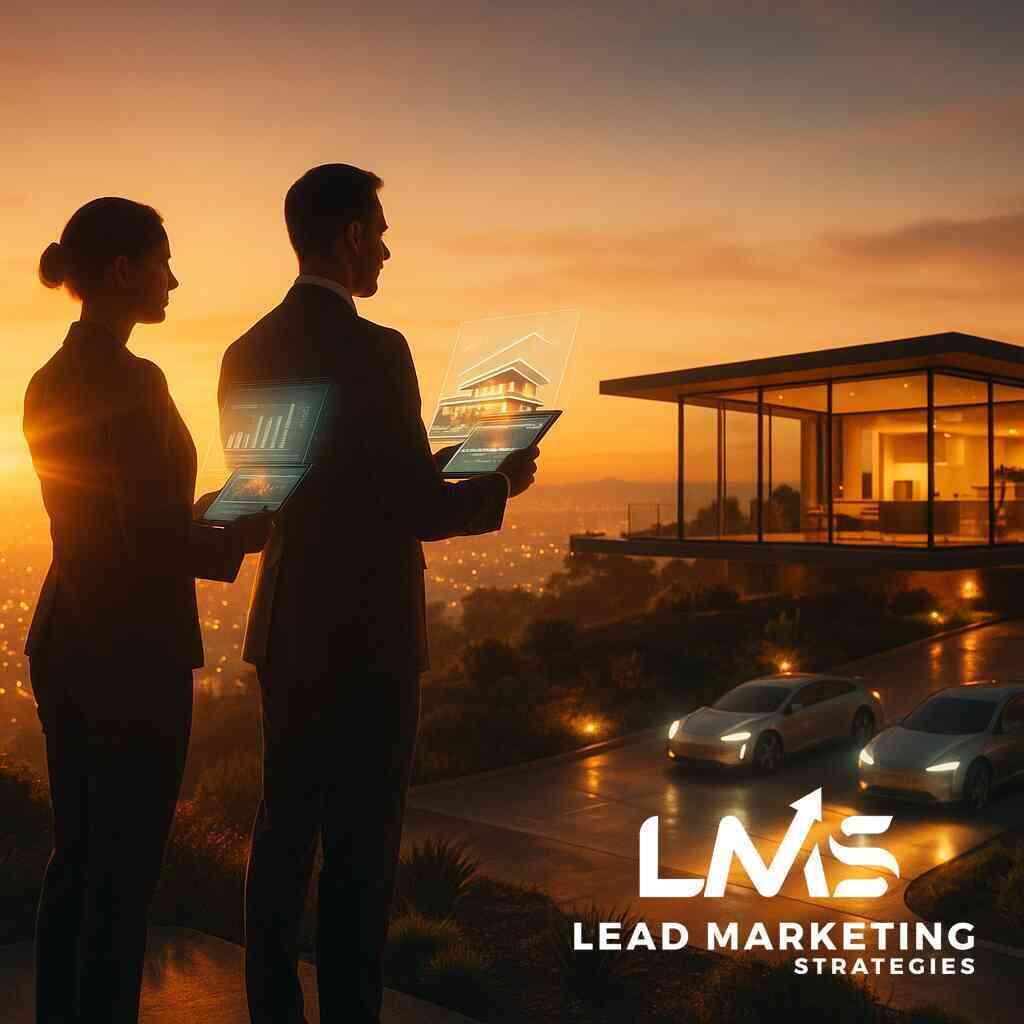
AI and the Next Generation of Realtor PPC
PPC remains one of the fastest ways to place a listing in front of active buyers or potential sellers. In 2025, artificial intelligence is fundamentally changing how those ads are bought, timed, and optimized.
Why AI Fits Realtor PPC So Well
Real-estate searches generate thousands of subtle intent signals: price bracket, preferred neighborhoods, school criteria, mortgage news, and even weather. A human analyst can spot only a fraction of them. An AI model can evaluate them all in milliseconds and adjust bids before the auction closes.
Key benefits
- Lower cost per click because bids rise only when intent is strong.
- Steadier lead flow as the algorithm fills slow periods automatically.
- A level playing field for boutique brokerages competing against national portals.
Predictive Bidding in Action
Modern bid engines no longer wait for historical click data. They map live indicators—mortgage-rate announcements, corporate relocation cycles, and day-of-week showing patterns—to forecast the likelihood that a search will convert. When that likelihood spikes, the engine increases the bid. When motivation cools, spend is throttled back.
The result is an always-on feedback loop:
- Impression occurs.
- AI scores the searcher’s intent.
- Bid is set in real time.
- Post-click behavior feeds back into the model.
Each loop refines the next bid, turning the campaign into a self-teaching asset.
Intelligent Ad Scheduling: Beyond Simple Day-Parting
Classic day-parting turns ads on during office hours and off overnight. That rigid approach ignores how buyers actually behave. Late-night tablet browsing often precedes Saturday showings. Shift workers may research properties at 3 a.m.
AI scheduling analyzes engagement in 15-minute blocks. It might discover:
- Condo searches peak during lunch breaks in urban cores.
- Waterfront homes see a surge after weather apps predict weekend sunshine.
- Empty-nest sellers browse listings after prime-time TV finishes.
Armed with those insights, the platform raises bids just before the spikes begin and lowers them the moment efficiency drops, stretching the same budget further.
Blending SEO and PPC Data
Organic and paid search tap the same pool of queries, yet they rarely share information. Connecting them unlocks compound gains.
Example workflow:
- An SEO dashboard detects a rising organic term such as “townhome near Greenlake.”
- The PPC engine imports the term as an exact-match keyword and applies a higher bid modifier.
- Quality Score improves because the landing page already performs well organically.
- Cost per click decreases while impression share climbs.
Natural-language processing helps the system group related phrases (“near Greenlake townhome,” “Greenlake townhouse”), ensuring ad copy mirrors the audience’s vocabulary.
Neighborhood Intelligence at Scale
Real-estate demand changes street by street. AI engines now ingest public and proprietary feeds—school ratings, restaurant openings, commute-time heat maps, crime trends—and overlay them on campaign geography.
Suppose a new light-rail stop is announced. The algorithm can:
- Expand the radius for “transit-friendly” keywords within minutes.
- Create a new ad group highlighting shorter commutes.
- Allocate additional budget before competing brokers react.
Micro-local relevance improves click-through rates and keeps spend away from low-probability zip codes.
Practical Checklist for 2025 Campaigns
To capture the full benefit of AI without losing strategic control, keep these practices in mind:
- Feed clean conversion data back into the ad platform—phone calls, form fills, virtual-tour views. The model is only as good as the signals you supply.
- Separate buyer and seller campaigns. Their intents, keywords, and lead values differ, so the algorithm should treat them separately.
- Set target cost-per-acquisition or return-on-ad-spend goals rather than manual bids. AI needs a clear objective.
- Review search-term reports weekly. The machine handles the heavy lifting, but a human eye can spot brand-safety issues or new content opportunities.
- Sync with your CRM. When a PPC lead converts to a closing, push that outcome back to the platform. Lifetime value data lets AI prioritize higher-quality prospects.
Key Takeaways
Artificial intelligence is no longer optional for competitive Realtor PPC. Predictive bidding, fine-grained scheduling, SEO integration, and neighborhood data modeling collectively:
- Cut wasted spend.
- Surface ads at the exact moment motivation peaks.
- Provide smaller agencies with enterprise-level optimization.
By embracing these tools now, brokerages position themselves for a marketplace where speed, relevance, and data depth define success.
Exploring AI's Role in Redefining Realtor PPC Strategies


You guys have the best digital marketing idea
ReplyDelete